What Is the Best Waterproof Work Boot?

Understanding Waterproof Work Boot Technology
Waterproof work boots protect your feet from moisture while you complete demanding tasks. These boots use specialized materials and construction methods to keep water out while allowing sweat to escape.
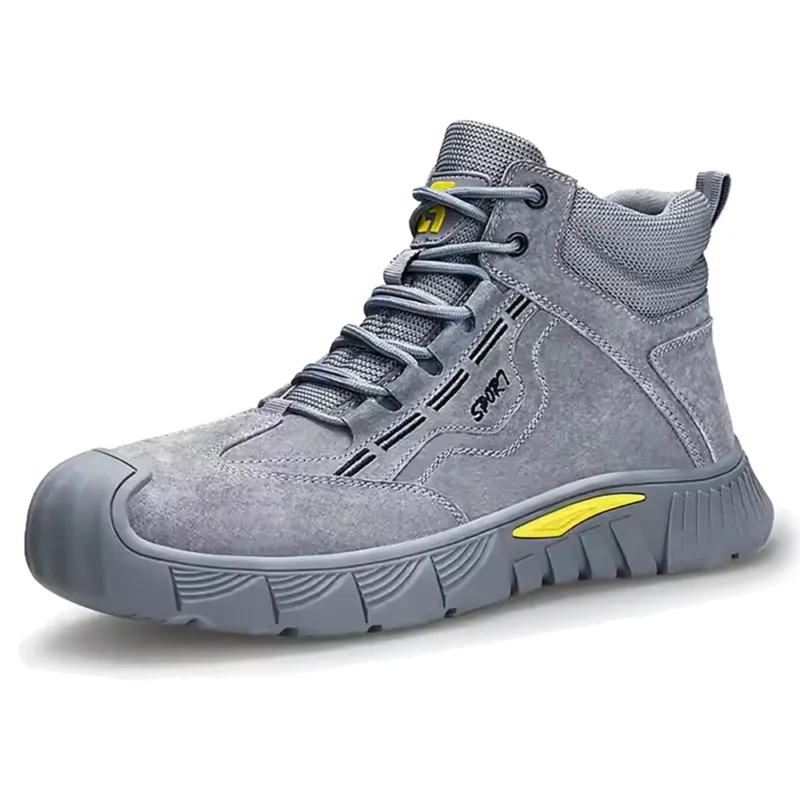
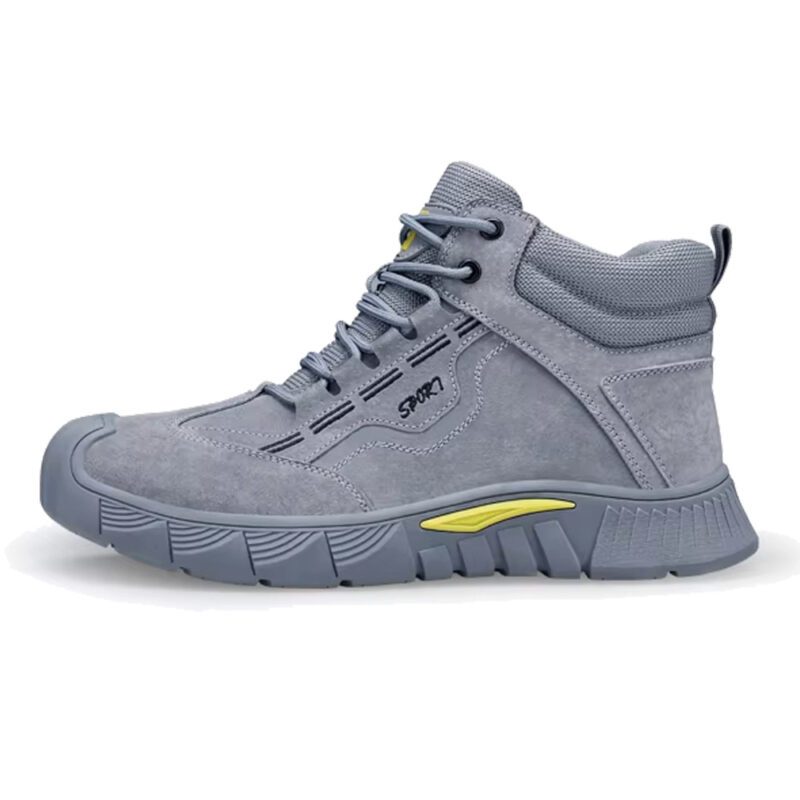
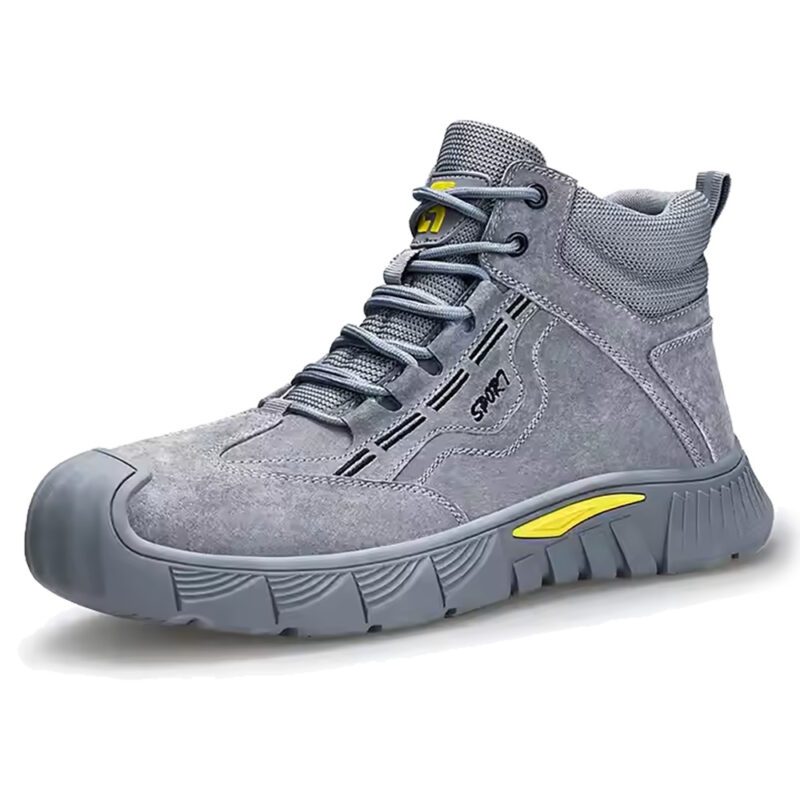
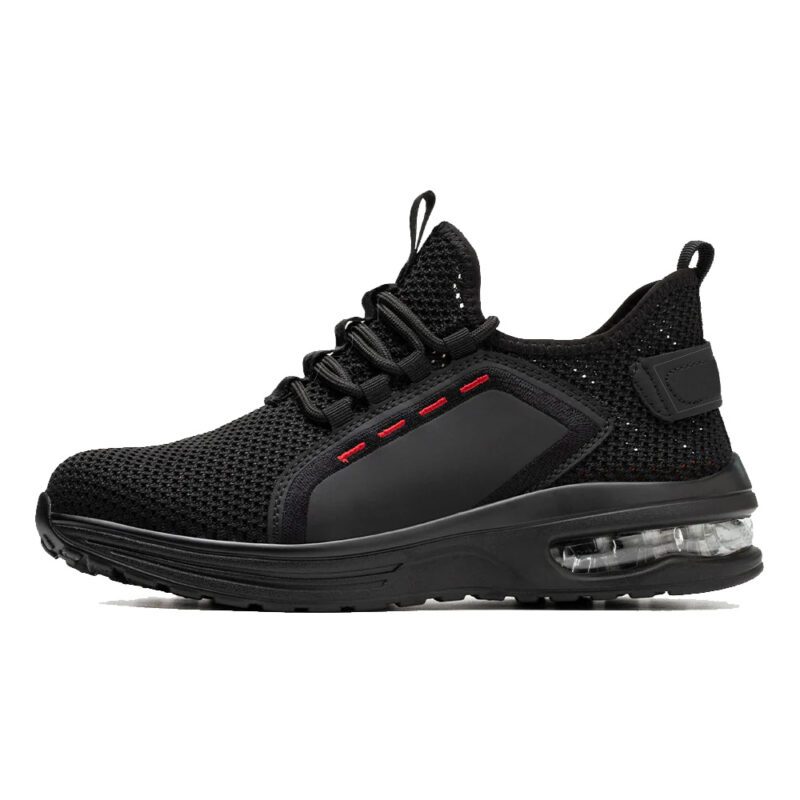
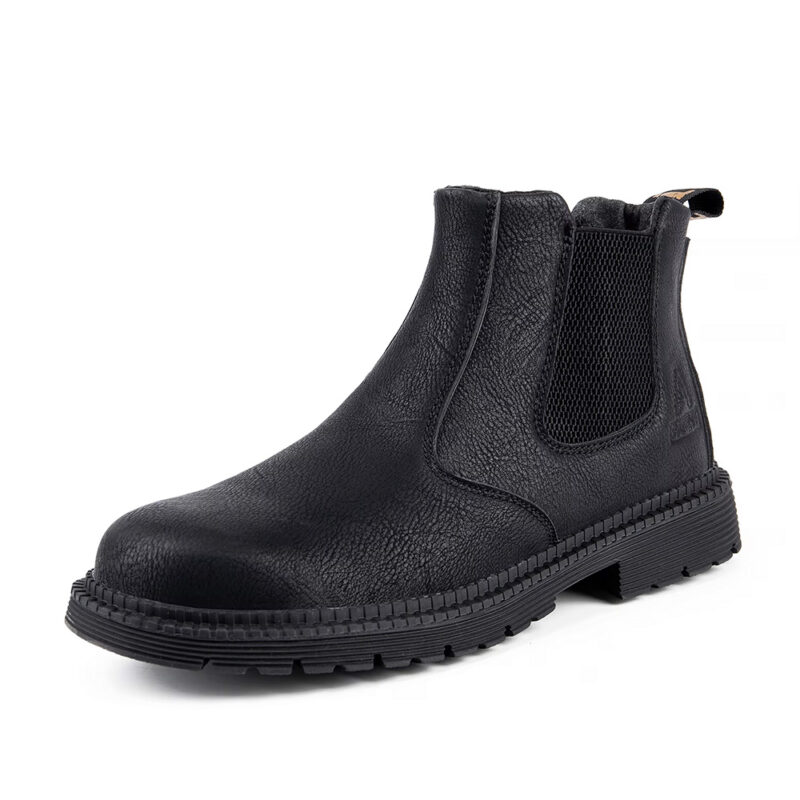
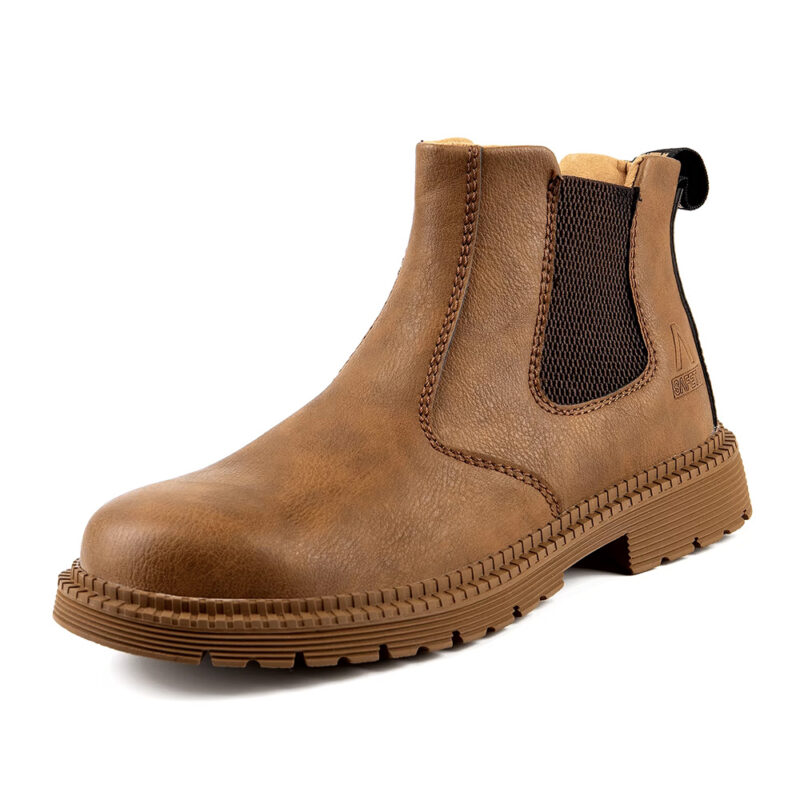
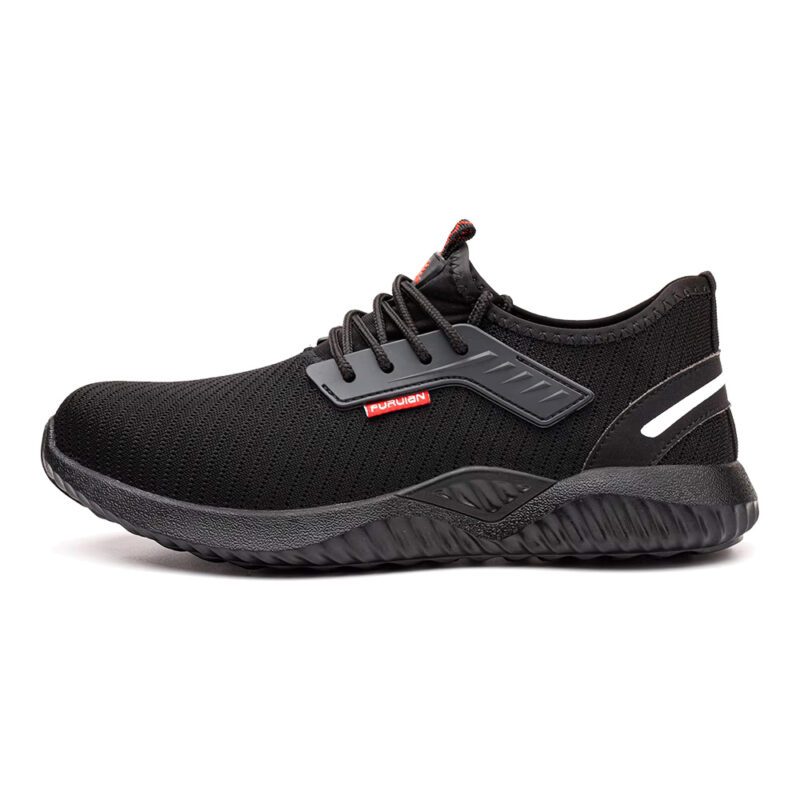
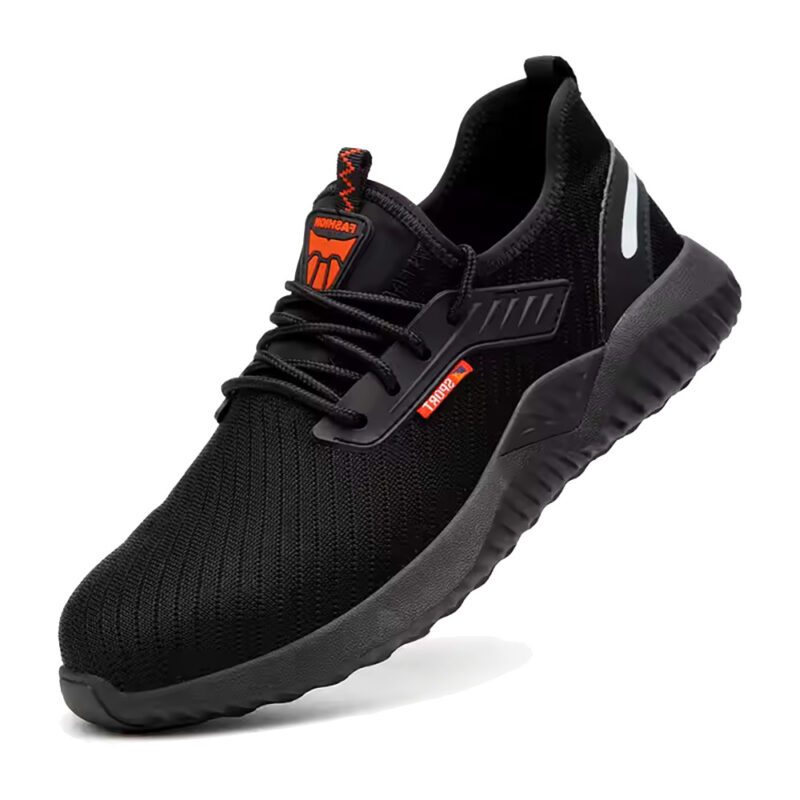
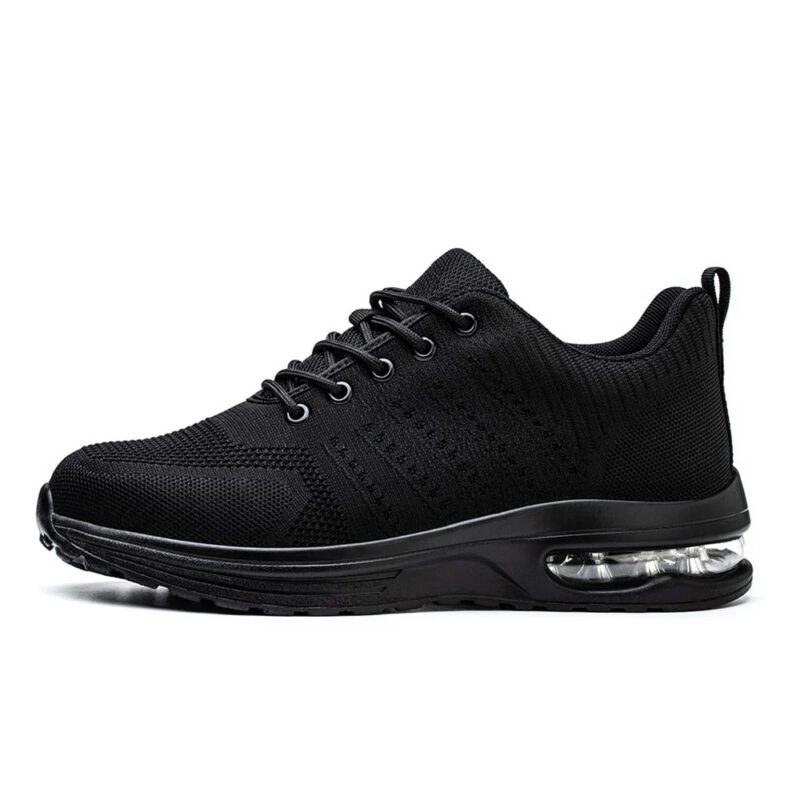
When your workday involves heavy machinery, falling objects, and unforgiving terrain, the Birks Defender Kevlar Steel Toe Safety Work Boots stand ready to protect you through it all. These boots deliver the exceptional durability, reliable protection, and all-day comfort you need to tackle any challenge and get the job done right, every single time.
The core technology relies on waterproof membranes like Gore-Tex, which sit between the boot’s outer layer and inner lining. These membranes contain millions of microscopic pores. Water droplets cannot penetrate these tiny openings, but water vapor from your feet can escape. This creates a breathable barrier that maintains dry conditions inside the boot.
Sealed seams represent another critical component. Manufacturers apply waterproof tape or sealant to every stitch line. Without this protection, needle holes become entry points for moisture. Premium boots feature fewer seams in high-exposure areas to reduce potential leak points.
The outer materials also determine waterproof performance. Full-grain leather naturally resists water when treated with oils and waxes. Synthetic materials like nylon or polyurethane offer built-in water resistance. Many boots combine both materials to balance durability and weight.
The Evolution of Waterproof Work Footwear
Early work boots from the 1800s used animal fat and beeswax to repel water. Workers applied these treatments regularly because they wore off quickly. The boots themselves were heavy leather constructions that took days to dry once saturated.
The 1950s brought vulcanized rubber technology to work boots. Manufacturers bonded rubber directly to leather uppers, creating the classic “duck boot” design. These boots worked well for wet conditions but trapped heat and moisture inside.
The 1970s introduced Gore-Tex membranes to the footwear industry. This breakthrough allowed boots to breathe while maintaining waterproof protection. Workers could wear these boots for full shifts without developing blisters from trapped sweat.
Modern boots incorporate nano-coatings and hydrophobic treatments applied at the molecular level. These advances create water resistance without adding weight or reducing flexibility. Current designs also feature moisture-wicking liners that pull sweat away from skin before it becomes uncomfortable.
Key Features That Define the Best Waterproof Work Boots
Waterproof Membrane Systems
Three main membrane types dominate the market:
- Gore-Tex: Offers guaranteed waterproof protection with excellent breathability. This membrane maintains effectiveness across temperature ranges from -40°F to 120°F.
- eVent: Provides superior breathability compared to Gore-Tex but costs more. This membrane works best for high-activity jobs.
- Proprietary membranes: Brands like Timberland and Keen develop their own systems. These typically cost less than Gore-Tex while delivering comparable performance.
Safety Toe Protection
Your work environment determines which toe protection you need:
- Steel toes: Provide maximum impact protection. These withstand compression forces up to 2,500 pounds and impacts up to 75 foot-pounds.
- Composite toes: Weigh 30% less than steel while meeting the same ASTM F2413 safety standards. These don’t conduct cold or heat.
- Aluminum toes: Split the difference between steel and composite in weight and thermal properties.
Sole Construction and Traction
The outsole material determines grip and durability:
- Rubber compounds: Last 6-12 months under heavy use. Softer rubber provides better traction on smooth surfaces.
- Polyurethane (PU): Resists oils and chemicals. This material lasts 2-3 times longer than rubber but offers less flexibility.
- Thermoplastic polyurethane (TPU): Combines the flexibility of rubber with the durability of PU. This premium option costs more but delivers the best overall performance.
Tread patterns must match your work surface. Deep lugs (8mm or deeper) work best on loose terrain. Shallow patterns (4-6mm) provide better stability on hard floors. Many boots feature slip-resistant ratings from independent testing labs like SATRA or ASTM.
Insulation Options
Waterproof boots trap heat more effectively than non-waterproof designs. You need to match insulation levels to your climate:
- Uninsulated (0g): Best for temperatures above 50°F or high-activity work
- Light insulation (200-400g): Suitable for 30°F to 50°F conditions
- Medium insulation (600-800g): Handles 0°F to 30°F temperatures
- Heavy insulation (1000g+): Required for extreme cold below 0°F
Thinsulate dominates the insulation market because it provides warmth without bulk. One inch of Thinsulate matches the warmth of two inches of down insulation.
Top Waterproof Work Boot Categories
Construction and Trades
Construction workers need boots that handle concrete, wood, and metal debris. The best options include:
- 8-inch height: Provides ankle support on uneven ground
- Puncture-resistant plates: Protects against nails and sharp objects
- Electrical hazard rating: Guards against open circuits up to 600 volts
- Weight: 3-4 pounds per pair for all-day comfort
Outdoor and Landscaping
Landscaping professionals face mud, standing water, and chemical exposure. Look for:
- Chemical-resistant materials: Protects against fertilizers and pesticides
- Aggressive tread: Maintains traction on wet grass and mud
- Quick-drying liners: Reduces downtime between wet exposures
- Removable insoles: Allows faster drying and custom orthotics
Food Service and Hospitality
Restaurant and kitchen workers need specialized features:
- Slip-resistant certification: ASTM F2913 ratings for wet and oily surfaces
- Low-profile design: Reduces trip hazards in tight spaces
- Easy-clean materials: Smooth surfaces that repel grease and food particles
- Cushioned midsoles: Reduces fatigue on hard floors
Industrial and Manufacturing
Factory workers require boots that meet OSHA standards:
- Metatarsal guards: Protects the upper foot from falling objects
- Static-dissipative soles: Prevents electrical discharge in sensitive environments
- Heat resistance: Withstands contact with hot surfaces up to 500°F
- Side zippers: Speeds up boot changes during shift transitions
Comparison of Leading Waterproof Work Boot Brands
| Brand | Price Range | Warranty | Best For | Waterproof System |
|---|---|---|---|---|
| Timberland Pro | $150-$220 | 30 days | Construction durability | Timberland PRO® membrane |
| Red Wing | $250-$350 | 1 year | Premium leather quality | Gore-Tex or Dry-Tec |
| Keen Utility | $140-$200 | 1 year | Comfort and flexibility | Keen.Dry membrane |
| Wolverine | $130-$180 | 30 days | Value and performance | Wolverine Waterproof |
| Carhartt | $120-$170 | 30 days | Cold weather work | Storm Defender® |
| Danner | $200-$300 | 1 year | Outdoor trades | Gore-Tex or Danner Dry |
When your workday involves heavy machinery, falling objects, and unforgiving terrain, the Birks Defender Kevlar Steel Toe Safety Work Boots stand ready to protect you through it all. These boots deliver the exceptional durability, reliable protection, and all-day comfort you need to tackle any challenge and get the job done right, every single time.
How to Select Your Ideal Waterproof Work Boot
Step 1: Identify Your Hazard Exposure
List every potential foot hazard you face daily. This includes:
- Heavy objects that could fall or roll
- Sharp materials on the ground
- Electrical equipment and wiring
- Chemicals or caustic substances
- Extreme temperatures
- Slippery surfaces
Match these hazards to safety ratings. ASTM F2413 covers impact and compression. ASTM F2892-18 addresses electrical hazards. ASTM F2413-18 includes puncture resistance standards.
Step 2: Measure Your Feet Properly
Most workers wear the wrong boot size. Follow this process:
- Measure both feet at the end of your workday when they’re largest
- Stand while measuring to account for weight distribution
- Measure length from heel to longest toe
- Measure width at the widest part of your forefoot
- Try boots with your work socks on
Boots should have 1/4 to 1/2 inch of space beyond your longest toe. Your heel should not slip more than 1/4 inch when walking.
Step 3: Test the Boot’s Fit Points
Quality boots fit correctly in five critical areas:
- Heel counter: Should cup your heel firmly without pinching
- Arch support: Must align with your foot’s natural arch
- Toe box: Needs enough height that toes don’t touch the top
- Ball girth: The widest part of the boot should match the widest part of your foot
- Instep: The tongue and laces should secure without excessive pressure
Walk around for 10-15 minutes before purchasing. Your foot should not slide forward or backward inside the boot.
Step 4: Verify Waterproof Claims
Check for these indicators of genuine waterproof construction:
- Named membrane system (Gore-Tex, eVent, etc.)
- Sealed or taped seams notation
- Water column rating of 10,000mm or higher
- Specific submersion test results
Avoid boots labeled “water-resistant” or “weather-resistant” for serious waterproof needs. These terms indicate surface treatments that wear off quickly.
Step 5: Calculate Total Cost of Ownership
Cheap boots that fail in three months cost more than quality boots lasting two years. Consider:
- Purchase price divided by expected lifespan in months
- Replacement insole costs ($20-$40 every 3-6 months)
- Waterproofing treatment expenses ($15-$25 every 2-3 months)
- Medical costs from poor support or safety failures
Premium boots typically cost $200-$300 but last 18-24 months. Budget boots cost $100-$150 but fail after 6-9 months. The premium option costs $11-14 per month versus $11-25 per month for budget options.
Maintaining Waterproof Work Boots
Daily Care
- Remove debris immediately after work with a stiff brush
- Wipe down leather with a damp cloth to prevent salt and chemical buildup
- Air dry boots at room temperature with tongues pulled out
- Alternate between two pairs to allow 24 hours of drying time
Weekly Maintenance
- Clean boots thoroughly with saddle soap or boot cleaner
- Apply leather conditioner to prevent cracking
- Inspect seams and stitching for damage
- Replace worn laces before they break
Monthly Treatment
- Apply waterproofing spray or wax treatment
- Condition leather with mink oil or specialty boot oil
- Check sole attachment points for separation
- Replace insoles if cushioning has compressed
Storage Guidelines
Store boots in a cool, dry location away from direct sunlight. Use boot trees or stuff with newspaper to maintain shape. Never store wet boots in plastic bags or sealed containers.
Signs You Need New Waterproof Work Boots
Replace your boots immediately if you notice:
- Water leaking through seams or membranes
- Sole separation of more than 1/4 inch
- Cracks in the leather deeper than surface level
- Worn toe protection showing the steel or composite layer
- Holes or tears in the upper material
- Outsole tread depth below 2mm
Safety toe damage requires immediate replacement regardless of cosmetic appearance. Even small cracks compromise impact protection.
Making Your Final Decision
The best waterproof work boot matches your specific job demands. Construction workers benefit from 8-inch leather boots with steel toes and 200g insulation. Restaurant workers need slip-resistant shoes with easy-clean surfaces. Landscapers require aggressive treads and chemical resistance.
Start with safety requirements mandated by your employer or OSHA regulations. Add comfort features based on your shift length and activity level. Select waterproof technology rated for your wettest working conditions.
Quality waterproof work boots cost $150-$300 but protect your feet for 18-24 months of heavy use. This investment prevents injuries, reduces fatigue, and maintains productivity across all weather conditions. Choose boots from manufacturers offering at least one-year warranties and documented waterproof testing results.
Your feet carry you through every workday. Give them the protection they deserve with properly fitted, genuinely waterproof work boots built for your trade.
When your workday involves heavy machinery, falling objects, and unforgiving terrain, the Birks Defender Kevlar Steel Toe Safety Work Boots stand ready to protect you through it all. These boots deliver the exceptional durability, reliable protection, and all-day comfort you need to tackle any challenge and get the job done right, every single time.