Shoes Comfortable Work

A Brief History of Work Footwear
Work shoes have changed dramatically over the past two centuries. Early industrial workers wore simple leather boots with no arch support or cushioning. Foot pain was considered a normal part of the job.
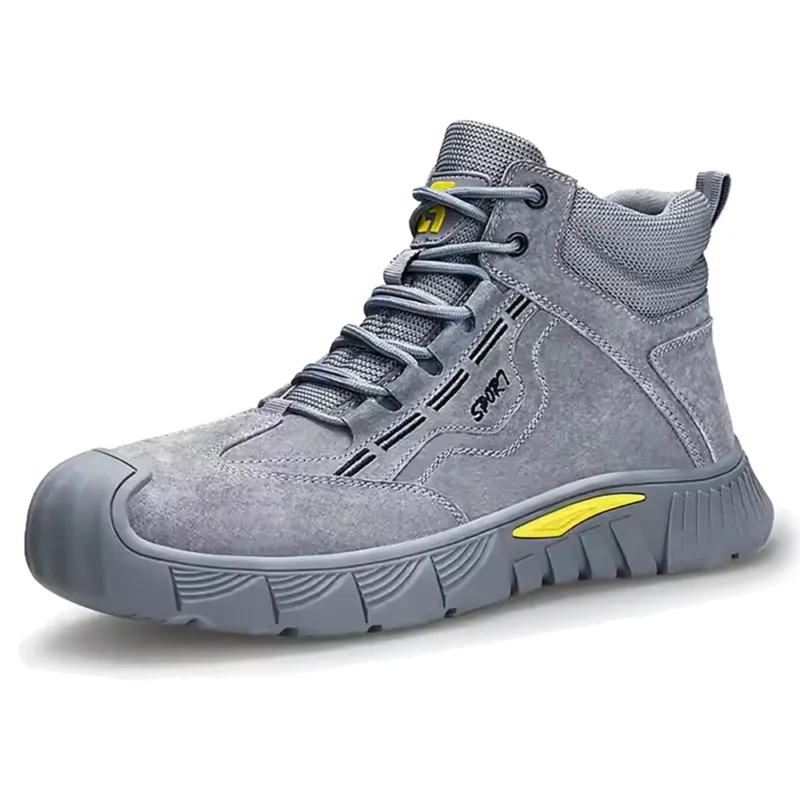
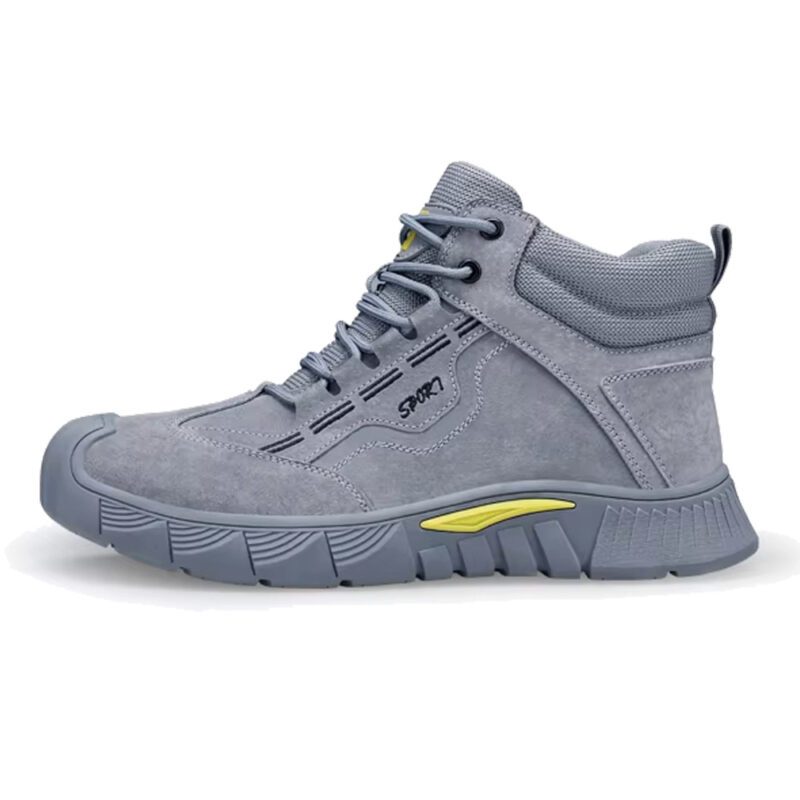
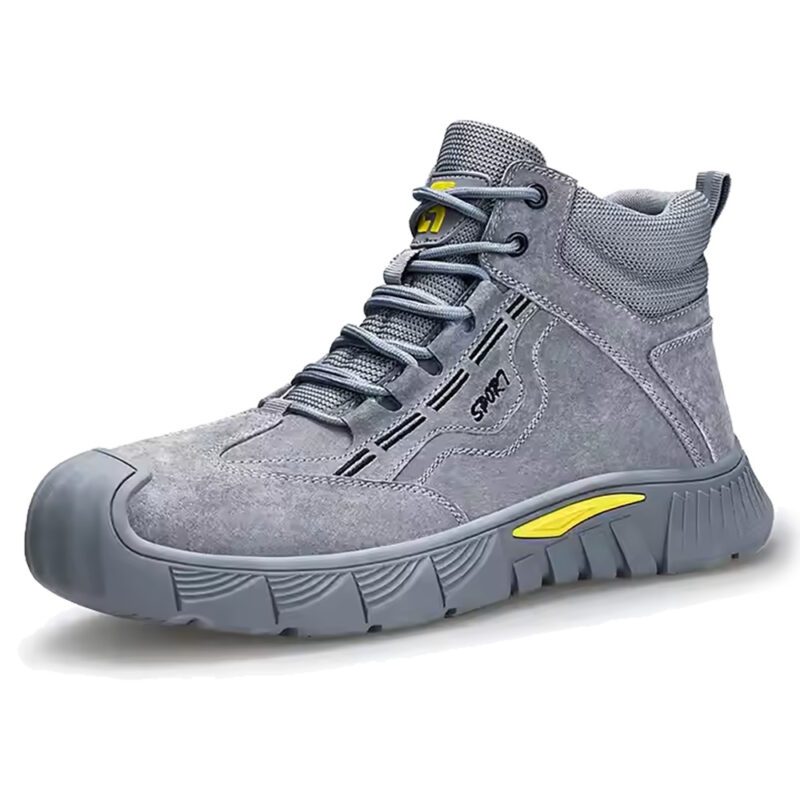
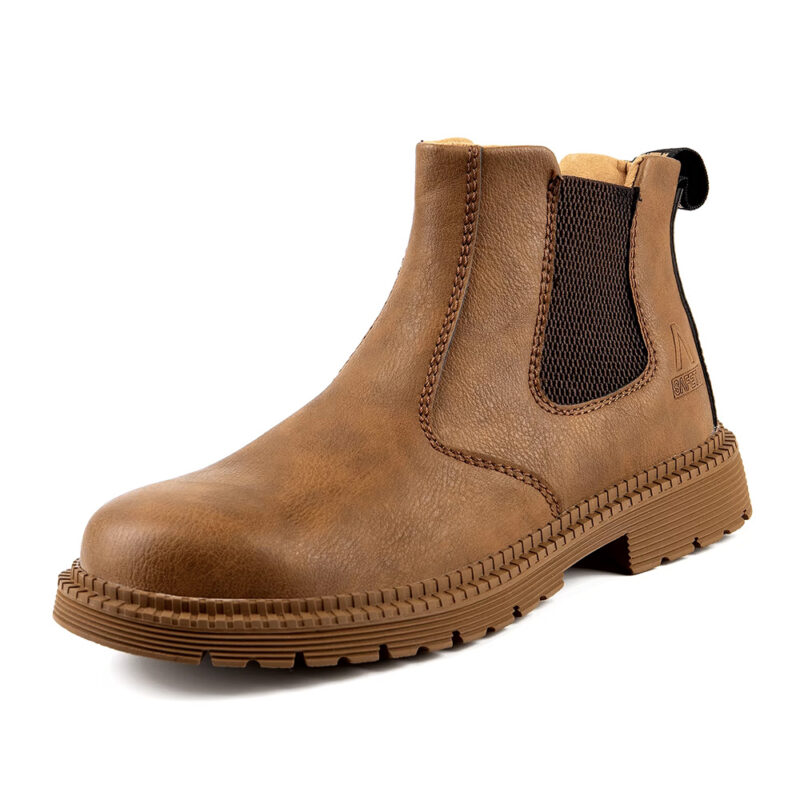
When your workday involves heavy machinery, falling objects, and unforgiving terrain, the Birks Defender Kevlar Steel Toe Safety Work Boots stand ready to protect you through it all. These boots deliver the exceptional durability, reliable protection, and all-day comfort you need to tackle any challenge and get the job done right, every single time.
In the late 1800s, manufacturers began adding thicker soles and reinforced toes to protect workers in factories and mines. By the mid-1900s, safety standards in North America and Europe pushed brands to develop steel-toed and slip-resistant designs.
The modern era of comfortable work shoes began in the 1970s and 1980s. Brands started borrowing technology from athletic footwear — EVA foam midsoles, contoured footbeds, and moisture-wicking linings moved from running shoes into the workplace. Today, the market includes options for every profession, from nurses to construction workers to office professionals.
Why Comfortable Work Shoes Matter
Standing or walking for eight or more hours places significant stress on the feet, ankles, knees, and lower back. Poor footwear accelerates this stress.
Research from podiatric studies consistently shows that inadequate footwear contributes to:
- Plantar fasciitis (heel and arch inflammation)
- Metatarsalgia (ball-of-foot pain)
- Knee and hip misalignment
- Chronic lower back pain
- Fatigue and reduced productivity
Choosing the right shoe is a direct investment in physical health and daily performance.
Key Technical Specifications to Understand
Before buying, understand what the labels and product descriptions actually mean. These are the terms that matter most.
Midsole and Cushioning
The midsole sits between the outsole and the insole. It absorbs impact energy with every step. Common midsole materials include:
- EVA (Ethylene Vinyl Acetate): Lightweight and soft. Excellent for low-impact environments like offices or retail floors.
- PU (Polyurethane): Denser and more durable than EVA. Holds its shape longer under heavy use.
- Memory foam: Conforms to the shape of the foot over time. Good for custom fit, but may lose responsiveness over months of use.
- Gel inserts: Reduce impact at the heel and forefoot. Often used in combination with EVA or PU.
Arch Support
Arch support prevents the foot from overpronating (rolling inward) or supinating (rolling outward). Shoes with built-in arch support maintain a neutral foot position throughout the workday.
Workers with flat feet need higher arch support. Workers with high arches need a more flexible, cushioned platform.
Outsole Grip and Material
The outsole is the bottom surface of the shoe. For most work environments, grip and durability are the top priorities.
- Rubber outsoles offer the best traction on wet and uneven surfaces.
- Thermoplastic rubber (TPR) provides grip and flexibility at a lower cost.
- Oil-resistant compounds are critical for restaurant, kitchen, and industrial environments.
Look for outsoles rated with slip-resistance certifications such as ASTM F2913 or EN ISO 20347.
Upper Materials
The upper is everything above the sole. It determines breathability, durability, and water resistance.
| Upper Material | Breathability | Durability | Water Resistance | Best For |
|---|---|---|---|---|
| Full-grain leather | Low | Very high | Moderate | Office, outdoor, formal |
| Nubuck leather | Low | High | Low | Office, casual work |
| Mesh/knit fabric | Very high | Low-moderate | Low | Healthcare, retail |
| Synthetic leather | Moderate | High | High | Food service, industrial |
| Waterproof membrane (e.g., GORE-TEX) | Moderate | High | Very high | Outdoor, construction |
Toe Box Width
The toe box is the front compartment of the shoe. A narrow toe box compresses the toes and restricts circulation. Over long shifts, this causes numbness, blisters, and conditions like bunions.
Always choose a toe box that allows the toes to spread naturally. A good fit means roughly one centimeter of space between the longest toe and the end of the shoe.
Safety Ratings
For hazardous work environments, safety-rated footwear is required. Key ratings include:
- Steel toe / composite toe: Protects against falling objects. Composite toe caps are lighter and do not conduct electricity.
- EH-rated (Electrical Hazard): Insulates against electrical shock up to specified voltages.
- PR (Puncture Resistant): Protects the sole from sharp objects like nails.
- SD (Static Dissipative): Reduces static buildup in sensitive environments.
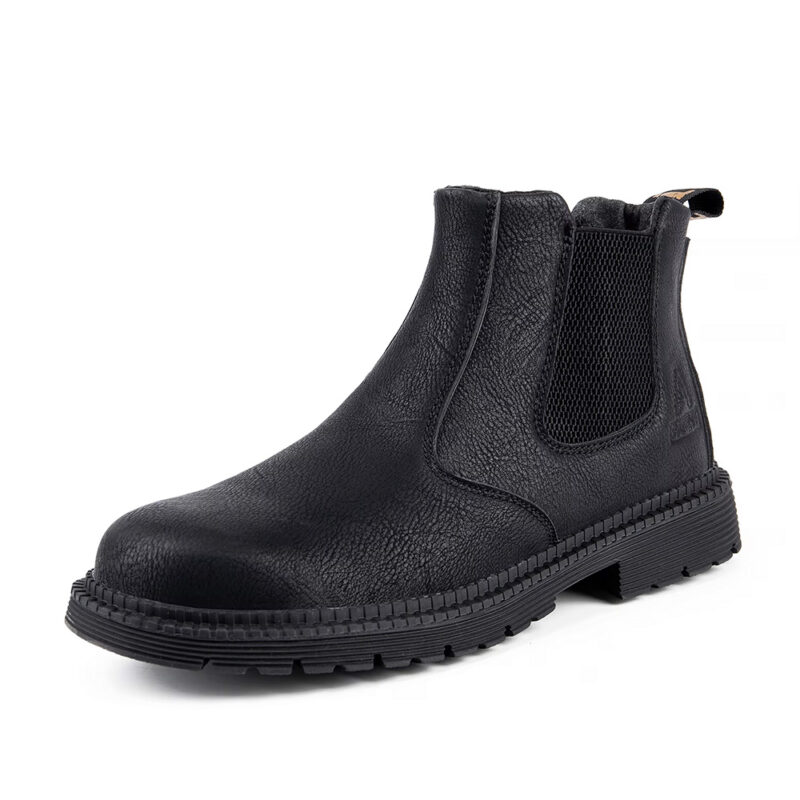
When your workday involves heavy machinery, falling objects, and unforgiving terrain, the Birks Defender Kevlar Steel Toe Safety Work Boots stand ready to protect you through it all. These boots deliver the exceptional durability, reliable protection, and all-day comfort you need to tackle any challenge and get the job done right, every single time.
Comfortable Work Shoes by Job Type
Different jobs demand different features. Here is a direct breakdown.
Healthcare and Nursing
Nurses and healthcare workers spend long shifts on hard floors, often in fast-moving environments. Priority features are lightweight construction, slip-resistant outsoles, and easy-to-clean uppers.
Clogs and athletic-style shoes with thick EVA midsoles are the most popular choices in this sector. Closed-toe designs protect against spills and dropped equipment.
Food Service and Restaurant Work
Kitchen floors are wet, greasy, and slippery. The single most important feature for this environment is a certified slip-resistant outsole. Water-resistant or waterproof uppers prevent damage from constant exposure to moisture.
Avoid shoes with mesh uppers in kitchen environments. Mesh absorbs liquids and is difficult to sanitize.
Office and Professional Settings
Office workers face a different challenge: prolonged sitting followed by periods of standing and walking. Blood circulation in the lower legs decreases during long periods of sitting, which makes comfort during walking phases especially important.
Dress shoes with cushioned insoles and low heels (under 2.5 cm for men, under 5 cm for women) support natural posture. Leather uppers with breathable linings prevent moisture buildup.
Construction and Trades
Construction environments demand maximum protection. Steel or composite toes, puncture-resistant midsoles, and ankle support are non-negotiable. High-cut boots provide ankle stability on uneven terrain.
Waterproofing is critical for outdoor work. Look for boots with sealed seams and waterproof membranes.
Retail and Warehouse
Retail workers stand on hard concrete or tile for entire shifts. Maximum cushioning and anti-fatigue properties are the top priorities. Anti-fatigue technology uses a firm yet energy-returning base that reduces leg fatigue over time.
Warehouse workers need slip resistance and, depending on the facility, steel or composite toe protection.
How to Identify a Well-Made Comfortable Work Shoe
Use this checklist when evaluating any option.
- The heel counter (the rigid back of the shoe) does not collapse when you press it.
- The shoe bends at the ball of the foot, not in the middle of the arch.
- The insole stays flat and does not bunch up.
- The outsole has a consistent tread pattern with no thin or worn areas.
- The upper stitching is uniform with no loose threads or gaps at the seams.
- The shoe does not feel tight anywhere across the foot immediately after putting it on.
Shoe Maintenance for Long-Term Comfort
A well-maintained work shoe lasts significantly longer and keeps its supportive properties. Follow these steps.
Daily care:
- Remove shoes and allow them to air out for at least 12 hours between shifts.
- Use a dry cloth to wipe off dirt and debris at the end of each day.
- Rotate between two pairs if possible. This allows each pair to fully dry and recover its cushioning.
Weekly care:
- Apply a leather conditioner to leather uppers. Dry leather cracks and loses its structural integrity.
- Clean mesh uppers with a mild soap and a soft brush. Rinse with cool water.
- Check the outsole for wear. Replace shoes when the tread wears flat in the heel or ball of the foot.
Insole replacement:
Even a high-quality shoe loses cushioning over time. The insole typically compresses before the outsole shows visible wear. Replace the insole every four to six months for workers who stand all day. Aftermarket insoles from brands specializing in orthotic support can extend the comfort life of a shoe significantly.
When to replace:
Most work shoes last six to twelve months under heavy daily use. Replace them when:
- The midsole no longer springs back after compression.
- The heel counter has collapsed.
- Pain returns after previously being comfortable in the shoe.
Comparison: Boot vs. Low-Cut Work Shoe
| Feature | Work Boot (High-Cut) | Low-Cut Work Shoe |
|---|---|---|
| Ankle support | High | Low |
| Weight | Heavier | Lighter |
| Breathability | Lower | Higher |
| Break-in period | Longer | Shorter |
| Best terrain | Uneven, outdoor | Flat, indoor |
| Flexibility | Lower | Higher |
| Style versatility | Limited | Higher |
Step-by-Step Selection Guide
Follow these steps to choose the right comfortable work shoe.
- Identify your work environment. List the floor surfaces, hazards, and physical demands of your job.
- Check safety requirements. Confirm whether your employer or industry mandates specific ratings (steel toe, EH, slip-resistant).
- Measure your feet. Feet change size over time. Measure both feet at the end of the day when they are at their largest. Fit to the larger foot.
- Assess your arch type. Wet your foot and step on paper to see your footprint. A full footprint indicates flat feet. A narrow connection between heel and forefoot indicates a high arch.
- Select the right upper material. Match the material to your environment — waterproof for wet conditions, breathable mesh for dry indoor environments.
- Prioritize midsole density. Choose lighter EVA for low-impact settings and denser PU for heavy-use environments.
- Try them on with work socks. Wear the same socks you use at work. Walk on a hard surface, not just carpet.
- Test the fit at the toe box. Press down at the tip of the shoe. You should feel space between your longest toe and the end.
- Check the return policy. Wear new work shoes at home for a short period before committing to a full shift. Return them if comfort issues emerge.
- Plan for insole upgrades. Budget for aftermarket orthotics if you have specific foot conditions or require additional arch support.
Summary
The right work shoe reduces pain, prevents injury, and improves daily performance. Key decisions center on midsole material, arch support, outsole grip, upper construction, and safety ratings appropriate to the work environment. Regular maintenance extends the life of any shoe significantly. By assessing the specific demands of your job and matching them to the technical specifications described above, you can find a work shoe that supports you through every shift.
When your workday involves heavy machinery, falling objects, and unforgiving terrain, the Birks Defender Kevlar Steel Toe Safety Work Boots stand ready to protect you through it all. These boots deliver the exceptional durability, reliable protection, and all-day comfort you need to tackle any challenge and get the job done right, every single time.