Wolverine Boots Steel Toe

A Brief History of Wolverine Footwear
Wolverine World Wide was founded in 1883 in Rockford, Michigan. The company built its reputation on durable, leather work boots for industrial laborers. By the early 20th century, Wolverine had earned a strong foothold in the American work boot market.
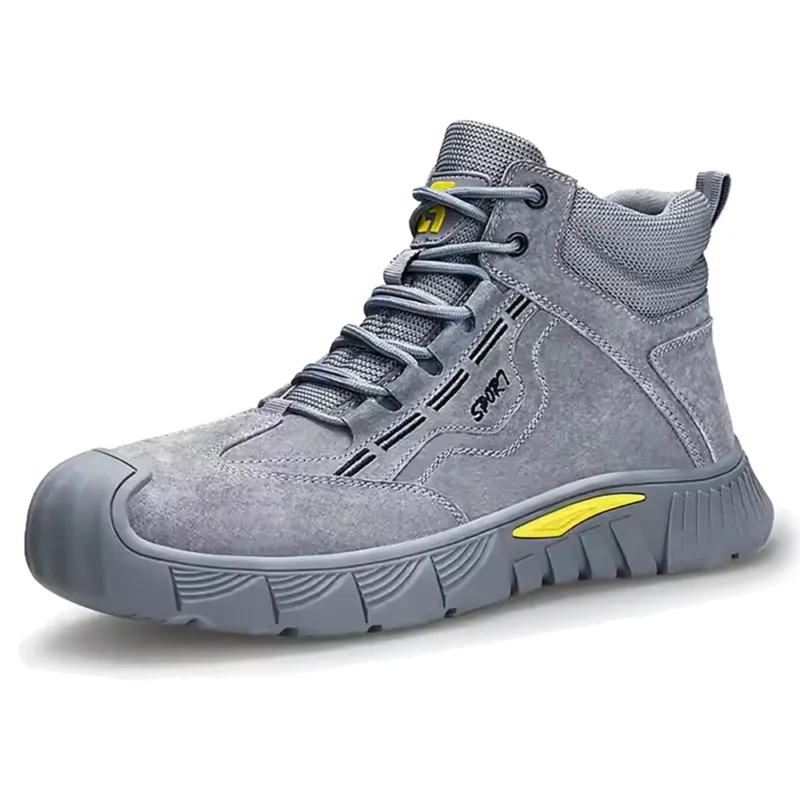
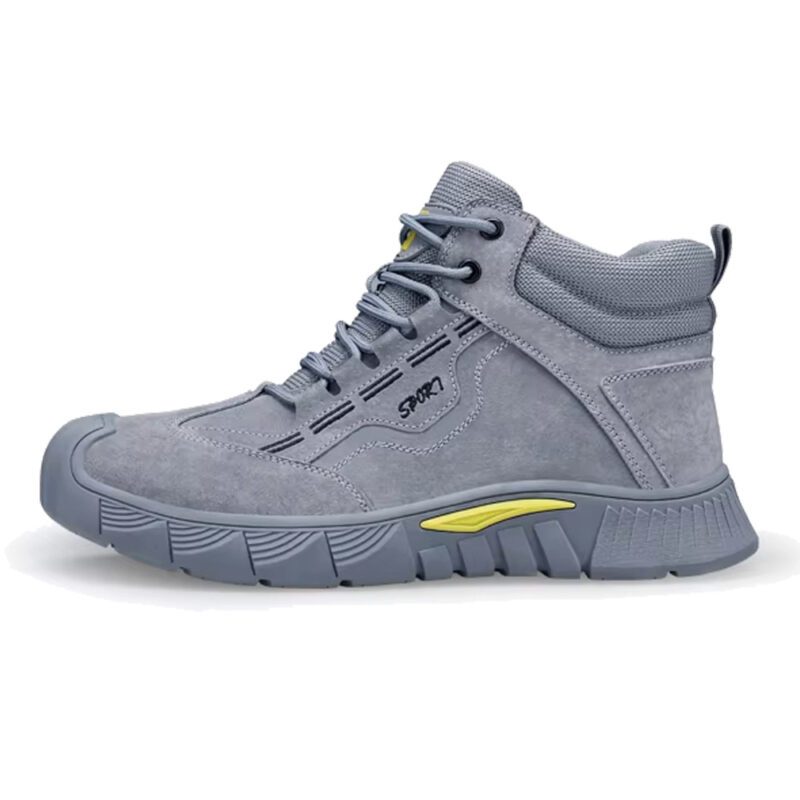
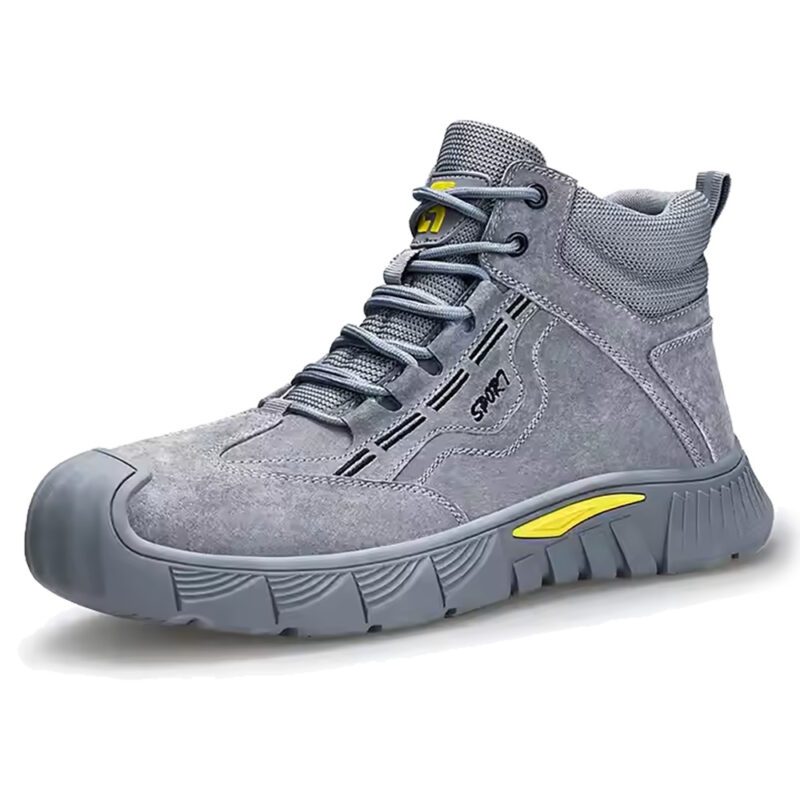
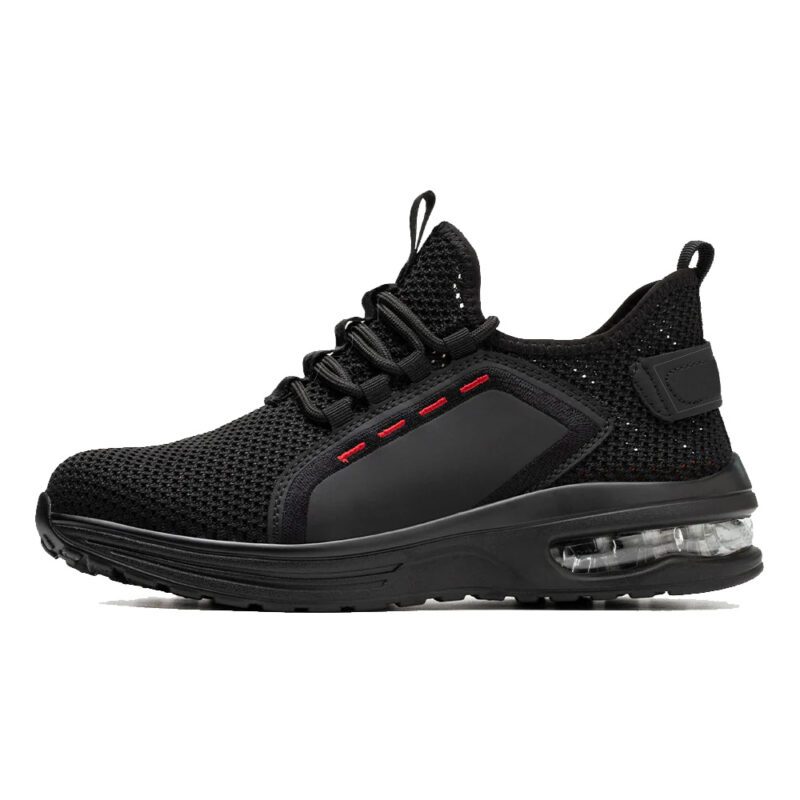
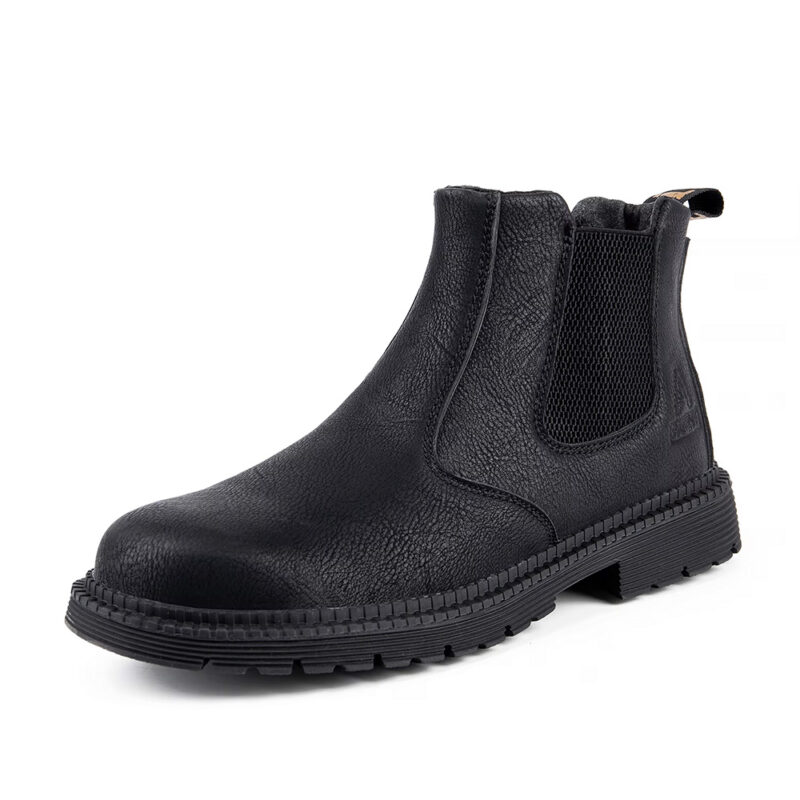
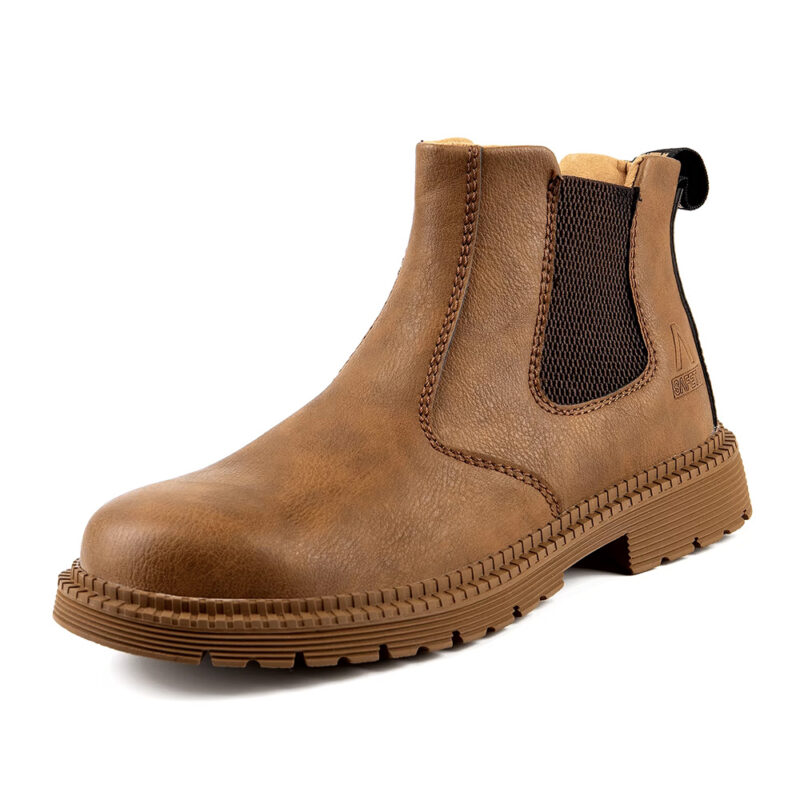
When your workday involves heavy machinery, falling objects, and unforgiving terrain, the Birks Defender Kevlar Steel Toe Safety Work Boots stand ready to protect you through it all. These boots deliver the exceptional durability, reliable protection, and all-day comfort you need to tackle any challenge and get the job done right, every single time.
The brand introduced the Wolverine 1000 Mile Boot in 1914. It became one of the most recognized work boots in U.S. history. Over the following decades, Wolverine expanded its line to include safety-rated footwear for construction, manufacturing, and heavy industry.
Wolverine adopted ASTM safety standards as they became formalized in the mid-20th century. The company integrated steel toe caps into its core product lines during the industrial boom of the post-World War II era. That decision locked Wolverine into the professional safety boot market permanently.
Today, Wolverine produces steel toe boots for electricians, construction workers, warehouse staff, oil and gas workers, and general laborers. The brand is distributed across North America and is a go-to choice for workers who need reliable foot protection.
What Makes a Steel Toe Boot Different
A steel toe cap is a reinforced shell built into the front of the boot. It protects the toes from falling objects, compression, and impact. Steel toe boots must meet specific safety standards before they can be sold as protective footwear.
In the United States, the primary standard is ASTM F2413. This standard defines performance requirements for impact resistance, compression resistance, and other protective properties. Boots carrying the ASTM F2413 label have been tested and certified.
Steel toe caps offer stronger protection than composite toe caps, which use materials like carbon fiber or fiberglass. Steel does not compress under extreme loads the way composite materials can. However, steel conducts temperature, which can be a drawback in very cold or very hot environments.
Alloy toe caps fall between steel and composite. They use lightweight metals like titanium or aluminum. They are lighter than steel but heavier than composite. They also conduct temperature like steel.
Wolverine produces all three types, but steel toe remains the most widely sold.
Wolverine Steel Toe Boot Lines
Wolverine produces several steel toe lines. Each targets a different worker profile.
Wolverine Overpass Steel Toe
The Overpass is one of Wolverine’s most popular lines. It features a carbonMAX steel toe cap, which is lighter than traditional steel but still meets ASTM F2413 standards. The outsole uses a slip-resistant rubber compound rated for wet surfaces. The upper is made from full-grain leather with a waterproof membrane on select models.
Key specs:
- ASTM F2413 rated (Impact/Compression I/75 C/75)
- Electrical hazard (EH) protection
- Cement construction
- Available in 6-inch and 8-inch shaft heights
Wolverine Loader Steel Toe
The Loader is a budget-friendly option within the Wolverine lineup. It targets workers who need basic ASTM protection without premium features. The upper is leather, the construction is cement, and the midsole uses EVA foam for cushioning. It lacks a waterproof membrane but is available with a slip-resistant outsole.
Wolverine Floorhand Steel Toe
The Floorhand was built for oil field and industrial workers. It features a Vibram outsole for exceptional traction on uneven surfaces and a full-grain leather upper with waterproofing. The boot meets both ASTM F2413 and ASTM F2892 standards. It is also rated EH and includes a puncture-resistant plate in the midsole.
Key specs:
- ASTM F2413 and F2892 compliant
- Vibram rubber outsole
- Puncture resistance (PR) rated
- EH rated
- 8-inch shaft
Wolverine Rancher Steel Toe
The Rancher blends work boot durability with western styling. It uses a steel toe cap, a Goodyear welt construction, and a leather upper with moisture-wicking lining. Workers who spend long hours outdoors or on uneven terrain often prefer this model.
Comparison Table: Wolverine Steel Toe Models
| Model | Construction | Waterproof | EH Rated | Puncture Resistant | Outsole | Price Range |
|---|---|---|---|---|---|---|
| Overpass | Cement | Yes (select) | Yes | No | Slip-resistant rubber | $130–$160 |
| Loader | Cement | No | No | No | Slip-resistant rubber | $90–$120 |
| Floorhand | Cement | Yes | Yes | Yes | Vibram | $170–$200 |
| Rancher | Goodyear Welt | No | No | No | Leather/rubber heel | $150–$180 |
Prices reflect typical retail ranges and may vary by retailer.
Key Technical Specifications to Know
Before buying any steel toe boot, understand the following ratings.
ASTM F2413-18 I/75 C/75 is the standard impact and compression rating. It means the toe cap withstands 75 foot-pounds of impact force and 2,500 pounds of compression. Most Wolverine steel toe boots carry this rating.
EH (Electrical Hazard) protection means the outsole and heel resist electrical shock up to 18,000 volts in dry conditions. This rating matters for electricians and workers on live electrical sites.
PR (Puncture Resistant) means the midsole resists penetration from sharp objects like nails. Workers on construction sites or demolition zones need this feature.
SD (Static Dissipative) means the boot reduces static electricity buildup. Workers handling electronics or flammable materials benefit from this rating.
WP (Waterproof) means the boot has a waterproof membrane, typically Gore-Tex or a proprietary equivalent. Wolverine uses its own waterproof membranes in several models.
When your workday involves heavy machinery, falling objects, and unforgiving terrain, the Birks Defender Kevlar Steel Toe Safety Work Boots stand ready to protect you through it all. These boots deliver the exceptional durability, reliable protection, and all-day comfort you need to tackle any challenge and get the job done right, every single time.
How to Select the Right Wolverine Steel Toe Boot
Choosing the right boot depends on your work environment and physical demands.
- Identify your hazard profile. List the specific risks at your worksite. Falling objects, wet floors, electrical sources, and sharp debris each point to different protective ratings.
- Check your employer’s requirements. Many employers specify minimum ASTM ratings or require EH-rated boots. Confirm before purchasing.
- Choose your construction type. Cement construction boots are lighter and more flexible but harder to resole. Goodyear welt boots are heavier but can be resoled, extending the boot’s life significantly.
- Select your shaft height. A 6-inch boot offers ankle support and is easier to put on. An 8-inch boot provides more ankle and lower leg protection. Workers on rough terrain or in environments with debris typically choose 8-inch boots.
- Assess fit carefully. Steel toe boots require a proper fit. The toe cap must not press against your toes. Allow a half-inch of space between your longest toe and the interior of the cap. Try boots on at the end of the day when feet are slightly swollen.
- Check the outsole rating. A slip-resistant outsole is essential for workers on wet or oily surfaces. Look for boots tested to ASTM F2913 for slip resistance.
Breaking In Wolverine Steel Toe Boots
Wolverine boots are made with full-grain leather on most models. Full-grain leather is dense and requires a break-in period. New boots can cause blisters if worn for full shifts immediately.
Follow these steps to break in new boots:
- Wear the boots for two to three hours on the first day.
- Increase wear time by one hour each day over the first week.
- Apply a leather conditioner before the first wear. This softens the leather and reduces friction.
- Wear thick, moisture-wicking wool socks during the break-in period.
- Do not soak the boots or use heat to speed the process. Both damage leather and reduce boot life.
Maintaining Wolverine Steel Toe Boots
Proper maintenance extends the life of a work boot significantly. A well-maintained Wolverine boot can last three to five years in demanding environments.
Daily maintenance:
- Remove loose dirt and debris with a stiff brush after each shift.
- Wipe the upper with a damp cloth if wet or muddy.
- Allow boots to dry at room temperature. Do not use a heater or dryer.
Weekly maintenance:
- Apply a leather conditioner or boot cream to the upper. Use products compatible with full-grain leather.
- Inspect the outsole for wear. Uneven wear patterns may indicate gait issues or a need for insoles.
- Check the welt stitching on Goodyear welt models. Frayed stitching indicates the boot needs professional resoling.
Monthly maintenance:
- Apply a waterproofing spray or wax to the upper and seams.
- Check the steel toe cap area for cracking or separation from the upper.
- Inspect the insole for compression. A flattened insole reduces cushioning and increases fatigue.
When to Replace Your Steel Toe Boots
Safety footwear has a service life. Even boots that look intact may no longer provide adequate protection.
Replace your Wolverine steel toe boots when:
- The outsole is worn flat or shows more than 50% tread loss in the heel area.
- The upper has deep cracks that reach the inner lining.
- The welt stitching has separated along more than one inch of the seam.
- The boot causes pain or discomfort that was not present when the boot was new.
- The steel toe cap has been struck by a heavy impact. A cap that has absorbed an impact event may be deformed internally even if the exterior looks intact.
Most safety boot manufacturers recommend replacement every 12 months for workers in heavy-duty environments and every 18 to 24 months for light industrial use.
Summary: Steps to Choose the Right Wolverine Steel Toe Boot
- Identify your worksite hazards (impact, compression, electrical, puncture, slip).
- Check your employer’s required safety ratings.
- Select a model that meets or exceeds those ratings.
- Choose cement or Goodyear welt construction based on your budget and preference for resoling.
- Pick 6-inch or 8-inch shaft height based on ankle support needs.
- Try boots on at end of day and confirm a half-inch toe gap from the steel cap.
- Break in the boots gradually over the first week.
- Follow a daily, weekly, and monthly maintenance routine.
- Replace boots when tread, structure, or fit is compromised.
Wolverine steel toe boots are a solid investment for any worker who faces physical hazards on the job. The brand’s century-long history in safety footwear, combined with ASTM-certified construction and a range of specialized models, makes it a dependable choice across industries.
When your workday involves heavy machinery, falling objects, and unforgiving terrain, the Birks Defender Kevlar Steel Toe Safety Work Boots stand ready to protect you through it all. These boots deliver the exceptional durability, reliable protection, and all-day comfort you need to tackle any challenge and get the job done right, every single time.