Best Work Boots for Women

A Brief History of Women’s Work Boots
Work boots were built for men. That was the assumption for most of the 20th century. Women who worked in construction, agriculture, logging, and manufacturing wore men’s boots that were too wide, too heavy, and too long. Comfort was an afterthought. Safety was a compromise.
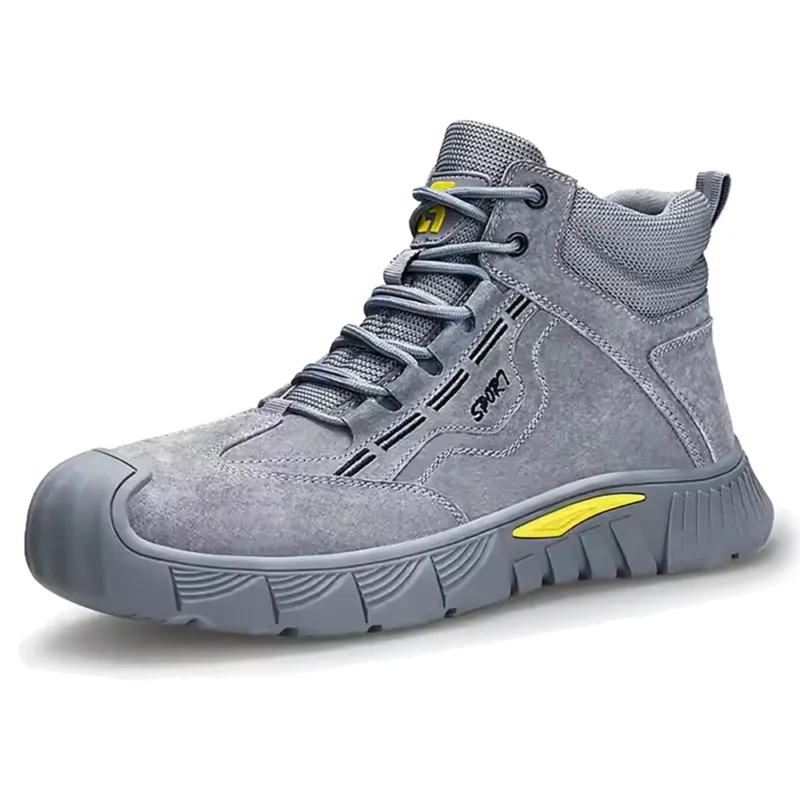
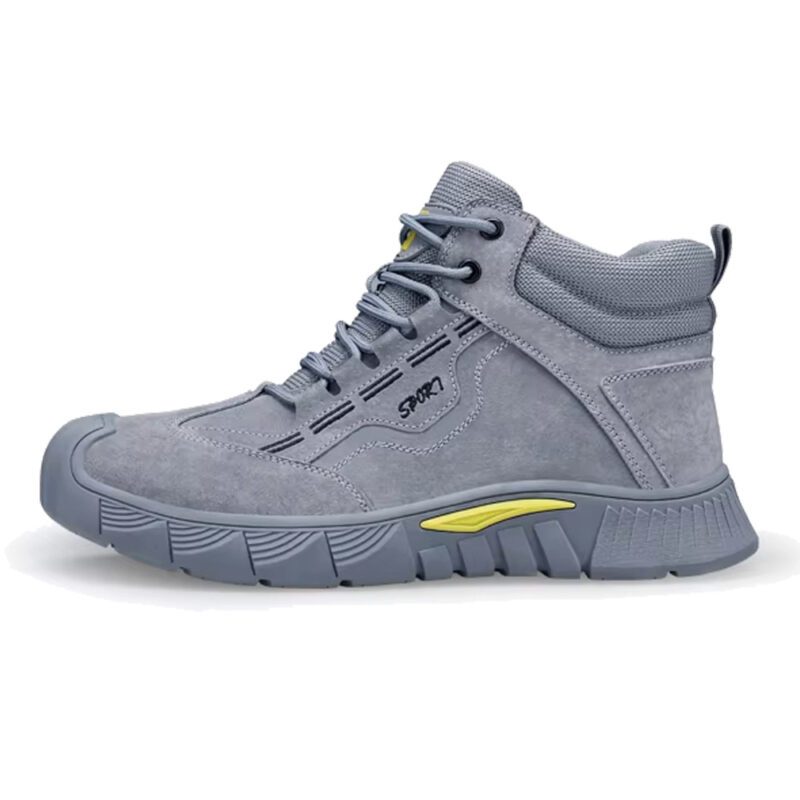
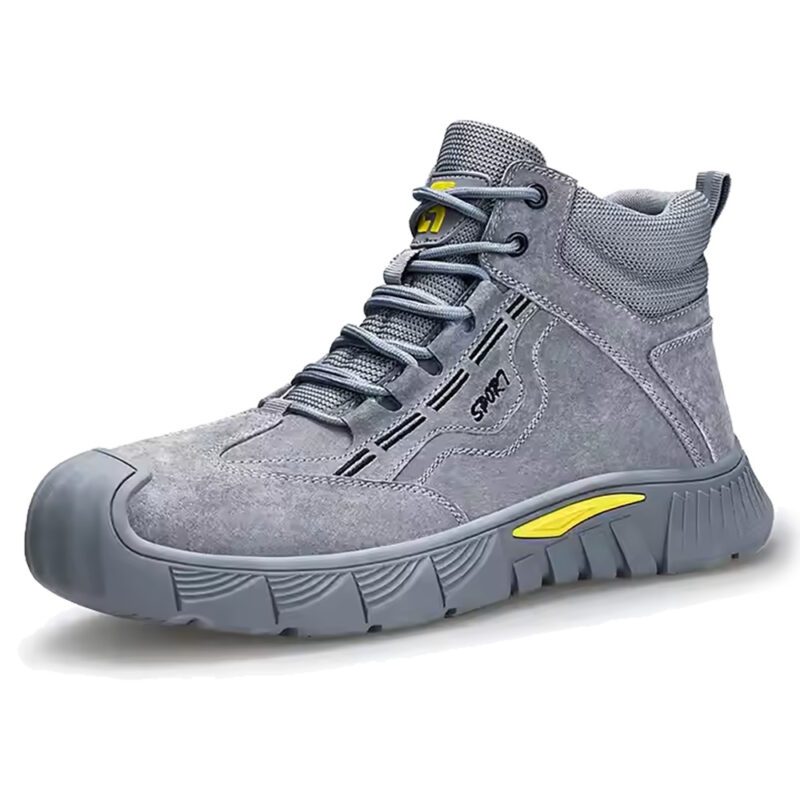
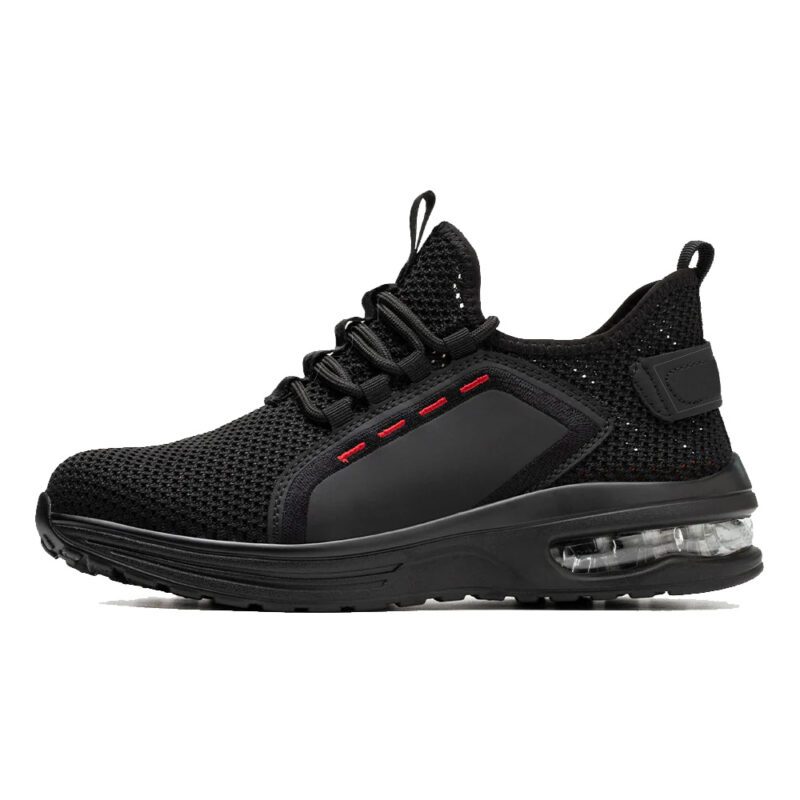
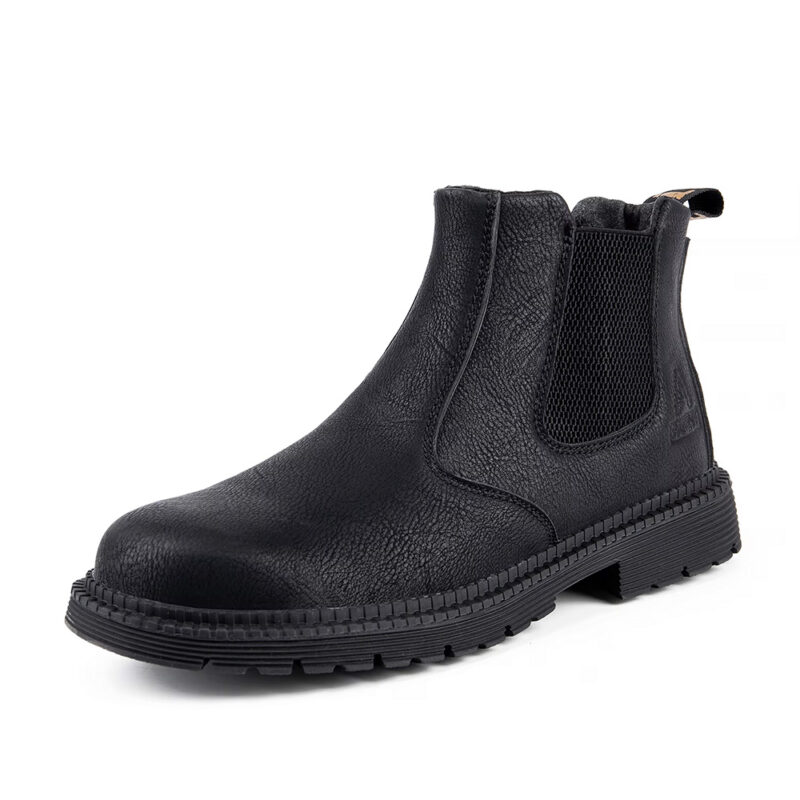
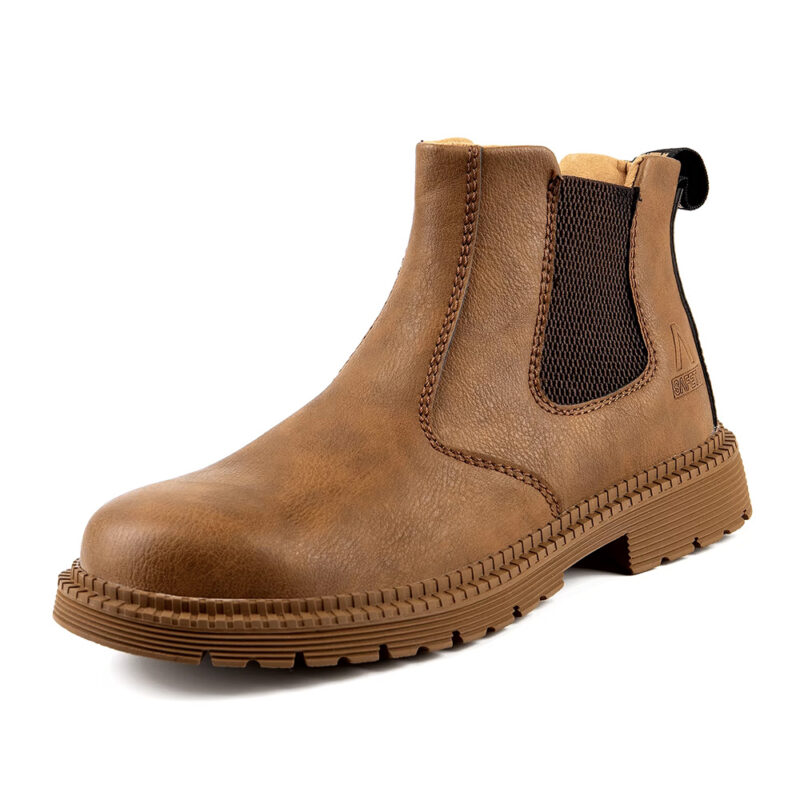
When your workday involves heavy machinery, falling objects, and unforgiving terrain, the Birks Defender Kevlar Steel Toe Safety Work Boots stand ready to protect you through it all. These boots deliver the exceptional durability, reliable protection, and all-day comfort you need to tackle any challenge and get the job done right, every single time.
The shift began in the 1970s and 1980s. Labor rights expanded. Women entered industrial trades in larger numbers. Boot manufacturers recognized the demand and began producing footwear sized and shaped for women’s feet. The anatomy of a woman’s foot — a narrower heel, a higher arch, and a wider forefoot relative to heel — required different lasts (the molds used to shape boots).
By the 1990s, brands like Timberland PRO, Wolverine, and Georgia Boot released dedicated women’s lines. Today, the women’s work boot market is a serious category with strict safety ratings, advanced materials, and ergonomic design specific to female anatomy.
Why Women Need Work Boots Built for Women
A man’s boot does not fit a woman’s foot correctly. The mechanics are different, and the consequences are real.
Women’s feet have:
- A narrower heel-to-ball ratio
- A higher arch on average
- A wider toe box relative to heel width
- Less total foot volume
Wearing a men’s boot creates heel slippage, arch strain, and toe box compression. Over an eight-hour shift, these issues cause blisters, plantar fasciitis, and ankle fatigue. A boot built on a women’s last eliminates these problems by distributing weight correctly across the foot.
Fit is a safety issue. A loose boot reduces ankle support and increases the risk of a rolled ankle. A too-tight boot impairs circulation and slows reaction time.
Key Technical Specifications to Understand
Before buying, understand what the technical labels mean. They determine whether a boot qualifies for your specific job site.
Safety Toe Types
| Toe Type | Material | Weight | Protection Level | Best For |
|---|---|---|---|---|
| Steel Toe | Steel | Heaviest | ASTM F2413 I/75 C/75 | Heavy industrial, construction |
| Composite Toe | Carbon fiber, Kevlar, or plastic | Light | ASTM F2413 I/75 C/75 | Airport security, cold climates |
| Alloy Toe | Aluminum or titanium alloy | Medium | ASTM F2413 I/75 C/75 | General trades |
| Soft Toe | None | Lightest | No impact protection | Light-duty, landscaping |
ASTM F2413 is the American standard for protective footwear. Look for this certification on any boot used in a regulated work environment. It covers impact resistance (I/75), compression resistance (C/75), metatarsal protection (Mt), and electrical hazard (EH) ratings.
Midsole and Outsole Materials
Polyurethane (PU) midsoles offer firm support and resist compression over time. They are heavier but durable.
EVA (ethylene-vinyl acetate) midsoles are lighter and more cushioned but compress faster under heavy daily use.
Rubber outsoles provide the best slip resistance and are oil-resistant. Look for a SRC rating (slip resistance on ceramic tile with sodium lauryl sulfate and glycerin) for wet environments.
TPU (thermoplastic polyurethane) outsoles handle abrasion well and last longer than standard rubber in dry, rough terrain.
Upper Materials
Full-grain leather is the standard for durability. It resists abrasion, molds to your foot over time, and handles water with proper conditioning. It requires break-in time.
Nubuck leather is sanded full-grain leather. It is softer from day one but more susceptible to staining.
Synthetic uppers (nylon mesh, ballistic nylon) are lighter and often waterproof from the factory. They do not require break-in and resist mold. They wear out faster than leather under harsh conditions.
Waterproof membranes such as Gore-Tex or proprietary liners add a breathable, waterproof barrier between the upper and the lining. They keep water out but also trap heat. Evaluate whether your work environment demands waterproofing or ventilation first.
Best Categories of Work Boots for Women
Best for Construction and Heavy Industry
Look for boots with:
- Steel or alloy safety toe (ASTM F2413 certified)
- Full-grain leather upper
- Rubber outsole with deep lug pattern
- Shank plate (fiberglass or steel) for arch support on uneven terrain
- Metatarsal guard if required by site safety policy
A thick shank plate prevents the boot from flexing across the arch when standing on rebar, scaffolding, or rocky ground. This is the feature most women miss when buying a construction boot for the first time.
Best for Healthcare and Food Service
These environments require:
- Slip-resistant outsole (SRC-rated)
- Soft toe or composite toe for comfort during long shifts
- Low-profile ankle height for mobility
- Oil and chemical resistance
- Easy-to-clean upper
Healthcare workers and kitchen staff spend eight to twelve hours on smooth, wet, or greasy floors. Slip resistance is the primary specification. Weight matters second — a lightweight boot reduces fatigue by the end of a double shift.
Best for Electrical Hazard Environments
EH-rated boots are built with non-conductive outsoles and no metal components touching the ground. This rating protects against open electrical circuits of up to 18,000 volts under dry conditions.
Key features:
- EH (Electrical Hazard) ASTM certification
- Composite safety toe (no metal)
- Non-conductive shank
- No exposed metal eyelets or hardware at the sole
Electricians, utility workers, and anyone working near live electrical panels need this rating. It is not a substitute for proper lockout/tagout procedures, but it is a critical line of protection.
Best for Outdoor and Agricultural Work
Farm workers, foresters, and landscapers need:
- Waterproof leather or synthetic upper
- Deep rubber lug outsole
- Snake-resistant options (puncture-resistant materials between the upper layers)
- Insulation for cold weather environments
- Pull-on or lace-free designs for speed in muddy conditions
Thinsulate insulation ratings are measured in grams. 200g handles cool weather. 400g suits sustained cold. 800g and above is for extreme cold environments. Do not over-insulate for your climate — you will sweat through the lining and lose warmth faster.
When your workday involves heavy machinery, falling objects, and unforgiving terrain, the Birks Defender Kevlar Steel Toe Safety Work Boots stand ready to protect you through it all. These boots deliver the exceptional durability, reliable protection, and all-day comfort you need to tackle any challenge and get the job done right, every single time.
Maintenance: How to Extend the Life of Your Work Boots
Work boots are an investment. Proper care doubles their lifespan.
Daily care:
- Remove insoles after each shift and allow them to dry separately
- Knock off mud and debris before storage
- Do not store boots near heat sources — leather cracks when dried artificially fast
Weekly care:
- Wipe down leather uppers with a damp cloth
- Apply a leather conditioner or mink oil to prevent cracking
- Check outsoles for uneven wear — replace when the tread is less than 2mm deep
Monthly care:
- Apply a waterproofing treatment to leather boots (beeswax or silicone-based)
- Inspect the welt (the strip connecting the upper to the outsole) for separation
- Check the safety toe area for visible damage or deformation
When to replace:
- The outsole is worn smooth
- The midsole has compressed and no longer springs back when pressed
- The safety toe shows visible damage or deformation
- The upper has cracks, holes, or separation from the sole
A damaged safety toe no longer provides ASTM-rated protection. Replace the boot immediately if the toe cap is compromised.
Fit and Sizing: Getting It Right the First Time
Work boots fit differently than casual footwear. Follow these steps before buying.
- Measure your feet in the afternoon. Feet swell throughout the day. An afternoon measurement reflects your foot at its largest.
- Wear your work socks when trying boots. A thick wool or cushioned work sock changes your fit by half a size.
- Check heel lift. When you walk forward, your heel should move no more than a quarter inch inside the boot. Excessive heel lift causes blisters.
- Check toe room. You need a thumb’s width of space between your longest toe and the safety toe cap. Less room causes nail bruising. More room allows the foot to slide.
- Test the arch. The boot’s arch support should match the height of your natural arch. A flat-footed woman will be uncomfortable in a boot with a high-arch footbed.
Many women size up half a size for work boots compared to their dress shoe size. If you use custom orthotics, go up a full size and remove the factory insole.
How to Choose the Right Boot: A Step-by-Step Summary
Use this checklist to match a boot to your specific work environment:
- Identify your hazards. Impact, compression, electrical, slip, puncture, chemical, or temperature.
- Confirm required certifications. Check your employer’s PPE policy or OSHA guidelines for your trade.
- Choose your safety toe. Steel for maximum protection, composite for non-conductive environments, soft for light-duty work.
- Select the upper material. Leather for durability and harsh terrain, synthetic for lightweight and moisture management.
- Match the outsole to your floor surface. Rubber lugs for outdoor terrain, SRC-rated smooth rubber for wet indoor environments.
- Decide on waterproofing. Membrane liner for wet environments, breathable unlined boot for hot, dry conditions.
- Choose insulation level. No insulation for warm climates, 200–400g for cool weather, 800g for cold storage or winter outdoor work.
- Try before you buy. Wear work socks, walk on an incline, check heel lift, and test the toe box.
A good work boot does not require a break-in period that leaves you with blisters for two weeks. Some stiffness is normal in leather boots, but real pain indicates a poor fit. Do not buy a boot that hurts from day one and expect it to improve.
Final Thoughts
The best work boot for women is the one that matches your specific job hazards, fits your foot anatomy correctly, and holds up under your daily conditions. There is no universal answer. A nurse and a welder have entirely different requirements, even if they both need reliable footwear for a full shift.
Invest in boots built on a women’s last. Understand the certifications that apply to your workplace. Maintain your boots consistently. A pair that costs more upfront and lasts three years is a better value than a cheaper pair that fails in eight months.
Your safety and your comfort both depend on what you put on your feet every morning.
When your workday involves heavy machinery, falling objects, and unforgiving terrain, the Birks Defender Kevlar Steel Toe Safety Work Boots stand ready to protect you through it all. These boots deliver the exceptional durability, reliable protection, and all-day comfort you need to tackle any challenge and get the job done right, every single time.