Best Work Shoes for Women

Why Work Shoes Matter More Than You Think
Women spend an average of eight to ten hours on their feet at work. The wrong shoe causes pain, fatigue, and long-term joint damage. The right shoe supports posture, prevents injury, and keeps you productive through a full shift.
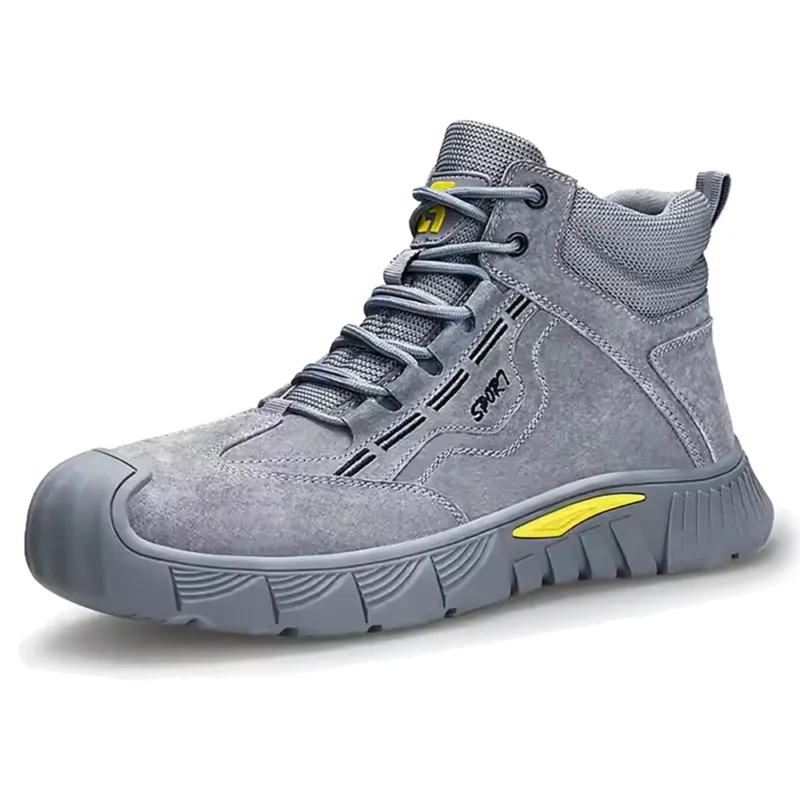
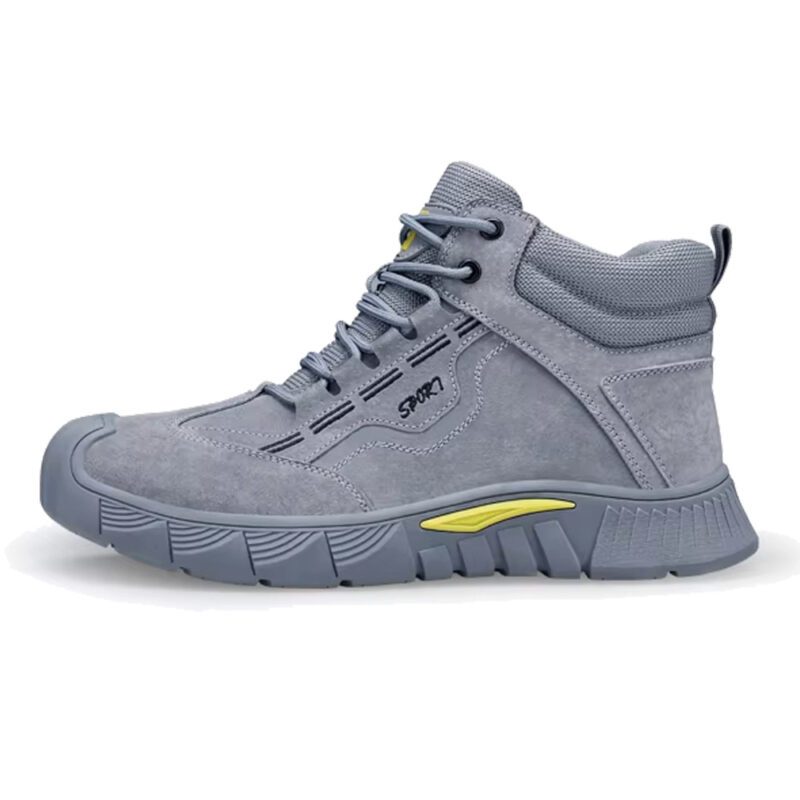
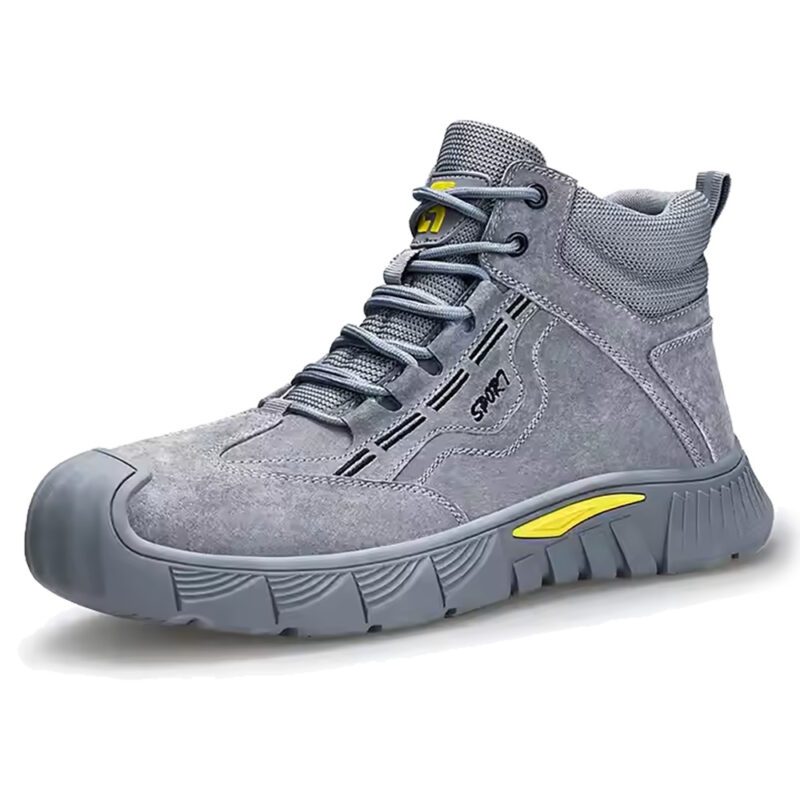
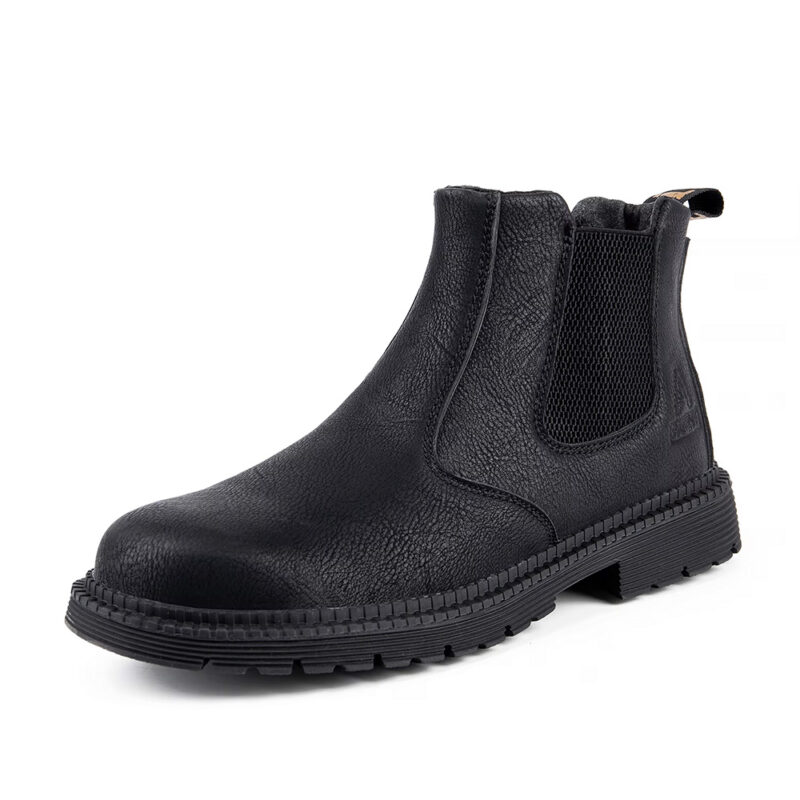
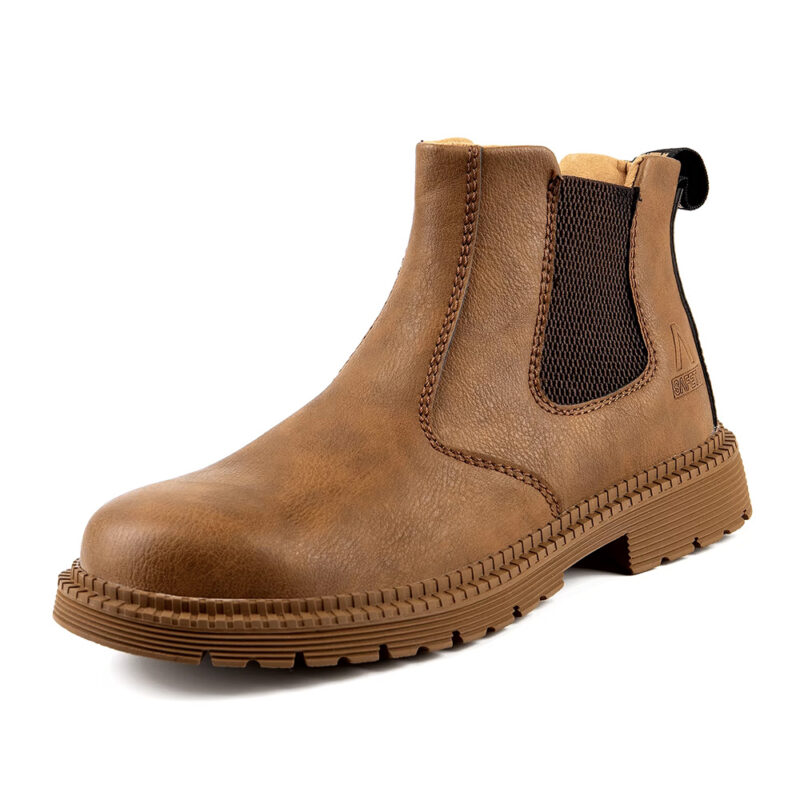
When your workday involves heavy machinery, falling objects, and unforgiving terrain, the Birks Defender Kevlar Steel Toe Safety Work Boots stand ready to protect you through it all. These boots deliver the exceptional durability, reliable protection, and all-day comfort you need to tackle any challenge and get the job done right, every single time.
Work shoes are not a vanity purchase. They are a health investment. A poorly constructed shoe costs more in medical bills and sick days than any premium pair ever would.
This guide covers everything you need: shoe history, technical features to evaluate, shoe types by profession, a comparison table, maintenance tips, and a clear selection process.
A Brief History of Women’s Work Shoes
Women’s work footwear has changed dramatically over the past century.
In the early 1900s, women wore leather lace-up boots for factory and domestic work. These offered ankle support but little cushioning. Comfort was secondary to durability.
By the 1940s and 1950s, women entered office environments in larger numbers. Low-heeled pumps became the workplace standard. Style drove design more than function.
The 1970s and 1980s brought athletic shoe technology into the workplace. Brands began applying running shoe cushioning systems to professional footwear. EVA foam and polyurethane midsoles moved from sports into work boots and clogs.
The 1990s introduced slip-resistant outsoles as restaurant and healthcare industries demanded safer footwear. OSHA guidelines pushed manufacturers to develop standardized safety ratings.
Today, women’s work shoes combine orthopedic research, advanced materials science, and professional styling. The category includes everything from steel-toe boots to memory foam dress shoes.
Key Technical Specifications to Evaluate
Before you buy, understand the technical language on product labels. These terms directly affect your comfort and safety.
Midsole Materials
The midsole sits between the outsole and insole. It determines shock absorption.
- EVA (Ethylene-Vinyl Acetate): Lightweight and flexible. Common in healthcare and retail shoes. Compresses over time.
- Polyurethane (PU): Denser and more durable than EVA. Better for long-term support. Found in high-use work boots.
- Memory foam: Conforms to your foot shape. Excellent for initial comfort. Less responsive under repeated impact.
Outsole Ratings
The outsole is the bottom layer that contacts the ground.
- SR (Slip Resistant): Tested on wet and oily surfaces. Essential for kitchens, hospitals, and warehouses.
- EH (Electrical Hazard): Protects against open electrical circuits up to 18,000 volts. Required in construction and electrical trades.
- Oil-resistant: Prevents sole degradation in environments with petroleum products.
Toe Protection
- Steel toe: Maximum impact protection. Rated to withstand 75 foot-pounds of impact. Heavy but reliable.
- Composite toe: Made from carbon fiber, Kevlar, or plastic. Lighter than steel. Does not conduct temperature. Better for cold or electrically sensitive environments.
- Soft toe: No reinforcement. Suitable for office, retail, and light-duty environments.
Arch Support Types
- Neutral arch: Works for most foot shapes. No aggressive correction.
- High-arch support: Reduces plantar fascia strain. Essential for high arches.
- Overpronation support: Controls inward foot rolling. Common in healthcare workers who stand on hard floors.
Heel Height Guidelines for Work
| Heel Height | Best For | Caution |
|---|---|---|
| Flat (0–0.5 in) | Long shifts, warehouse, healthcare | May lack arch support |
| Low (0.5–1.5 in) | Office, retail, light standing | Best balance of comfort and style |
| Mid (1.5–2.5 in) | Office, client-facing roles | Fatigue increases after 6+ hours |
| High (2.5 in+) | Short desk shifts only | Not recommended for all-day wear |
Best Work Shoe Types by Profession
Healthcare and Nursing
Healthcare workers log eight to twelve-hour shifts on hard floors. Priorities are slip resistance, cushioning, and easy cleaning.
Clogs remain the top choice in this field. They slip on quickly between procedures, offer a raised heel for calf relief, and clean easily. Look for:
- Slip-resistant outsole rated for wet clinical floors
- Closed toe and closed heel for protection against dropped sharps or spills
- Antimicrobial lining to control odor
- Removable insole for custom orthotics
Office and Corporate Environments
Office workers sit for long periods, then walk between meetings. The foot alternates between rest and sudden activity. Priorities are style, light support, and all-day wearability.
Recommended styles:
- Low-heeled loafers with a cushioned insole
- Block-heel pumps (1.5 to 2 inches) for stability with professionalism
- Oxford flats with a leather upper and padded collar
Avoid pointed toes in narrow widths. They compress the forefoot and cause bunion development over time.
Retail and Hospitality
Standing on hard concrete or tile for six to eight hours demands maximum shock absorption and slip resistance.
Look for:
- SR-rated outsole for spilled liquids
- Thick polyurethane midsole
- Padded collar and tongue
- Wide toe box to prevent swelling compression during long shifts
Construction and Trades
Safety standards are non-negotiable here. Women in construction need ASTM-rated footwear.
Required features:
- Steel or composite toe (ASTM F2413 rated)
- Puncture-resistant midsole (PR plate)
- EH rating if working around electrical hazards
- Ankle support with a lace-up design
- Waterproof upper for outdoor environments
Teaching and Education
Teachers move constantly. They walk hallways, stand at boards, and crouch at student desks. Priorities are flexibility, lightweight construction, and non-marking outsoles.
Best options:
- Supportive sneakers in neutral colors
- Leather slip-ons with a padded footbed
- Mary Jane flats with a strap for security
How to Compare Work Shoe Brands
Not every brand excels in every category. Use this comparison framework to evaluate options:
| Feature | Budget Range | Mid Range | Premium Range |
|---|---|---|---|
| Midsole material | Basic EVA | PU or dual-density EVA | PU with orthopedic insert |
| Slip resistance | SR rated | SR rated, tested | ASTM F3445 or higher |
| Upper material | Synthetic leather | Full-grain leather or mesh | Full-grain leather or Gore-Tex |
| Break-in period | 1–2 weeks | 3–5 days | Minimal to none |
| Expected lifespan | 6–12 months | 12–18 months | 18–36 months |
| Warranty | None to 30 days | 90 days | 1 year or more |
Premium shoes cost more upfront. They last longer and reduce replacement frequency. Over a three-year period, a $200 shoe worn daily often costs less per month than a $60 shoe replaced three times.
When your workday involves heavy machinery, falling objects, and unforgiving terrain, the Birks Defender Kevlar Steel Toe Safety Work Boots stand ready to protect you through it all. These boots deliver the exceptional durability, reliable protection, and all-day comfort you need to tackle any challenge and get the job done right, every single time.
Fit Factors That Most Buyers Overlook
Buying the right size is not enough. Fit involves multiple dimensions.
Width: Most brands default to medium (B) width. If your feet are wide or narrow, check for alternate width offerings. A shoe that is too narrow causes bunions. A shoe too wide causes blisters from friction.
Volume: High-volume feet need extra depth in the toe box. Flat feet take up more vertical space than high-arched feet.
Toe box shape: Round and square toe boxes accommodate natural foot spread. Pointed toes force the forefoot into compression.
Heel cup: A snug heel cup prevents the shoe from slipping during movement. A loose heel causes blisters and increases fatigue.
Try shoes at the end of the day. Feet swell throughout the day by up to half a size. Buying shoes in the morning leads to tightness by evening.
Maintenance to Extend Shoe Life
A well-maintained shoe performs better and lasts longer. Follow these steps:
Leather Uppers
- Wipe off dirt after each wear with a dry cloth.
- Apply a leather conditioner every two to four weeks.
- Use a water-repellent spray for wet environments.
- Store with cedar shoe trees to maintain shape and absorb moisture.
- Rotate between two pairs to allow full drying between uses.
Synthetic and Mesh Uppers
- Spot clean with mild soap and a soft brush.
- Air dry only. Heat damages synthetic bonding and foam.
- Use a fabric protector spray to repel water and stains.
Outsole and Midsole Care
- Check outsole tread monthly. Worn tread reduces slip resistance.
- Replace shoes when the midsole feels flat. Cushioning breakdown is the primary cause of foot and knee pain.
- Use aftermarket insoles to extend midsole life and add custom support.
Insole Hygiene
- Remove insoles weekly and air them out.
- Replace disposable insoles every three to six months.
- Wash removable insoles with mild soap and cold water. Air dry fully before reinserting.
Red Flags to Avoid When Shopping
Not all shoes marketed as “work shoes” meet professional standards. Watch for these warning signs:
- No SR rating listed: Slip resistance requires third-party testing. If a brand does not list the rating, it likely has not been tested.
- Vague cushioning claims: Words like “ultra-comfort” without material specifications mean nothing. Look for EVA, PU, or memory foam listed explicitly.
- No return policy: Fit issues are common. Reputable brands offer at least 30-day returns on unworn or lightly worn shoes.
- Glued-only construction: Quality work shoes use stitching plus adhesive. Glue-only bonds fail faster under repeated stress.
- No width options: Single-width brands serve a limited population. Brands offering multiple widths invest in fit engineering.
Your Step-by-Step Selection Process
Use this sequence every time you buy work shoes:
- Identify your work environment. Is the floor hard or soft? Are there wet surfaces? Do safety ratings apply?
- List your foot type. Know your arch height and width. Consult a podiatrist if you have chronic foot pain.
- Set a realistic budget. Factor in expected lifespan and replacement frequency.
- Filter by required safety ratings. SR, EH, and ASTM ratings are not optional in regulated environments.
- Narrow by profession type. Healthcare, trades, and office environments have different structural needs.
- Try on at the end of the day. Bring your work socks when you try them on.
- Walk on hard floors during the try-on. Store carpet hides fit problems.
- Check the return policy before purchasing. Protect yourself against fit surprises.
- Break them in gradually. Wear new shoes for two to three hours per day for the first week.
- Reassess every twelve months. Even good shoes degrade. Schedule a replacement evaluation annually.
Final Thoughts
The best work shoes for women are the ones built for your specific environment, sized correctly for your foot, and maintained well over time. No single shoe fits every job or every foot.
Prioritize safety ratings first, support second, and style third. Style options exist within every safety tier. You do not have to choose between protection and a professional appearance.
Invest in quality, learn the technical specs, and follow a maintenance routine. Your feet, knees, and back will thank you for it.
When your workday involves heavy machinery, falling objects, and unforgiving terrain, the Birks Defender Kevlar Steel Toe Safety Work Boots stand ready to protect you through it all. These boots deliver the exceptional durability, reliable protection, and all-day comfort you need to tackle any challenge and get the job done right, every single time.