Do Boot Stretchers Work?

What Boot Stretchers Actually Do
Boot stretchers work by applying controlled pressure to leather or suede materials. The device expands the boot’s interior dimensions through mechanical force. Users insert the stretcher into their footwear and turn adjustment knobs to increase width or length gradually.
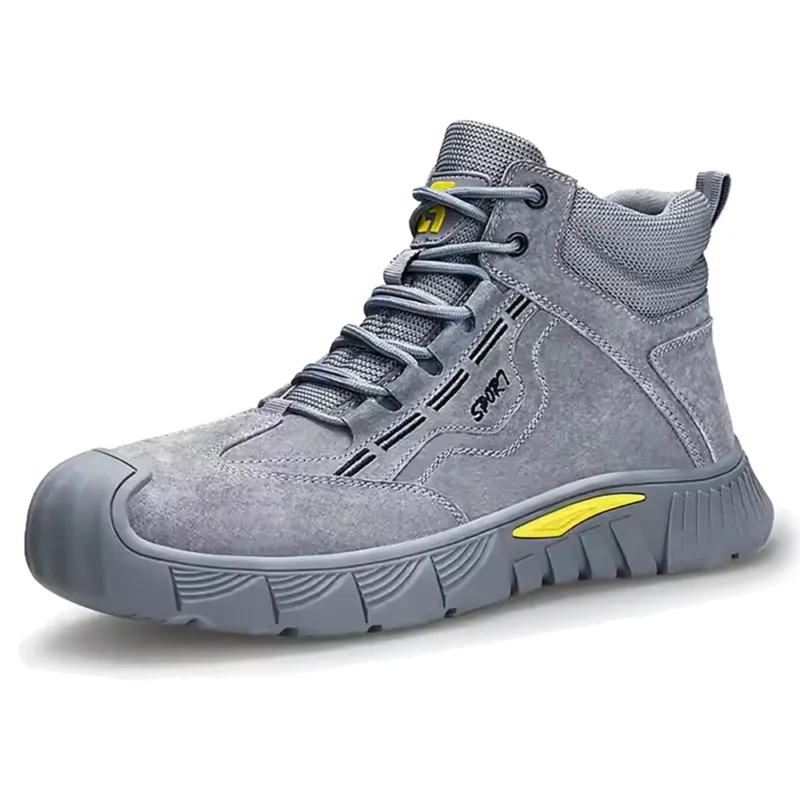
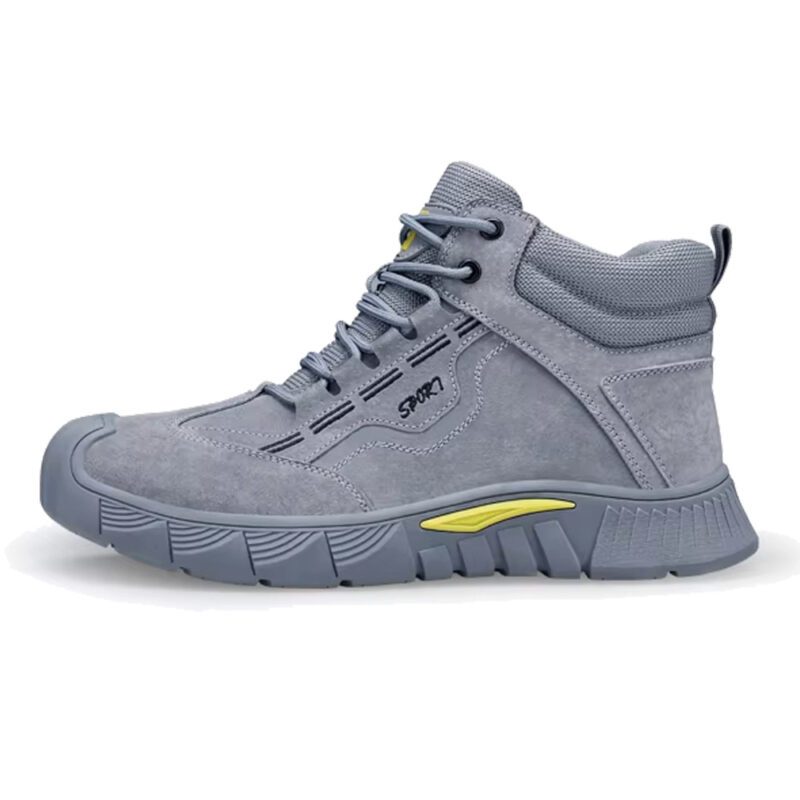
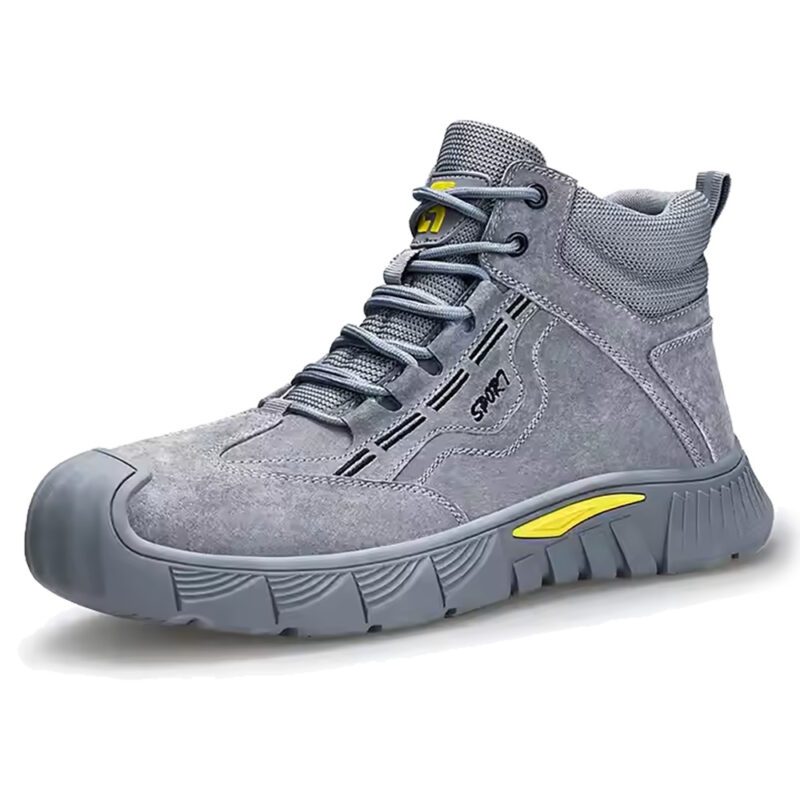
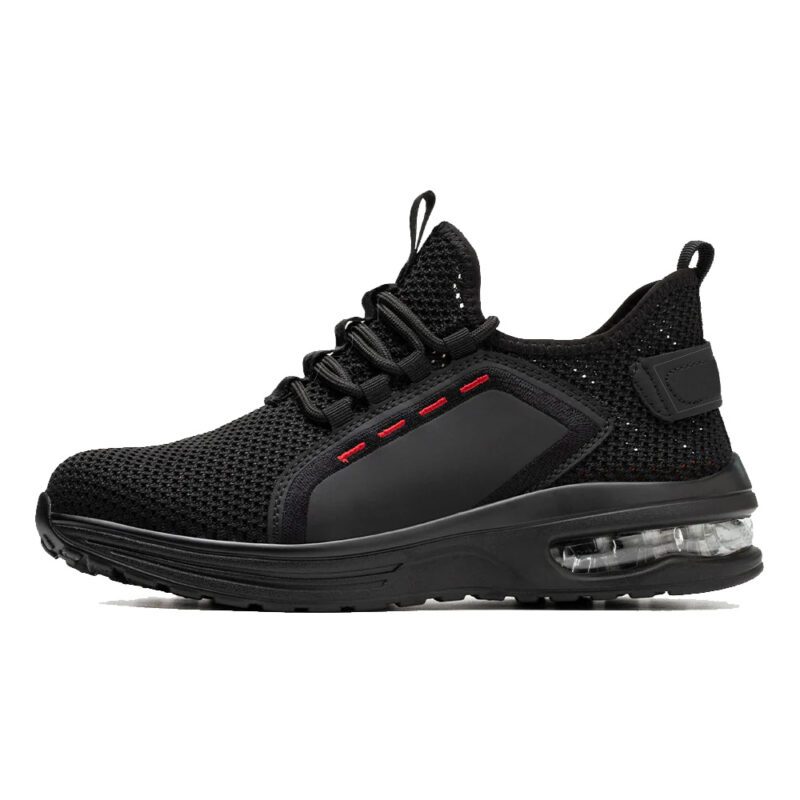
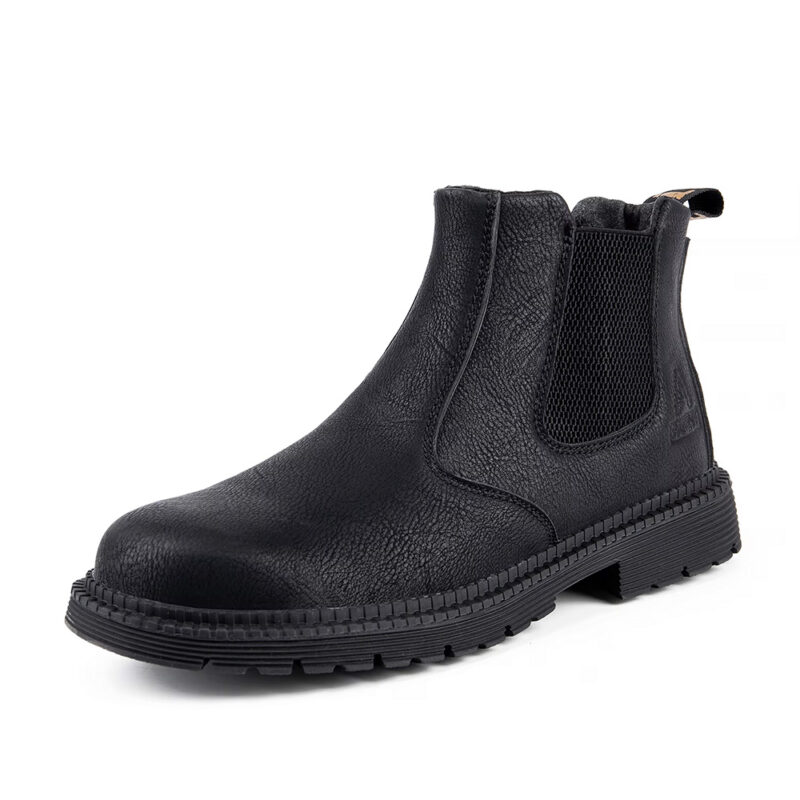
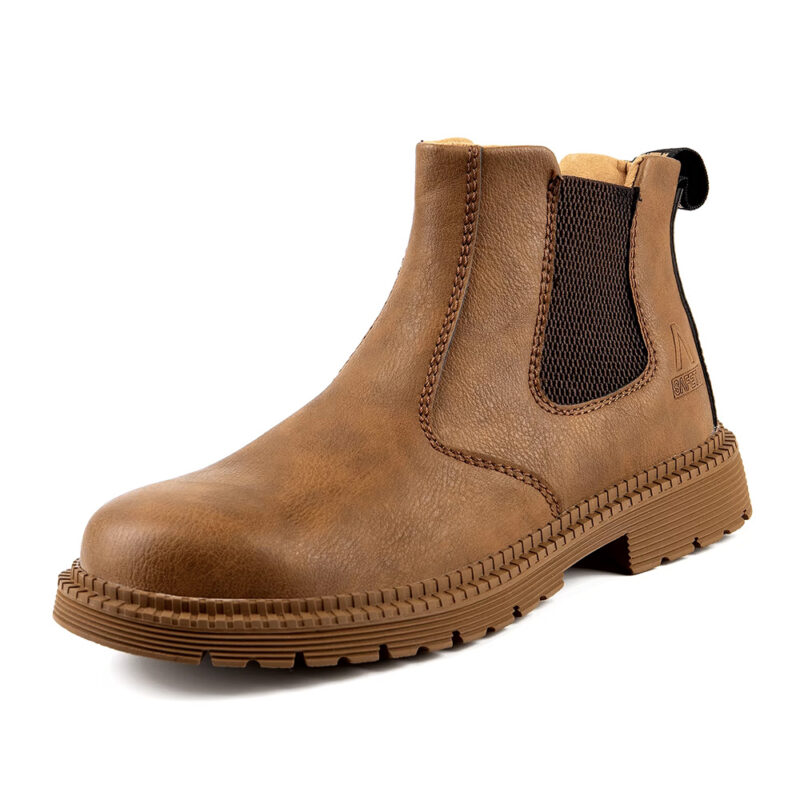
When your workday involves heavy machinery, falling objects, and unforgiving terrain, the Birks Defender Kevlar Steel Toe Safety Work Boots stand ready to protect you through it all. These boots deliver the exceptional durability, reliable protection, and all-day comfort you need to tackle any challenge and get the job done right, every single time.
The science behind this process is simple. Leather fibers contain natural oils and proteins that allow the material to stretch when force is applied. Boot stretchers exploit this property by maintaining constant pressure over 8 to 24 hours. The fibers gradually relax and reform around the stretcher’s shape.
Most quality stretchers increase boot width by 1/4 to 1/2 inch. Length adjustments are smaller, typically adding 1/8 to 1/4 inch. These measurements apply to genuine leather boots. Synthetic materials respond differently and may not stretch at all.
The History Behind Boot Stretching Tools
Cobblers have used stretching devices since the 1800s. Early versions were simple wooden forms that shoemakers inserted into boots overnight. These tools helped new boots conform to customer feet before sale.
Professional boot stretchers emerged in the early 1900s. Manufacturers created cast iron models with screw mechanisms for precise adjustments. These industrial tools cost significantly more than consumer versions available today.
Modern boot stretchers appeared in retail markets during the 1960s. Companies began producing affordable plastic and wood models for home use. The basic design has changed little since then. Current models still use the same screw-and-lever system that cobblers relied on decades ago.
How Different Boot Stretcher Types Function
Two-Way Stretchers
Two-way stretchers expand boot width only. These models feature a single screw mechanism that pushes two wooden blocks apart. The blocks press against the boot’s sides simultaneously.
This design works best for:
- Boots that pinch at the ball of the foot
- Footwear with tight instep areas
- Breaking in new leather boots
- Adding width without affecting length
Two-way stretchers cost between $15 and $40. They represent the most common type available in shoe stores.
Four-Way Stretchers
Four-way stretchers adjust both width and length. These devices include additional mechanisms that extend the toe box forward while expanding the sides. Users control each dimension independently through separate adjustment screws.
Professional cobblers prefer four-way models because they offer complete control over boot dimensions. Home users benefit when their boots are too short and too narrow.
Boot Calf Stretchers
Boot calf stretchers target the upper shaft of tall boots. These specialized tools look different from standard stretchers. They consist of adjustable forms that expand the boot leg circumference.
Women’s riding boots and tall winter boots often need calf stretching. Standard boot stretchers cannot reach these areas. Calf stretchers solve this specific problem by focusing pressure on the boot shaft only.
Material Compatibility and Stretch Results
| Boot Material | Stretch Potential | Time Required | Success Rate |
|---|---|---|---|
| Full-Grain Leather | 1/4 to 1/2 inch | 8-24 hours | 95% |
| Suede | 1/4 to 3/8 inch | 12-24 hours | 90% |
| Nubuck | 1/4 inch | 24-48 hours | 85% |
| Synthetic Leather | Minimal | 24+ hours | 40% |
| Rubber | None | N/A | 0% |
Full-grain leather responds best to stretching because the material retains natural oils. The fibers move apart under pressure and stay in their new position after the stretcher is removed.
Suede stretches almost as well as smooth leather. The napped surface sometimes shows stress marks if stretched too aggressively. Users should apply stretching spray and work slowly with suede boots.
Synthetic materials resist stretching because manufacturers design them to maintain their shape. Plastic fibers do not contain the same flexible properties as animal leather. Boot stretchers provide minimal results on synthetic boots.
Step-by-Step Boot Stretching Process
- Clean the boots thoroughly. Remove dirt and debris from both interior and exterior surfaces. Dust particles can scratch leather during the stretching process.
- Apply leather conditioning spray. Spray the interior of the boot generously. The conditioning agent softens fibers and makes them more receptive to stretching. Let the spray soak in for 5 minutes.
- Insert the boot stretcher. Place the device inside the boot with the toe block positioned in the front. The stretcher should sit flat against the sole.
- Turn adjustment screws slowly. Rotate the width adjustment knob until you feel resistance. Stop when the boot leather becomes taut. Do not force the mechanism.
- Add spot stretchers if needed. Boot stretchers include small plugs that target specific pressure points. Insert these plugs into holes on the stretcher head where your foot experiences discomfort.
- Wait 8 to 24 hours. Leave the stretcher in place overnight for best results. Check progress after 8 hours. Add another turn to the adjustment screw if the boot needs more width.
- Remove and test fit. Take out the stretcher and try on the boot. Walk around for several minutes. The boot should feel noticeably more comfortable.
- Repeat if necessary. Some boots require multiple stretching sessions. Never try to stretch more than 1/2 inch in a single application.
When your workday involves heavy machinery, falling objects, and unforgiving terrain, the Birks Defender Kevlar Steel Toe Safety Work Boots stand ready to protect you through it all. These boots deliver the exceptional durability, reliable protection, and all-day comfort you need to tackle any challenge and get the job done right, every single time.
Common Problems Boot Stretchers Solve
Pinching at the Toe Box
Many boots pinch the little toe or big toe area. This happens when the toe box design is too narrow for your foot shape. A boot stretcher with targeted spot plugs eliminates this specific pressure point.
Place the small plastic or metal plugs on the stretcher head where your toes experience pressure. The plugs create focused expansion in problem areas while leaving the rest of the boot unchanged.
Tight Instep
The instep is the top part of your foot where laces or buckles sit. Some boot styles create pressure across this area. Boot stretchers raise the instep height by expanding the boot’s vamp.
This adjustment works because leather stretches vertically as well as horizontally. The stretcher lifts the boot’s upper material away from your foot. Users with high arches benefit most from instep stretching.
Breaking in New Boots
New boots feel stiff because the leather has not molded to your foot yet. Traditional break-in methods require wearing uncomfortable boots for weeks. Boot stretchers speed up this process significantly.
The stretcher pre-conditions the leather by forcing it to flex and move. This mechanical break-in accomplishes in 24 hours what normally takes two weeks of daily wear.
Limitations You Should Know About
Boot stretchers cannot fix every fit problem. The tools have clear limitations that users must understand before purchasing.
Size limitations: Stretchers cannot make a size 8 boot fit like a size 9. The maximum stretch is approximately half a size. Boots that are more than one full size too small need to be replaced.
Structural changes: Stretchers will not alter boot height, heel position, or shaft circumference on short boots. These modifications require professional cobbler intervention.
Quality dependence: Cheap boots made from bonded leather or cardboard stiffeners may fall apart during stretching. The stress can separate glued seams or crack inferior materials.
Permanent results vary: Stretched leather slowly contracts back toward its original shape over months of wear. Users may need to re-stretch boots periodically.
Selecting the Right Boot Stretcher
Consider these factors when choosing a boot stretcher:
Boot type matters. Ankle boots need different stretchers than knee-high boots. Match the stretcher length to your boot shaft height.
Material construction affects durability. Wooden stretchers with metal hardware last longer than all-plastic models. Expect to pay $30 to $50 for quality construction.
Adjustment mechanisms vary. Some stretchers use simple turn screws. Premium models include ratcheting handles for easier operation. Test the mechanism in the store before buying.
Included accessories add value. Look for stretchers that include spot plugs, stretching spray, and a storage bag. These extras cost $15 to $20 when purchased separately.
Left and right specific designs. Some manufacturers create anatomically correct stretchers for each foot. These models cost more but provide better results for boots with asymmetric toe boxes.
Professional vs. DIY Boot Stretching
Professional cobblers charge $15 to $30 per pair for boot stretching services. They use industrial-grade stretchers that apply more force than consumer models. Cobblers also assess whether your specific boot can safely handle stretching.
DIY stretching costs less over time. A quality boot stretcher costs $35 and works on unlimited pairs. You control the process and can adjust multiple times until the fit is perfect.
Choose professional stretching when:
- Your boots cost more than $300
- The leather is very thin or delicate
- You need complex modifications beyond simple width adjustments
- The boots have decorative elements that could be damaged
DIY stretching makes sense for:
- Multiple pairs that need adjustments
- Budget-friendly boots under $150
- Simple width or length modifications
- Breaking in new boots before important events
Maintaining Stretched Boots
Stretched boots require ongoing care to maintain their new dimensions. The leather will gradually contract if you do not take preventive steps.
Insert boot trees after each wear. Cedar boot trees maintain shape and absorb moisture. The trees prevent leather from shrinking back to its pre-stretched state.
Condition leather monthly. Leather conditioner keeps fibers supple and flexible. Dry leather contracts more aggressively than well-maintained leather.
Store boots properly. Stand boots upright or use boot shapers. Folded or collapsed boots develop new creases that undo stretching work.
Re-stretch as needed. Most boots need touch-up stretching every 6 to 12 months. Quick overnight sessions restore the comfortable fit.
The Bottom Line on Boot Stretcher Effectiveness
Boot stretchers work reliably on genuine leather footwear. The devices deliver measurable results when users follow correct procedures and have realistic expectations. You can expect 1/4 to 1/2 inch of width expansion on quality leather boots.
The tools cost less than professional stretching services and provide value across multiple pairs. Users gain control over the process and can make incremental adjustments until the fit is perfect.
Boot stretchers fail on synthetic materials, oversized fit problems, and structural boot modifications. Know the limitations before purchasing. Combine boot stretchers with quality leather care products for optimal long-term results.
When your workday involves heavy machinery, falling objects, and unforgiving terrain, the Birks Defender Kevlar Steel Toe Safety Work Boots stand ready to protect you through it all. These boots deliver the exceptional durability, reliable protection, and all-day comfort you need to tackle any challenge and get the job done right, every single time.