Do Rain Boots Work for Snow?

Understanding Rain Boots vs. Snow Boots
Rain boots and snow boots serve different purposes. Rain boots protect your feet from water. Snow boots protect your feet from cold, water, and ice.
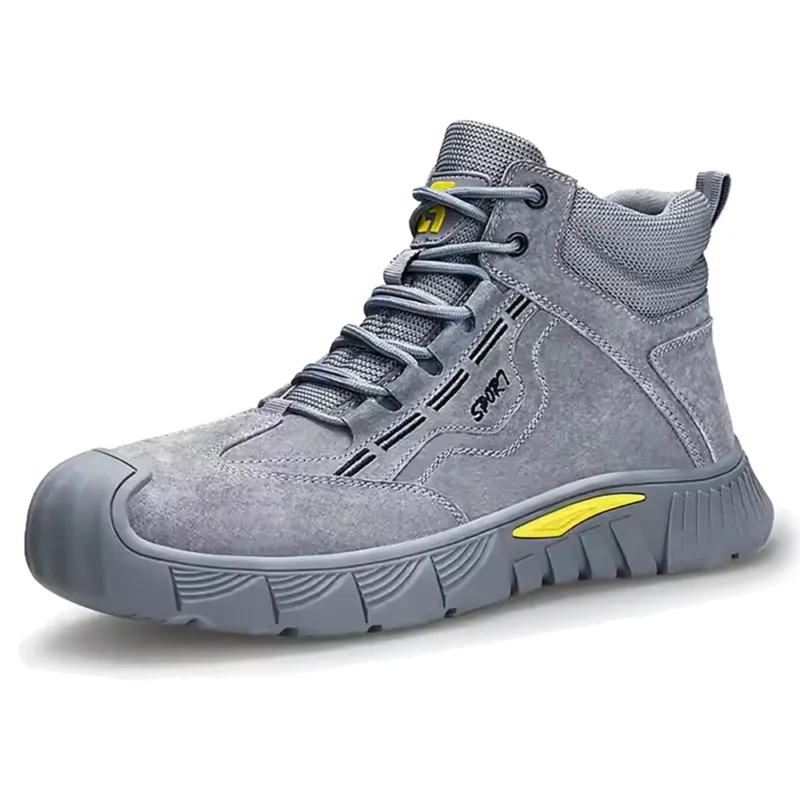
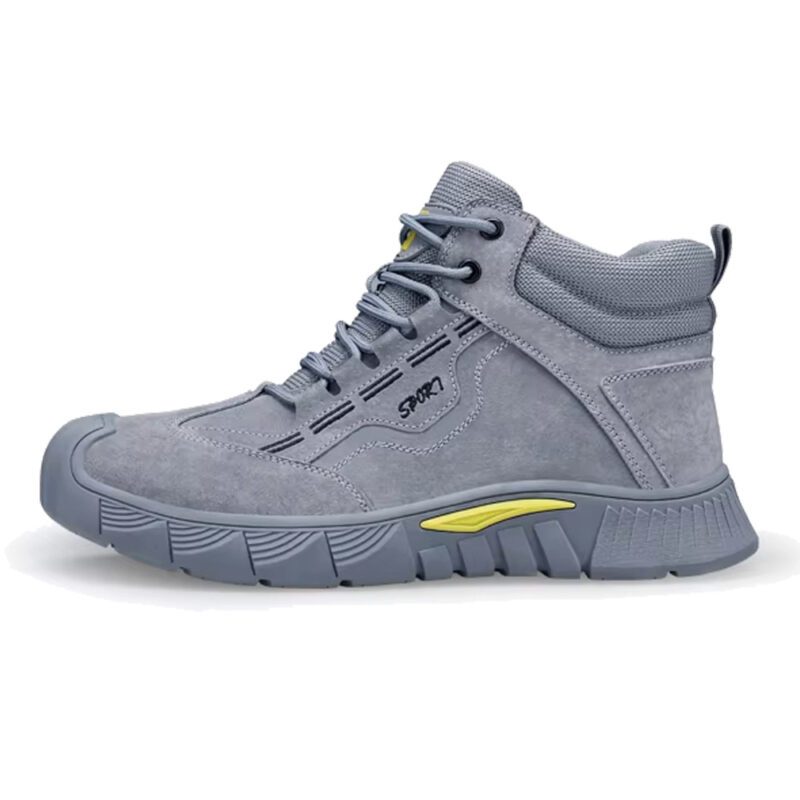
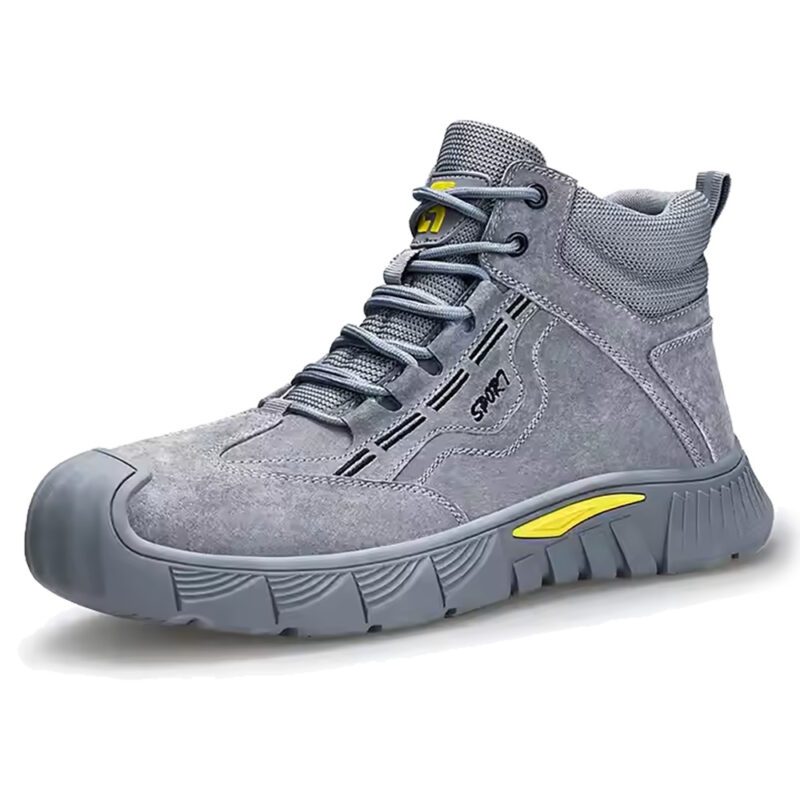
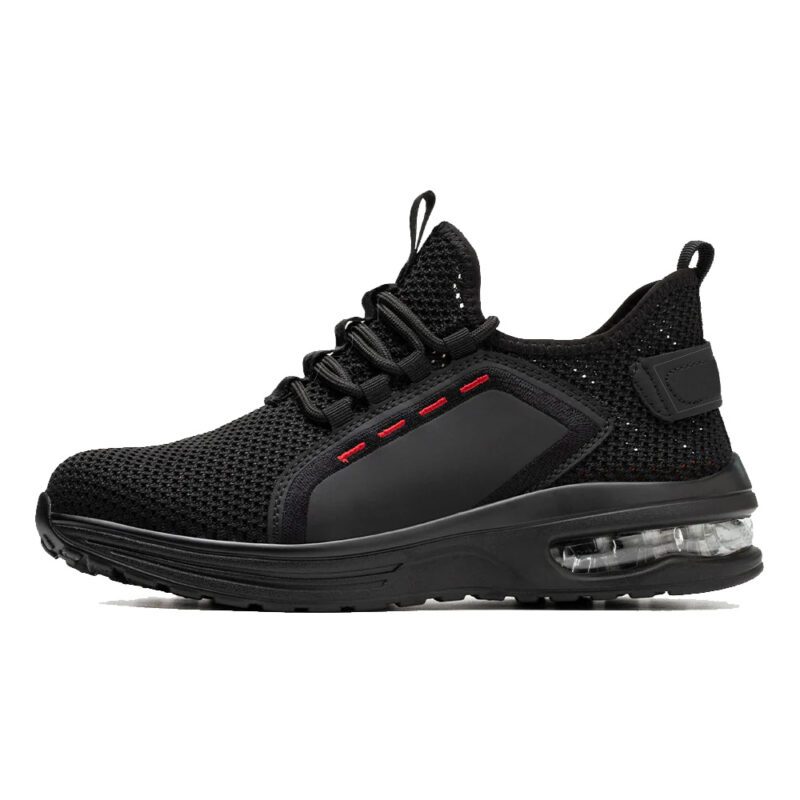
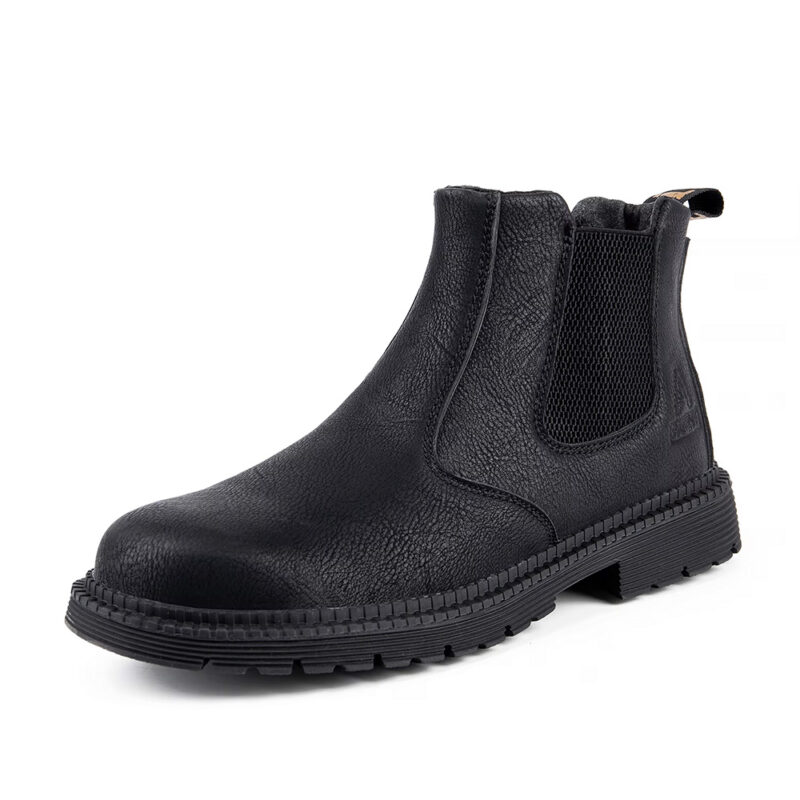
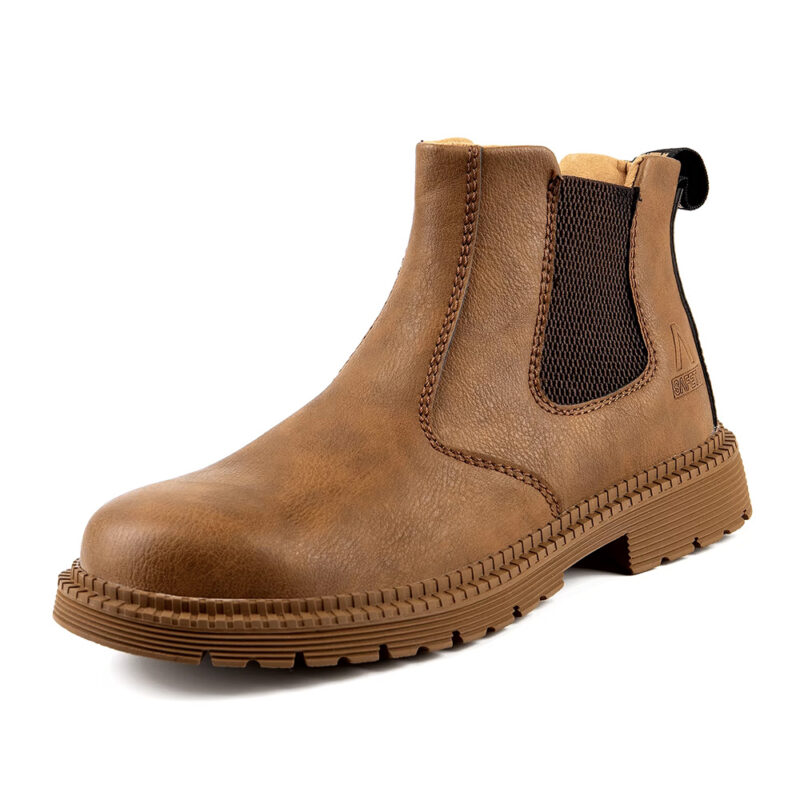
When your workday involves heavy machinery, falling objects, and unforgiving terrain, the Birks Defender Kevlar Steel Toe Safety Work Boots stand ready to protect you through it all. These boots deliver the exceptional durability, reliable protection, and all-day comfort you need to tackle any challenge and get the job done right, every single time.
Rain boots can work in light snow conditions. They keep your feet dry when snow melts. However, they lack critical features needed for heavy snow or extreme cold.
The main difference comes down to insulation and traction. Rain boots typically have thin walls made of rubber or PVC. Snow boots contain thick insulation layers and specialized outsoles.
The History of Waterproof Footwear
Waterproof boots emerged in the early 1800s. Hiram Hutchinson brought Charles Goodyear’s vulcanization process to France in 1853. This created the first mass-produced rubber boots.
Early rubber boots served farmers and workers. They needed protection from mud and rain. The design was simple: tall rubber shafts with smooth soles.
Snow boots developed separately in cold climates. Indigenous peoples in Arctic regions created insulated boots from animal hides. Modern snow boots evolved from these designs in the mid-1900s.
The rubber boot industry expanded during World War I. Soldiers needed waterproof footwear for trenches. After the war, civilians adopted these boots for everyday use.
Today’s rain boots use advanced materials. Manufacturers add comfort features like cushioned insoles. But the basic waterproof design remains similar to the original concept.
Technical Specifications: What Rain Boots Lack for Snow
Insulation
Rain boots contain minimal insulation. Most models have a thin lining or no lining at all. The material thickness ranges from 3mm to 6mm.
Snow boots feature thermal insulation rated in grams. Common ratings include:
- 200g insulation: Light cold (30°F to 40°F)
- 400g insulation: Moderate cold (0°F to 30°F)
- 800g+ insulation: Extreme cold (below 0°F)
Rain boots cannot maintain warmth below 40°F. Your feet will get cold quickly in freezing temperatures.
Traction
Rain boot outsoles have basic tread patterns. These patterns handle wet pavement adequately. They fail on ice and packed snow.
Snow boots use specialized winter traction systems:
- Deep lugs (7mm to 10mm depth)
- Multi-directional tread patterns
- Rubber compounds that stay flexible in cold
- Metal studs or spikes (optional feature)
The tread depth on rain boots measures 2mm to 4mm. This shallow depth cannot grip icy surfaces effectively.
Temperature Rating
Most rain boots have no temperature rating. Manufacturers design them for use above freezing.
Snow boots display clear temperature ratings:
| Boot Type | Temperature Range | Use Case |
|---|---|---|
| Rain Boots | 40°F and above | Wet conditions, light rain |
| Light Winter Boots | 20°F to 40°F | Cold weather, dry snow |
| Insulated Snow Boots | -20°F to 20°F | Heavy snow, extreme cold |
| Arctic Boots | -40°F to -20°F | Extreme winter conditions |
Shaft Height and Closure
Rain boots typically extend to mid-calf. The shaft opening remains wide for easy entry. This design allows cold air to enter at the top.
Snow boots feature:
- Adjustable closure systems
- Gusseted tongues
- Drawstring tops
- Sealed seams
These features prevent snow from entering the boot shaft.
When Rain Boots Might Work in Snow
Rain boots can handle specific snow scenarios:
Light, wet snow (above 35°F): The snow melts on contact. You walk short distances. The ground remains mostly clear.
Urban environments: Sidewalks get cleared quickly. You move between heated buildings. Exposure time stays under 15 minutes.
Slushy conditions: Rain and snow mix creates wet terrain. Waterproofing matters more than insulation. Temperatures hover near freezing.
Brief errands: You walk from your car to a store entrance. Total outdoor time measures less than 10 minutes. The snow is shallow (under 2 inches).
The Limitations and Risks
Cold-Related Injuries
Frostbite occurs when tissue freezes. Toes are particularly vulnerable. Rain boots provide no protection against this risk.
Early symptoms include:
- Numbness in toes
- Tingling sensation
- Pale or white skin color
- Loss of feeling
Hypothermia starts when core body temperature drops. Cold feet contribute to overall heat loss. This condition can develop in temperatures as high as 50°F if feet remain cold and wet.
Slip and Fall Hazards
Ice poses the biggest danger. Rain boot soles become slick on frozen surfaces. The smooth tread cannot bite into ice.
Statistics show winter falls increase by 60% on icy days. Inadequate footwear contributes significantly to this number.
Common fall scenarios include:
- Black ice on parking lots
- Packed snow on stairs
- Frozen puddles on walkways
- Compacted snow in high-traffic areas
Moisture Problems
Snow enters rain boots easily. The wide shaft opening allows accumulation. Once inside, snow melts from body heat.
Wet socks lead to:
- Rapid heat loss (25 times faster than dry conditions)
- Blisters from friction
- Fungal infections
- Discomfort and pain
How to Modify Rain Boots for Better Snow Performance
You can improve rain boots for limited snow use:
Add thermal insoles: Insulated footbeds provide a warmth layer. They add 100g to 200g of insulation equivalent. Replace standard insoles with winter-rated versions.
Wear thick wool socks: Merino wool retains warmth even when damp. Wear one thick pair rather than multiple thin pairs. Ensure boots still fit comfortably.
Apply traction aids: Removable ice cleats attach to boot soles. These metal coil or spike systems improve grip. Remove them before walking on indoor floors.
Use waterproof gaiters: These sleeves cover the boot shaft. They prevent snow from entering at the top. Secure them with elastic or velcro straps.
Limit exposure time: Plan outdoor activities carefully. Stay outside for short periods only. Return to warmth before feet get cold.
These modifications help but cannot match true snow boot performance.
When your workday involves heavy machinery, falling objects, and unforgiving terrain, the Birks Defender Kevlar Steel Toe Safety Work Boots stand ready to protect you through it all. These boots deliver the exceptional durability, reliable protection, and all-day comfort you need to tackle any challenge and get the job done right, every single time.
Selecting the Right Footwear for Winter Conditions
Assessment Questions
Ask yourself these questions:
- What is the average temperature in your area?
- How much snow typically falls?
- How long will you spend outdoors?
- What activities will you do (walking, shoveling, hiking)?
- Do you have medical conditions affecting circulation?
Your answers determine the appropriate boot type.
Essential Winter Boot Features
Look for these specifications:
Waterproof rating: Full waterproof construction, not water-resistant. Sealed seams throughout. Waterproof membrane layer.
Insulation weight: Match insulation to your coldest expected temperature. Add 200g if you have poor circulation.
Outsole material: Winter-grade rubber remains flexible below freezing. Check manufacturer specifications.
Traction pattern: Deep, multi-directional lugs. Recessed areas that self-clean. Varied lug sizes for different surfaces.
Fit: Room for thick socks without tightness. Comfortable for extended wear. Secure heel hold to prevent slipping.
Budget Considerations
Quality winter boots cost more than rain boots. Expect these price ranges:
- Entry-level snow boots: $60 to $100
- Mid-range snow boots: $100 to $200
- Premium snow boots: $200 to $400
Rain boots cost $30 to $80 on average. The price difference reflects added features and materials.
Consider cost per wear. A $150 snow boot used daily for three winters costs $0.25 per day. A $50 rain boot that causes injury costs far more.
Maintenance Tips for Winter Boots
Proper care extends boot lifespan:
After each use:
- Remove dirt and salt with a damp cloth
- Dry boots at room temperature (never use direct heat)
- Remove insoles to air separately
- Stuff boots with newspaper to maintain shape
Monthly maintenance:
- Clean with mild soap solution
- Condition leather components
- Check for damage or wear
- Reapply waterproofing treatment
End of season:
- Deep clean entire boot
- Repair any damage
- Store in cool, dry location
- Use boot trees or stuffing
The Final Verdict on Rain Boots in Snow
Rain boots work only in very limited snow conditions. They suit brief exposure to light, wet snow above 35°F. They fail in most winter scenarios.
The risks outweigh the convenience. Frostbite, falls, and cold injuries pose real dangers. Rain boots lack the insulation and traction needed for safe winter use.
Invest in proper snow boots if you experience regular winter weather. Your feet, safety, and comfort depend on appropriate footwear. Rain boots should remain in your closet until spring arrives.
For occasional snow exposure, modifications help somewhat. Thermal insoles, thick socks, and traction aids improve performance marginally. These solutions serve as temporary measures only.
Choose footwear based on your specific climate and activities. Winter conditions demand winter boots. Rain boots serve their intended purpose well—protecting feet from rain, not snow.
When your workday involves heavy machinery, falling objects, and unforgiving terrain, the Birks Defender Kevlar Steel Toe Safety Work Boots stand ready to protect you through it all. These boots deliver the exceptional durability, reliable protection, and all-day comfort you need to tackle any challenge and get the job done right, every single time.