Do Rain Boots Work in Snow?

Understanding Rain Boots vs. Snow Boots
Rain boots serve a specific purpose. Manufacturers design them to keep feet dry in wet conditions. These boots use waterproof materials like rubber or PVC. The construction blocks water from entering through seams or the upper material.
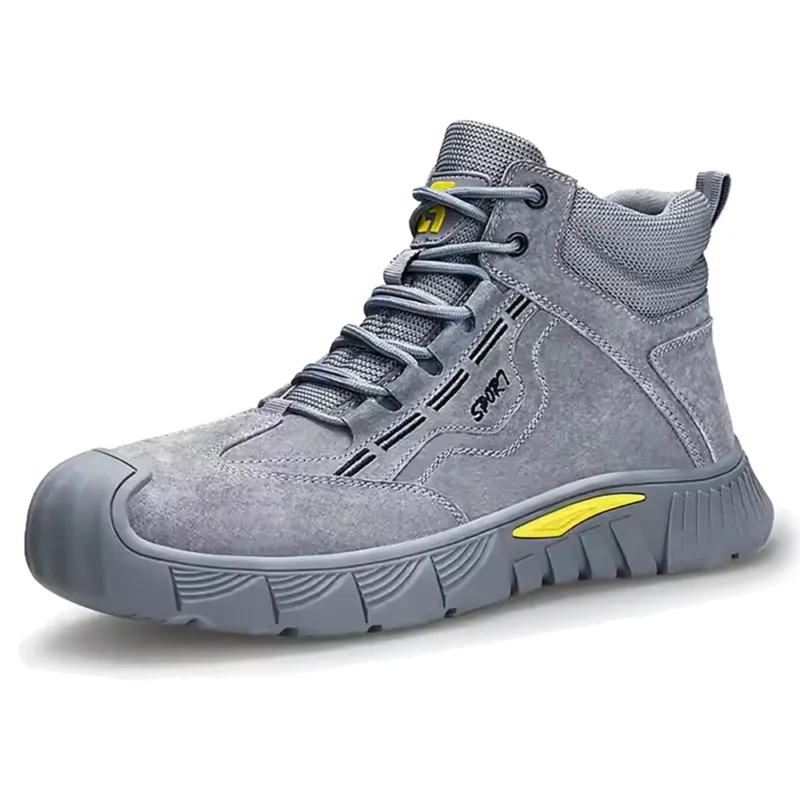
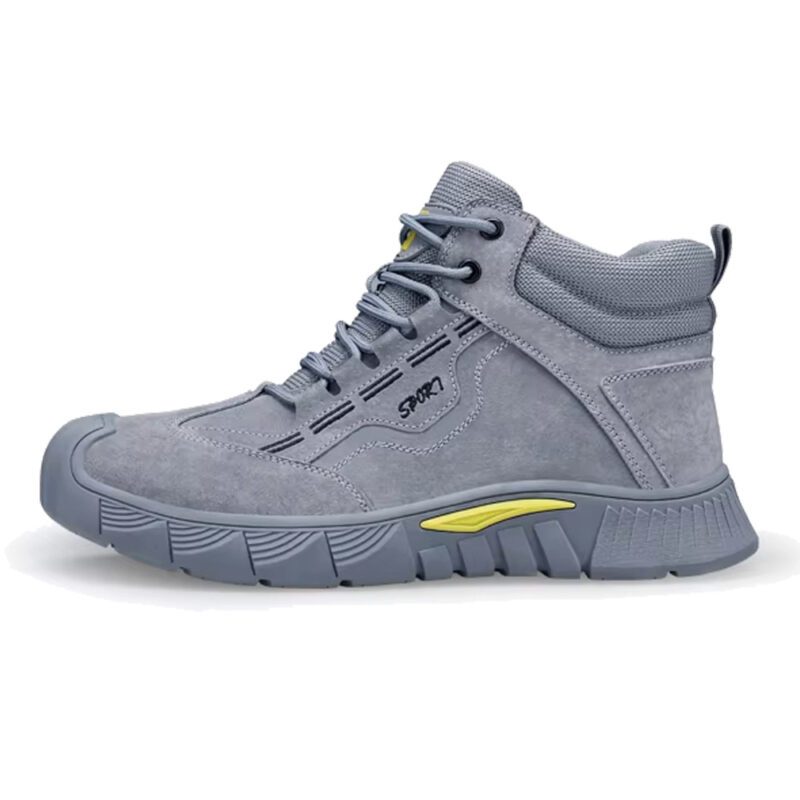
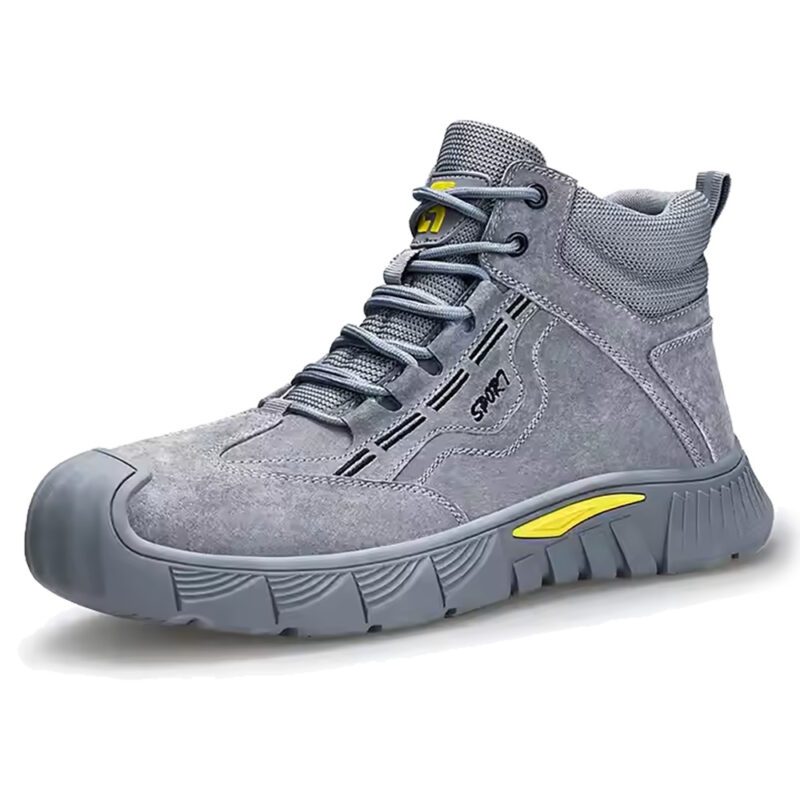
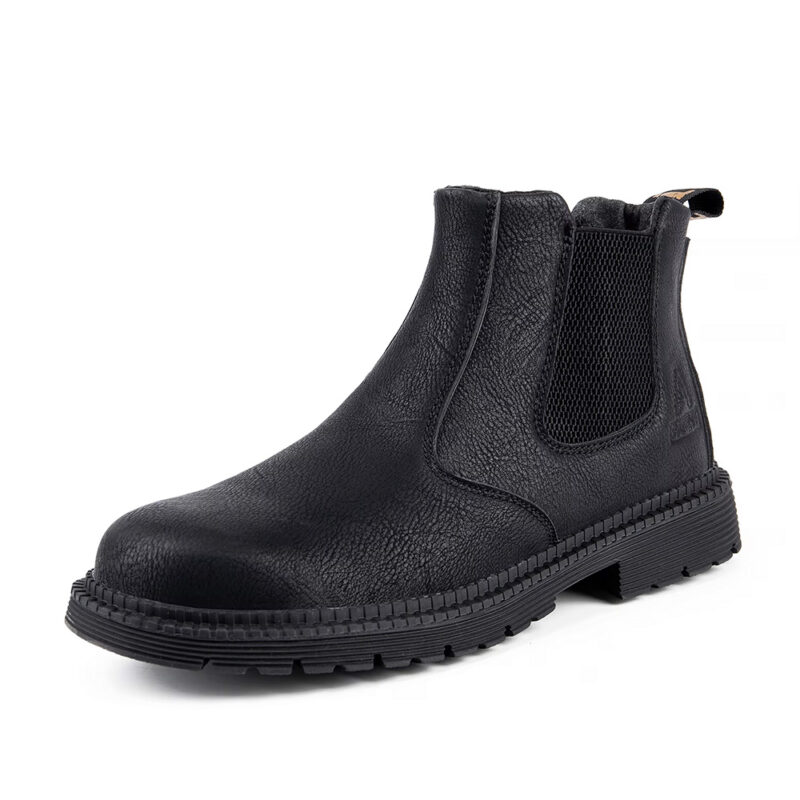
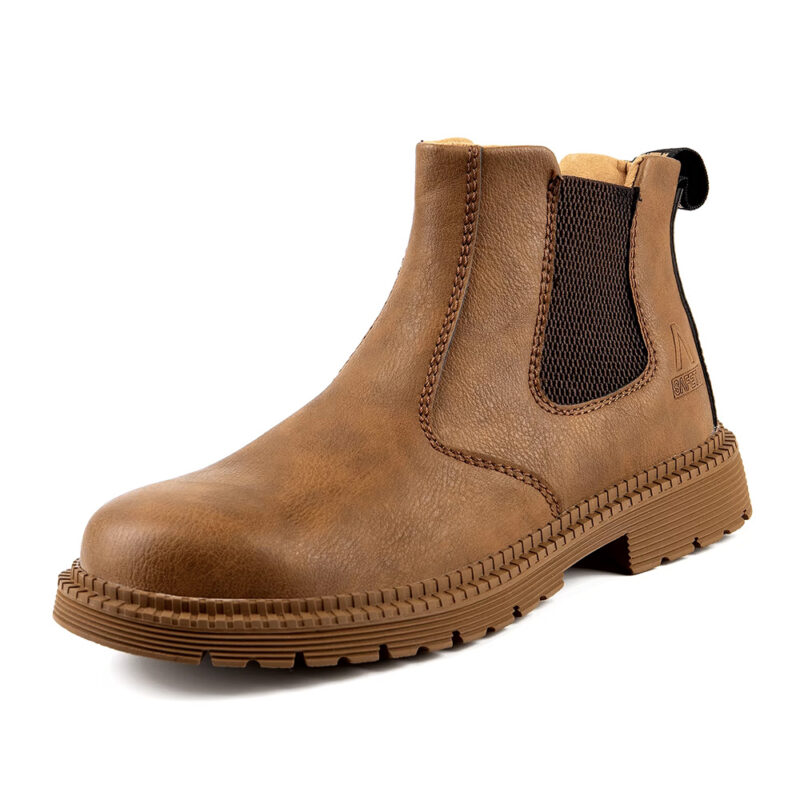
When your workday involves heavy machinery, falling objects, and unforgiving terrain, the Birks Defender Kevlar Steel Toe Safety Work Boots stand ready to protect you through it all. These boots deliver the exceptional durability, reliable protection, and all-day comfort you need to tackle any challenge and get the job done right, every single time.
Snow boots solve different problems. Winter footwear must handle cold temperatures, ice, and deep snow. The design includes insulation layers, deeper treads, and materials that resist freezing.
Rain boots can work in light snow conditions. The waterproof barrier stops melting snow from soaking your feet. However, rain boots have significant limitations in winter weather.
Key Differences in Boot Construction
Material Composition
Rain boots use thin rubber or synthetic materials. The walls typically measure 2-4mm thick. This construction prioritizes water resistance over temperature control.
Snow boots incorporate multiple layers. The outer shell resists moisture. An inner insulation layer traps body heat. Common insulation materials include:
- Thinsulate (synthetic fiber)
- Fleece lining
- Wool blends
- Neoprene foam
The insulation thickness ranges from 200-1200 grams. Higher numbers provide more warmth in extreme cold.
Tread Patterns and Traction
Rain boot soles feature shallow treads. The pattern works well on wet pavement or muddy ground. The rubber compound remains flexible in moderate temperatures.
Snow boot soles use aggressive tread patterns. The lugs extend 5-10mm from the sole surface. Deep channels evacuate snow and slush. Many winter boots include special features:
- Carbon rubber for durability
- Multi-directional lugs
- Ice-gripping technology
- Temperature-stable compounds
The tread depth makes a significant difference on ice and packed snow.
Height and Coverage
Rain boots come in various heights. Ankle, mid-calf, and knee-high versions exist. The height determines water protection level.
Snow boots typically extend above the ankle. The higher shaft prevents snow from entering during walking. Many models include:
- Adjustable cuffs
- Gussets that seal around the leg
- Drawstrings for tight closure
- Snow gaiter integration points
When Rain Boots Work in Snow
Light Snow Conditions
Rain boots perform adequately in specific winter scenarios. Light snow of 1-3 inches poses minimal challenge. The waterproof construction keeps melting snow out.
Short outdoor exposure reduces cold-related problems. A quick walk to the car or mailbox works fine. Your feet stay dry even if warmth becomes an issue.
Temperatures above freezing make rain boots viable. At 35-45°F, the cold does not penetrate quickly. Your body heat maintains comfort for brief periods.
Urban Winter Environments
City streets receive regular snow removal. Plowed sidewalks and salted roads create slushy conditions. Rain boots excel in these environments.
The waterproof barrier handles salt water and puddles. Deep snow accumulation rarely occurs in maintained areas. Rain boots provide sufficient protection for:
- Public transportation commutes
- Parking lot navigation
- Building-to-building travel
- Quick errands
Wet Snow and Slush
Spring snow often has high water content. This wet, heavy snow melts quickly on contact. Rain boots keep feet dry during the melting process.
Slush combines snow, ice, and water. The mixture creates the wettest winter conditions. Rain boots outperform uninsulated leather boots in pure slush.
Limitations of Rain Boots in Snow
Temperature Management
Rain boots lack insulation. The thin material conducts cold directly to your feet. Heat loss accelerates in below-freezing temperatures.
Your feet can become dangerously cold in extended exposure. Frostbite risk increases below 32°F. The cold penetrates within 15-30 minutes of standing still.
Cold feet cause discomfort and health risks:
- Numbness and tingling
- Reduced circulation
- Increased injury risk
- Hypothermia in extreme cases
Traction Deficiencies
Ice creates the most dangerous walking surface. Rain boot treads compress and slide on ice. The shallow pattern cannot grip frozen surfaces effectively.
Packed snow behaves similarly to ice. Compression from foot traffic creates slippery layers. Rain boots offer minimal control in these conditions.
Falls lead to serious injuries. Hip fractures, wrist breaks, and head trauma occur from ice falls. Inadequate footwear contributes to thousands of winter injuries annually.
Deep Snow Challenges
Snow exceeding 6 inches creates problems for rain boots. The snow enters over the top of shorter boots. Tall rain boots work better but still face issues.
Cold snow pulls heat from your feet. Without insulation, the temperature transfer happens rapidly. Comfort disappears within minutes.
Hiking through deep snow requires energy. Rain boots offer no ankle support. The flexible construction leads to fatigue and potential ankle rolls.
Material Brittleness
Rubber becomes stiff in extreme cold. Below 20°F, some rain boot materials lose flexibility. The boots crack or split under stress.
Cheap rain boots fail quickly in winter. Quality matters significantly in cold weather use. Premium rubber compounds maintain flexibility to 0°F or below.
When your workday involves heavy machinery, falling objects, and unforgiving terrain, the Birks Defender Kevlar Steel Toe Safety Work Boots stand ready to protect you through it all. These boots deliver the exceptional durability, reliable protection, and all-day comfort you need to tackle any challenge and get the job done right, every single time.
Comparison Table: Rain Boots vs Snow Boots
| Feature | Rain Boots | Snow Boots |
|---|---|---|
| Waterproofing | Excellent | Excellent |
| Insulation | None to minimal | 200-1200g |
| Temperature Rating | 40°F+ | -40°F to 50°F |
| Tread Depth | 2-4mm | 5-10mm |
| Ice Traction | Poor | Good to Excellent |
| Weight | Light | Medium to Heavy |
| Flexibility | High (warm temps) | Moderate |
| Ankle Support | Minimal | Moderate to High |
| Typical Price | $30-$100 | $80-$300 |
Improving Rain Boot Performance in Snow
Insulation Solutions
Thick wool socks add warmth to rain boots. Merino wool regulates temperature and wicks moisture. Wear two pairs for maximum insulation.
Thermal insoles provide ground-up cold protection. These inserts reflect body heat and block cold from below. They fit inside most rain boots easily.
Neoprene socks create a wetsuit effect. The material insulates even when damp. These specialized socks cost $20-$40 per pair.
Traction Enhancements
Ice cleats attach to boot soles. These devices use metal spikes or coils to grip ice. Options include:
- Strap-on spike systems
- Heel chains
- Full-sole grips
- Retractable cleat boots
These accessories transform rain boots into capable ice walkers. Remove them indoors to prevent floor damage.
Height Considerations
Tall rain boots prevent snow entry. Choose boots that extend 12+ inches above the ankle. The extra height accommodates snow depths up to 10 inches.
Gaiters create a seal between pants and boots. These fabric sleeves prevent snow from entering at the top. They work with any boot height.
Making the Right Choice for Winter
Assess Your Needs
Consider your typical winter activities. Daily routines determine footwear requirements. Ask yourself:
- How long do you spend outside?
- What temperatures do you face?
- Do you encounter ice regularly?
- How deep does snow accumulate?
Honest answers guide your decision. Rain boots suffice for minimal winter exposure. Serious winter conditions demand proper snow boots.
Climate Factors
Regional climate determines boot necessity. Southern areas with rare snow need less specialized footwear. Northern climates with prolonged winters require investment in quality snow boots.
Check average winter temperatures for your area. Locations consistently below 32°F need insulated boots. Mild winters with occasional snow allow rain boot use.
Budget Considerations
Quality snow boots cost $100-$300. This investment pays off in safety and comfort. Rain boots cost $30-$100 but serve limited winter use.
Consider cost per wear. Daily winter boot use justifies higher prices. Occasional snow events make rain boots economical.
Maintenance Tips for Winter Use
Rain Boot Care
Rinse salt and chemicals off boots daily. Road salt corrodes rubber over time. Use warm water and mild soap for cleaning.
Dry boots thoroughly between uses. Stuff them with newspaper to absorb moisture. Store in a cool, dry location away from heat sources.
Check for cracks before each winter. Small splits grow larger in cold weather. Replace damaged boots before winter starts.
Extending Boot Lifespan
Apply rubber conditioner quarterly. These products prevent drying and cracking. They maintain flexibility in cold temperatures.
Avoid extreme heat exposure. Heaters and radiators damage rubber compounds. Let boots air dry naturally.
Rotate between multiple pairs. This practice extends overall lifespan. Each pair gets adequate drying time.
Final Recommendations
Rain boots work in limited snow conditions. Use them for light snow, brief exposure, and temperatures above freezing. They excel in wet, slushy environments common in cities.
Snow boots remain necessary for serious winter weather. Invest in proper winter footwear if you face:
- Temperatures below 32°F regularly
- Ice and packed snow conditions
- Deep snow accumulation
- Extended outdoor exposure
- Hiking or outdoor recreation
Your feet deserve proper protection. Cold injuries cause lasting damage. Choose footwear that matches your actual winter conditions.
Rain boots serve as adequate backup footwear. Keep them for unexpected mild snow days. Rely on insulated snow boots for typical winter wear.
Safety outweighs fashion concerns. Proper traction prevents falls and injuries. Adequate insulation protects against cold-related health problems.
Evaluate your specific situation honestly. Match your footwear to your real winter conditions. Your feet will thank you all season long.
When your workday involves heavy machinery, falling objects, and unforgiving terrain, the Birks Defender Kevlar Steel Toe Safety Work Boots stand ready to protect you through it all. These boots deliver the exceptional durability, reliable protection, and all-day comfort you need to tackle any challenge and get the job done right, every single time.