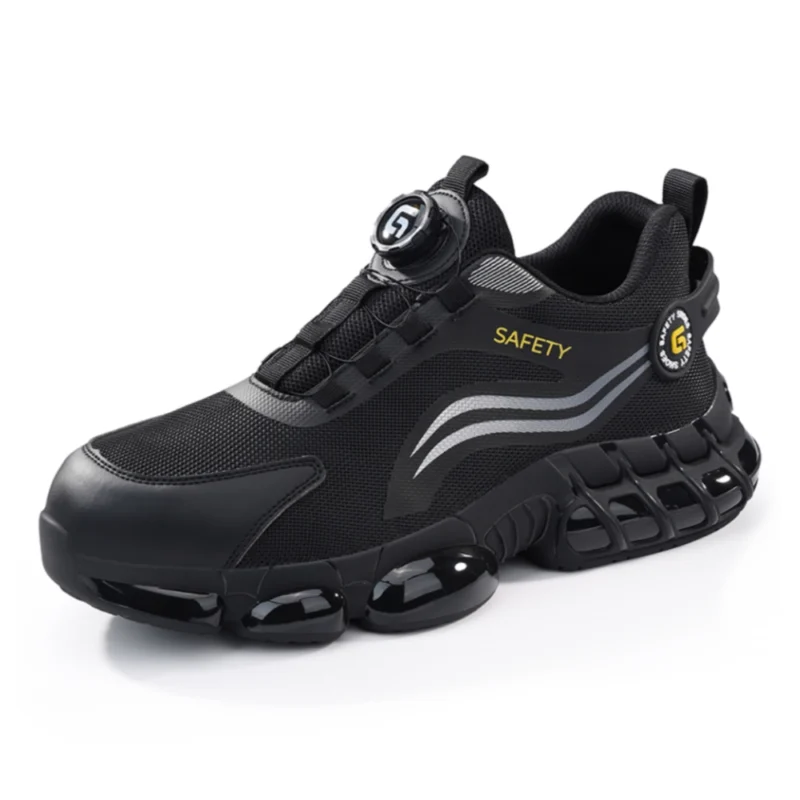
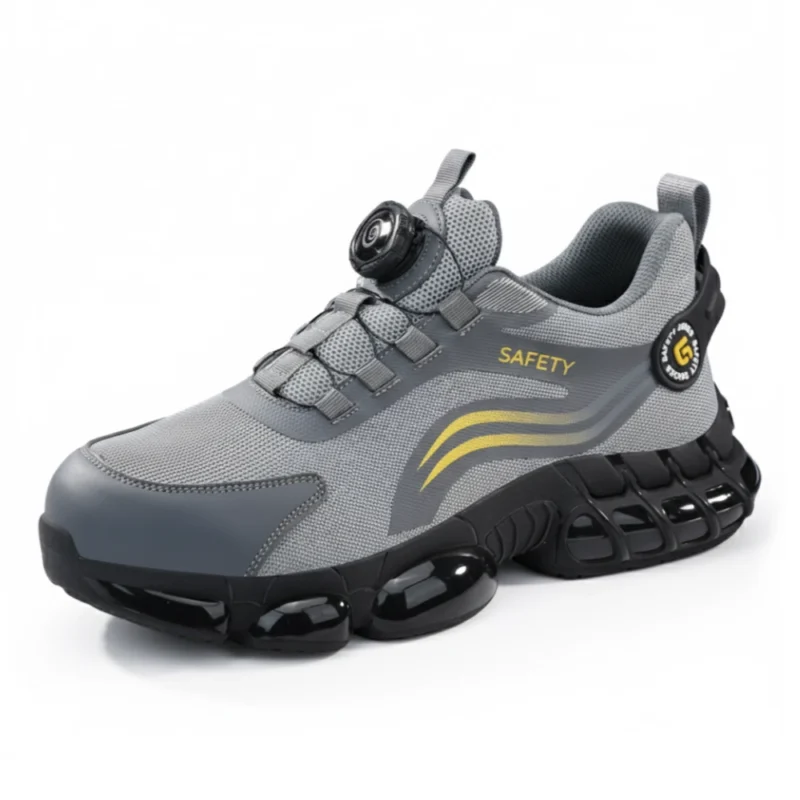
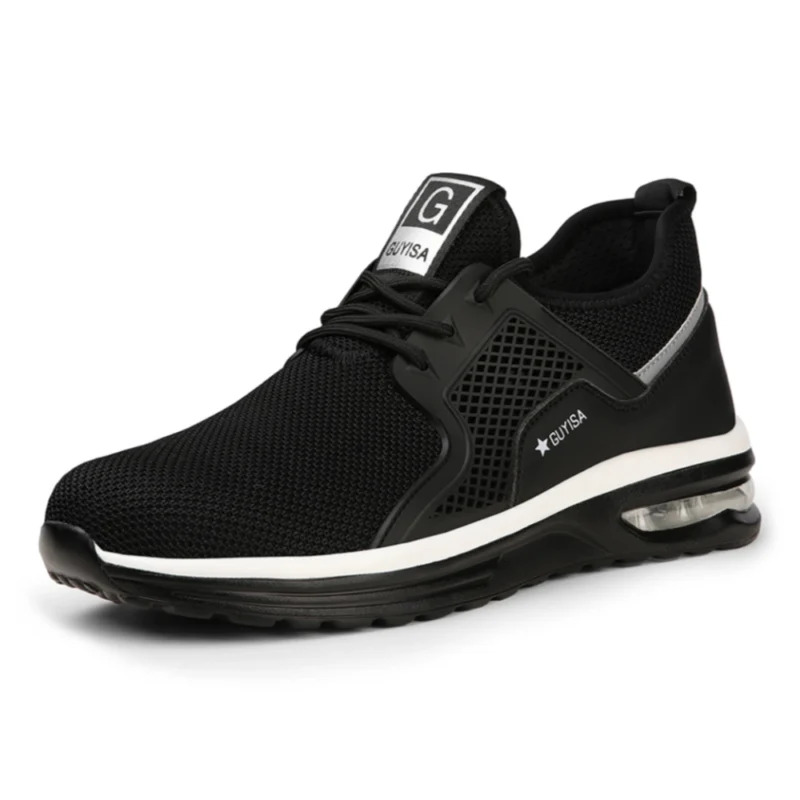
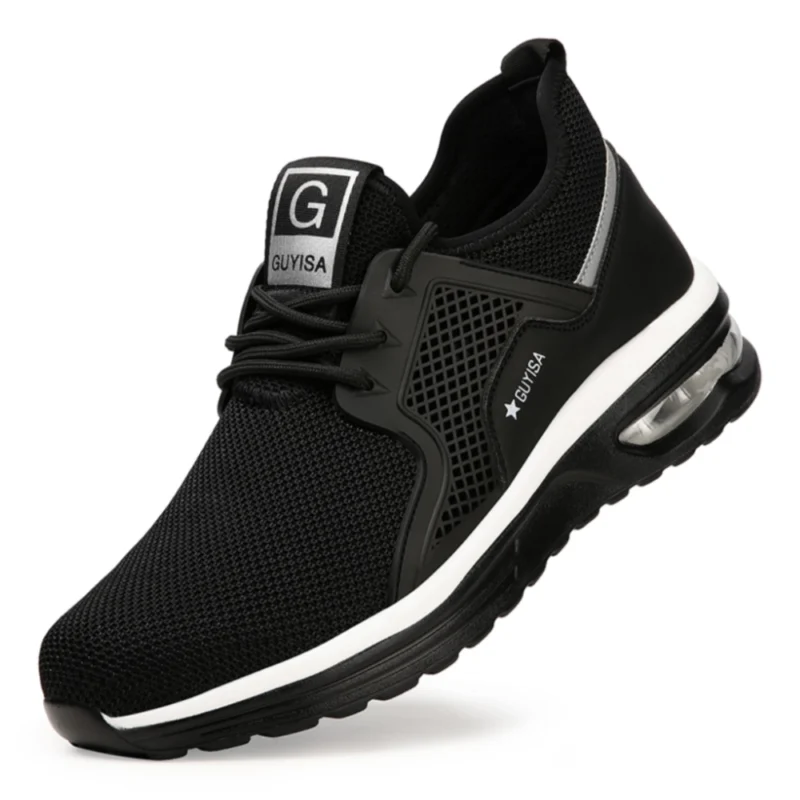
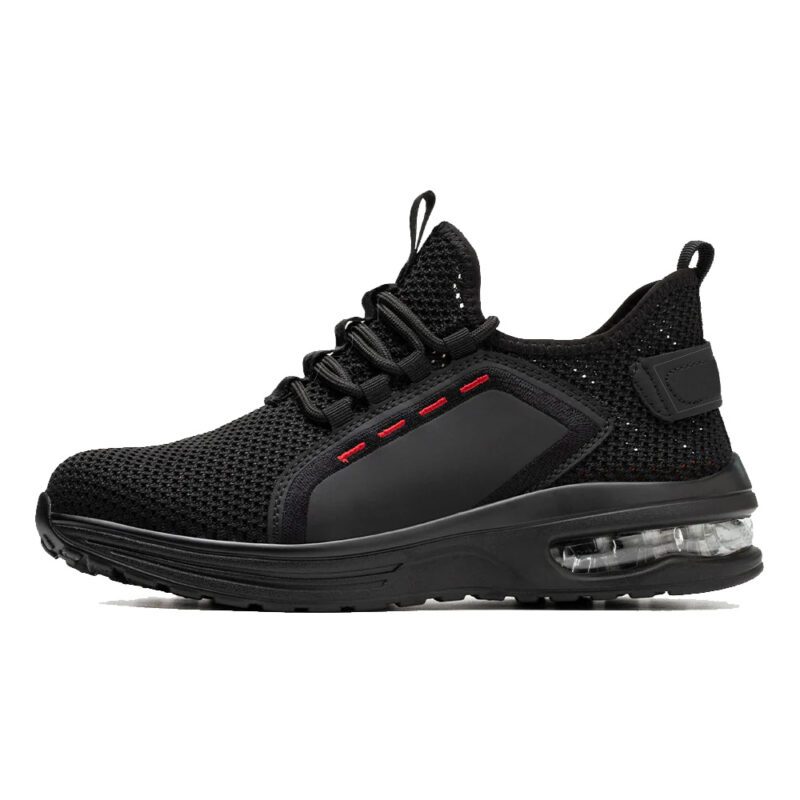
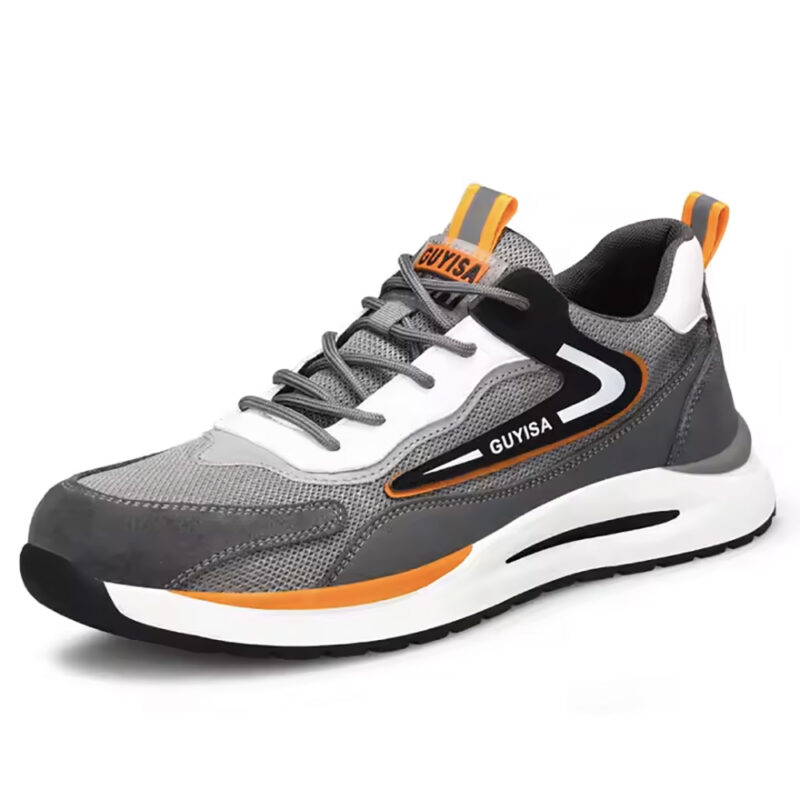
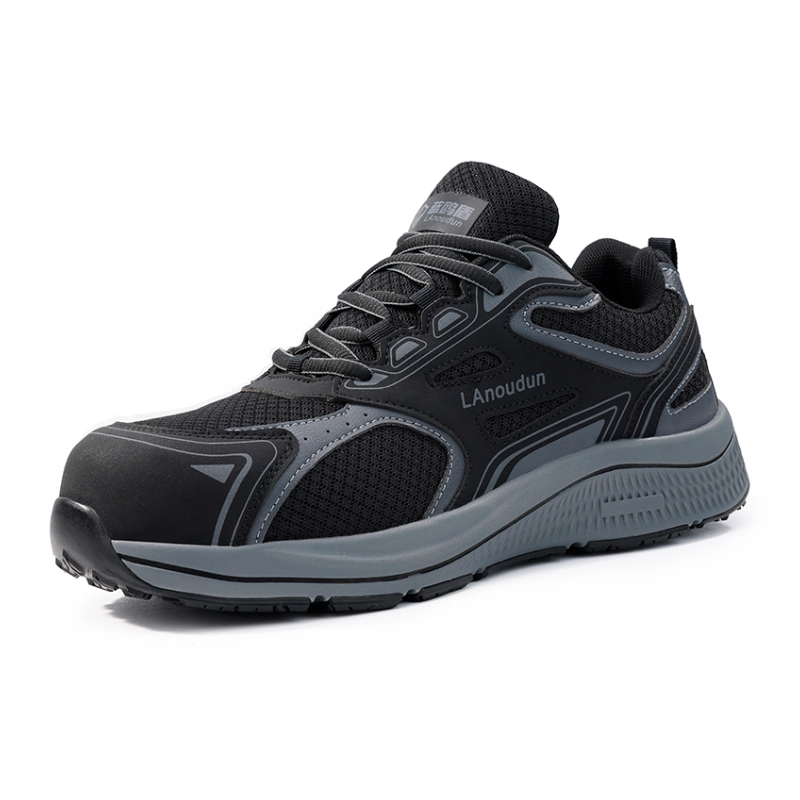
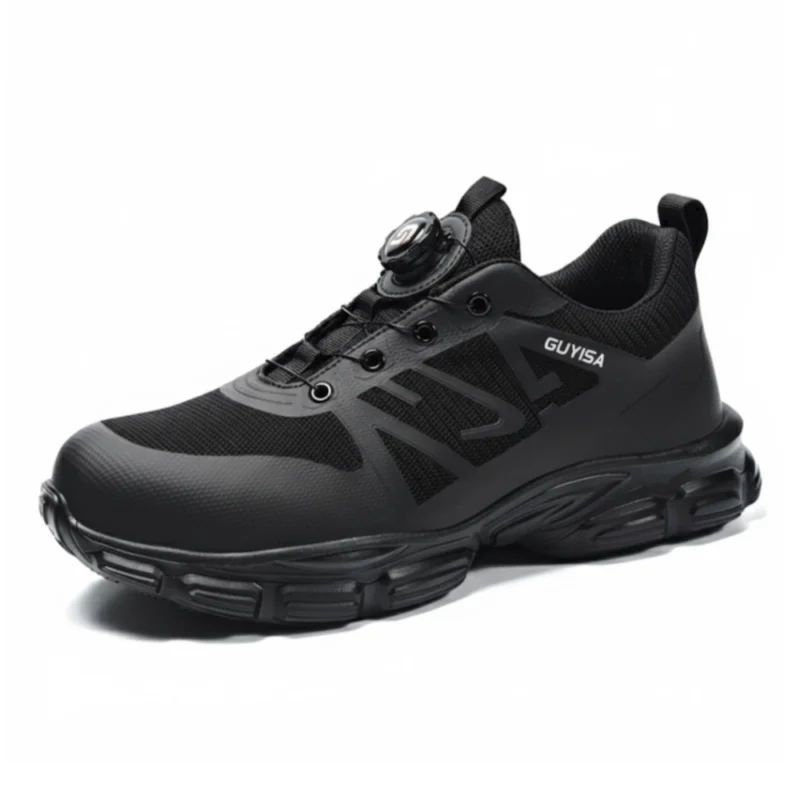
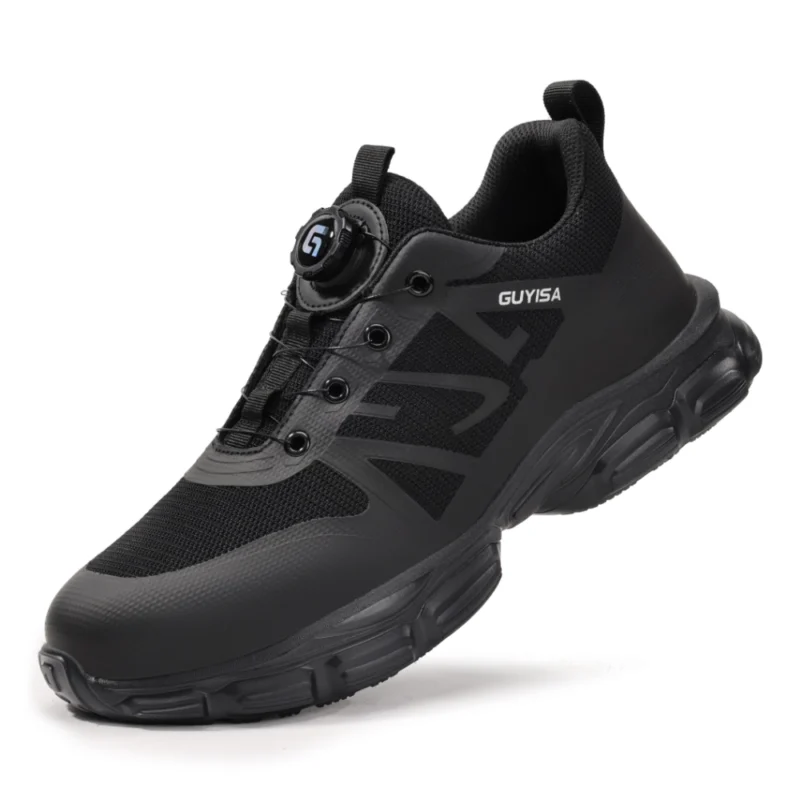
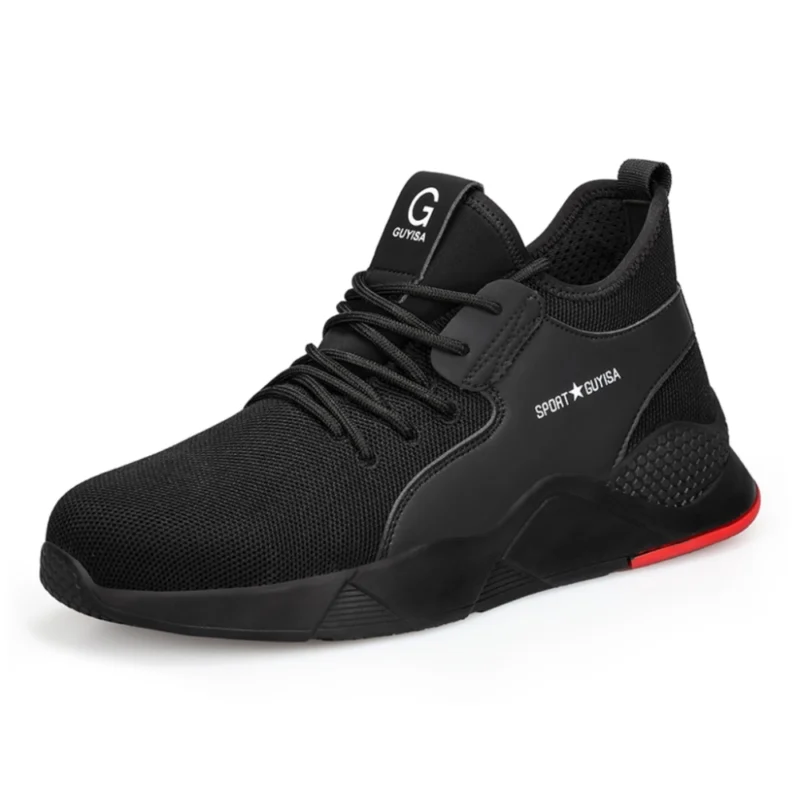
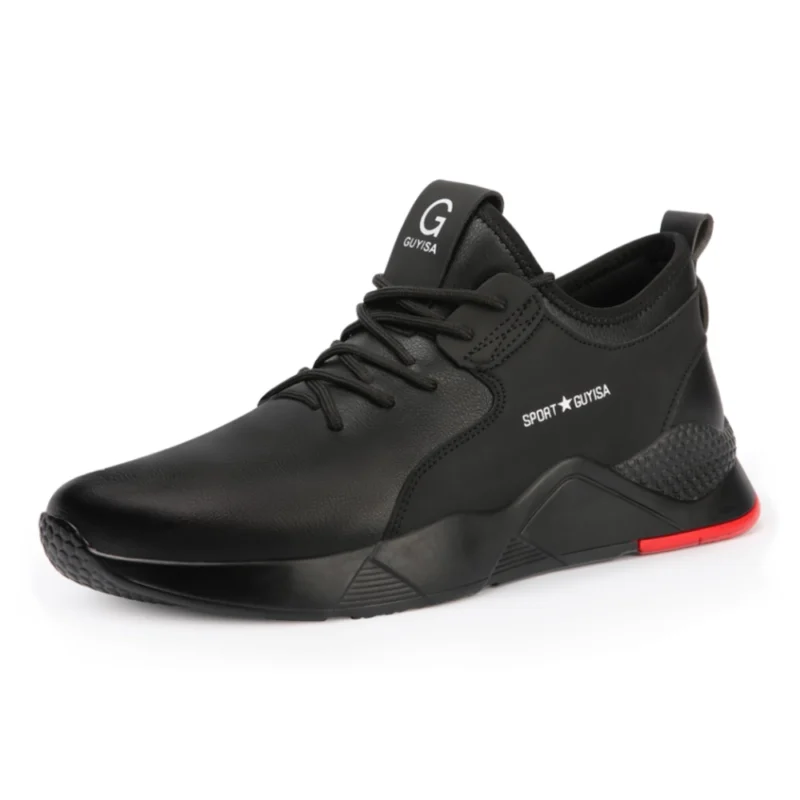
Stock Clerk Boots and Shoes: Essential Protection for Warehouse Workers
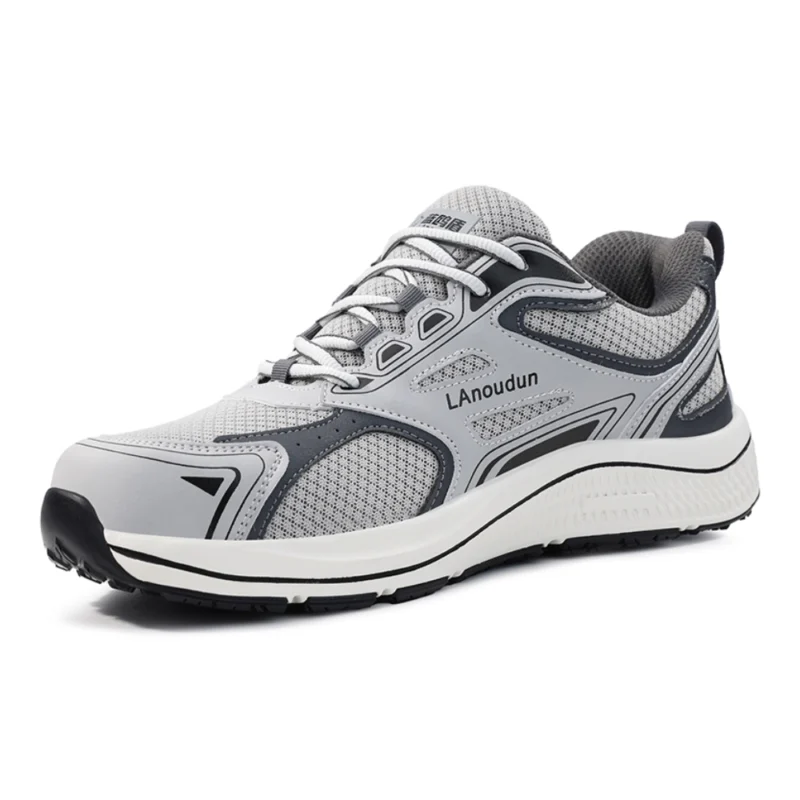
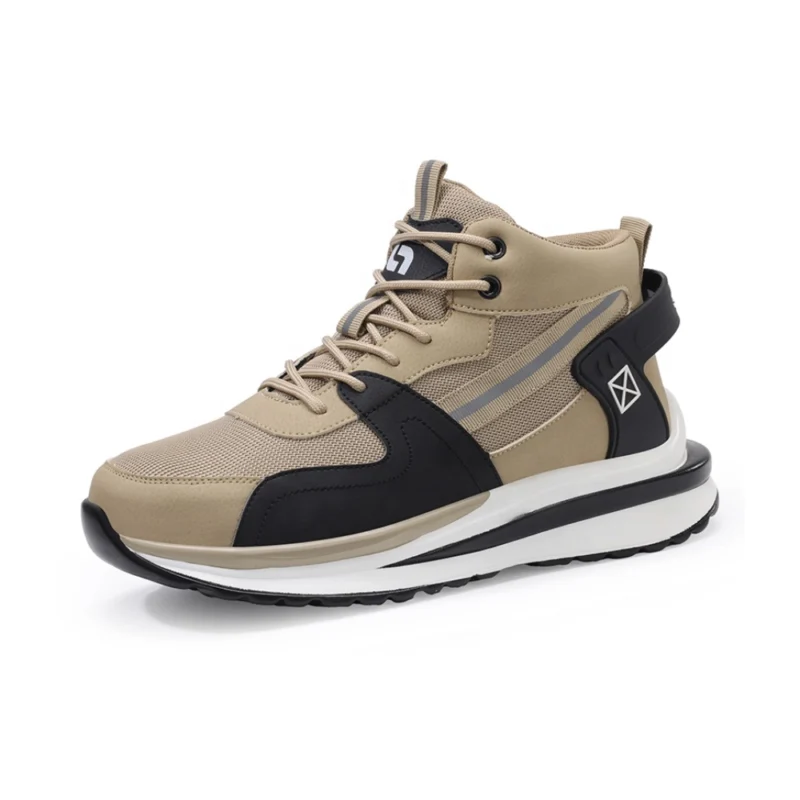
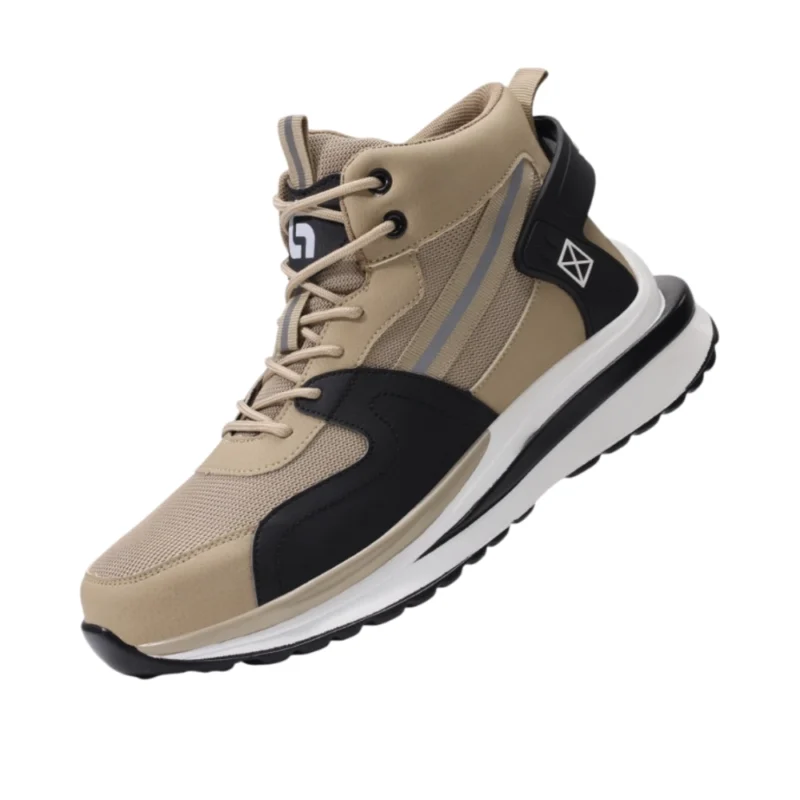
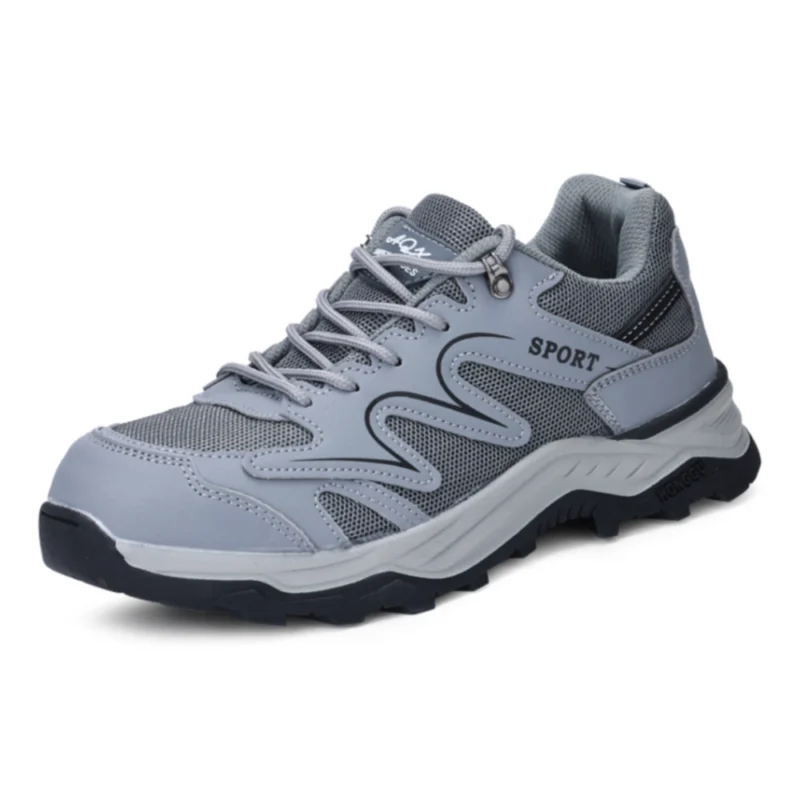
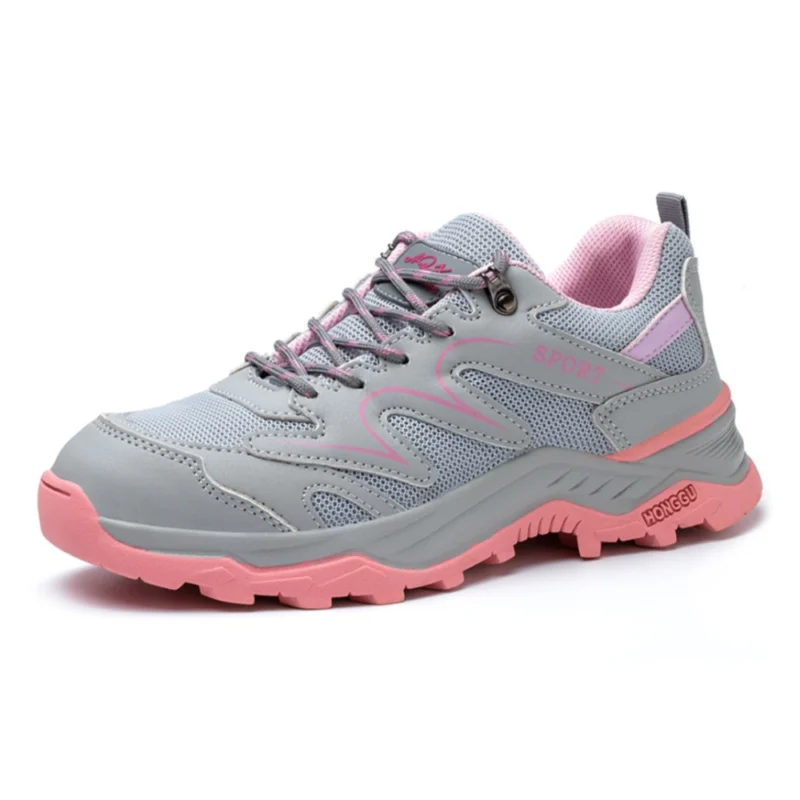
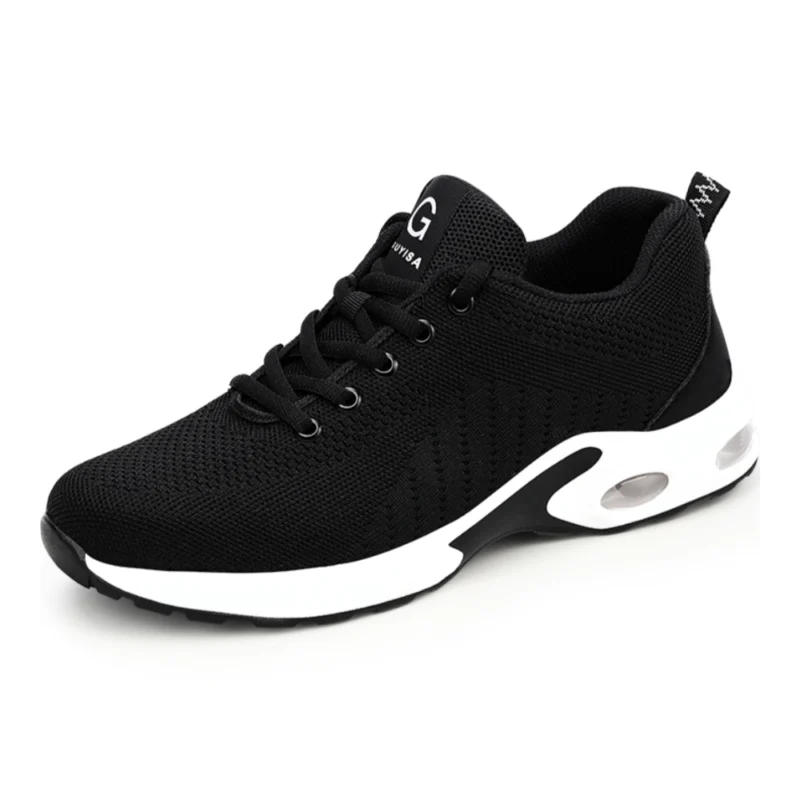
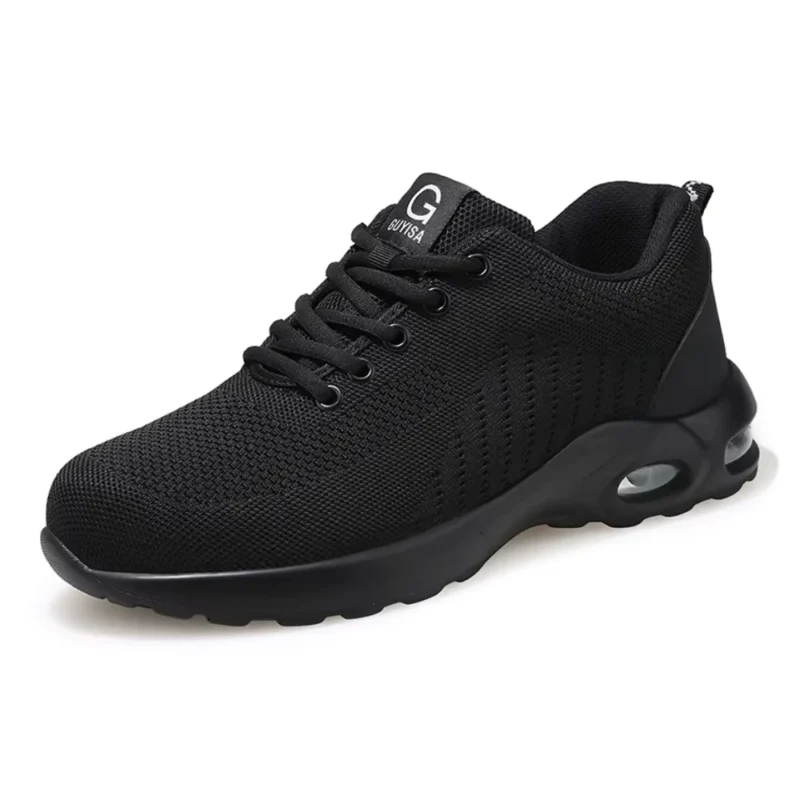
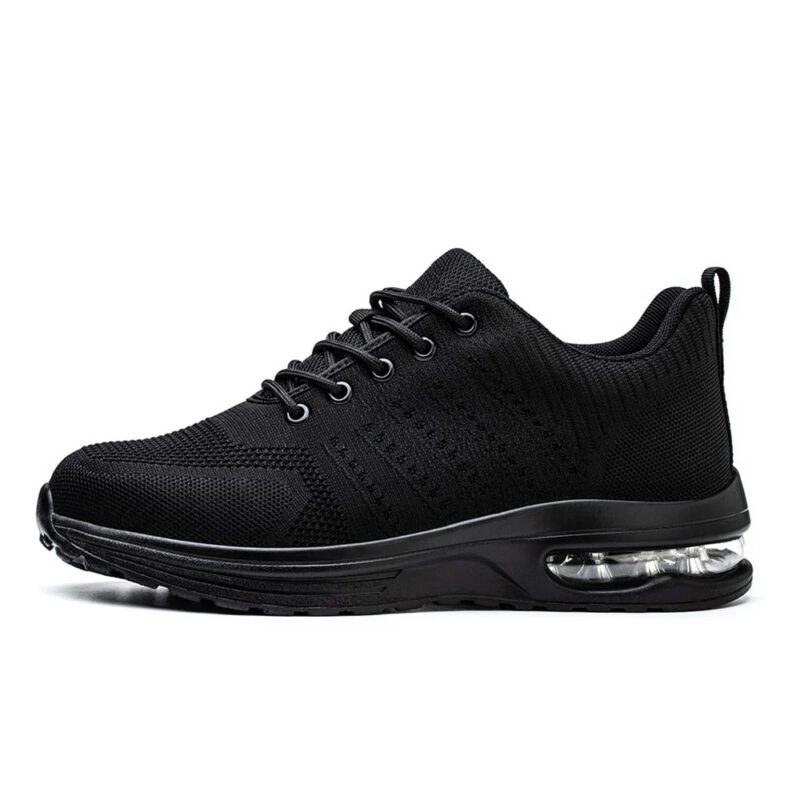
Stock clerk boots and shoes provide critical safety features for employees working in warehouse and logistics operations. These specialized footwear options protect workers from common hazards while delivering the comfort needed for long shifts. Employees who stock shelves, move inventory, and handle materials need footwear that meets both safety standards and practical demands.
Safety Features That Protect Stock Clerks
Protection starts with certified safety components built into quality footwear. Steel toe caps shield feet from heavy boxes, falling products, and equipment impacts. These reinforced areas meet ASTM safety standards and provide reliable defense against crush injuries. Composite toe options offer similar protection with lighter weight for workers who prefer reduced bulk.
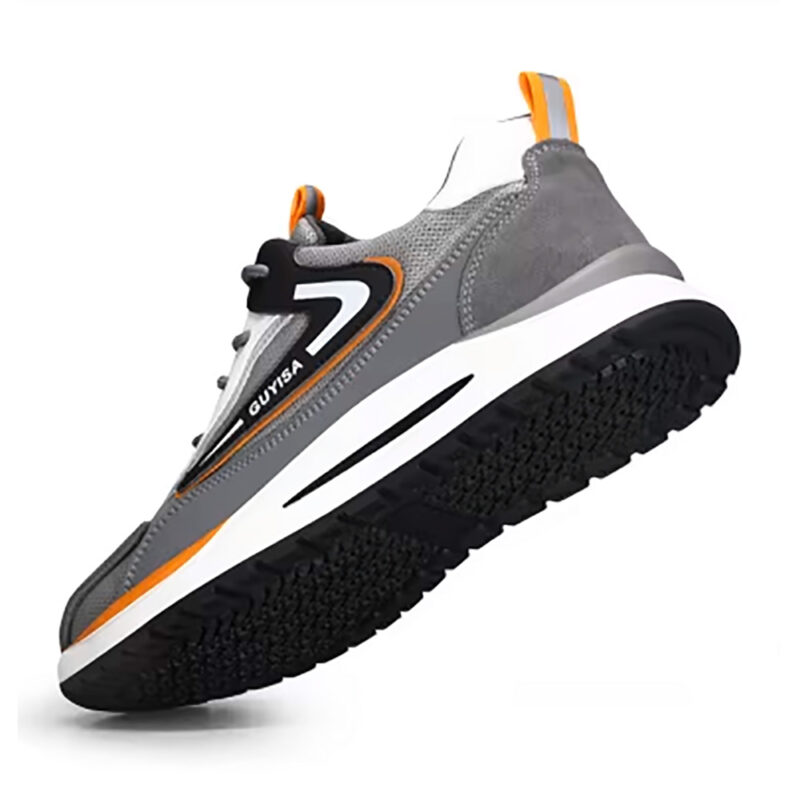
Slip-resistant outsoles address one of the most common warehouse hazards. Smooth concrete floors become dangerous when combined with spills, dust, or debris. Quality stock clerk shoes feature rubber compounds with deep tread patterns that maintain grip on various surfaces. This traction prevents falls and helps workers maintain stability while carrying loads or operating equipment.
Electrical hazard protection serves workers who use powered machinery or work near electrical systems. Insulated construction prevents dangerous current from reaching the ground through the wearer. This feature proves vital in modern warehouses filled with conveyor systems, forklifts, and automated equipment.
Comfort Elements in Stock Clerk Footwear
Extended shifts demand footwear that supports worker comfort and reduces fatigue. Cushioned insoles absorb impact from constant walking and standing on hard surfaces. Memory foam and gel padding distribute pressure across the foot and prevent hot spots that cause discomfort. Arch support maintains proper foot alignment and reduces strain on legs and lower back.
Breathable materials control moisture and temperature inside stock clerk boots. Mesh panels and moisture-wicking linings pull sweat away from skin and allow air circulation. Dry feet resist blisters, fungal infections, and odor problems that affect workers in warm warehouse environments.
Ankle support benefits employees who navigate uneven surfaces, climb ladders, or work on loading docks. High-top designs stabilize joints and reduce the risk of sprains during sudden movements. This support becomes especially important when workers carry heavy items or move quickly through crowded aisles.
Durability for Demanding Work Environments
Stock clerk shoes must withstand harsh conditions that destroy ordinary footwear quickly. Leather uppers resist abrasion from contact with pallets, shelving units, and cardboard boxes. Reinforced stitching at stress points prevents seam failures that lead to premature replacement. Oil-resistant outsoles maintain performance when exposed to hydraulic fluids, lubricants, and industrial chemicals common in warehouse settings.
Quality construction extends footwear life and reduces replacement costs. Workers benefit from boots that maintain their protective features through months of heavy use. Resoleable designs allow repair rather than replacement when treads wear down.
Choosing the Right Stock Clerk Footwear
Proper selection matches footwear features to specific job requirements. Workers in refrigerated areas need insulated stock clerk boots that retain warmth. Employees handling electronics require static-dissipative properties that prevent damage to sensitive components. Those operating powered equipment benefit from metatarsal guards that extend protection beyond the toes.
Fit determines comfort and safety effectiveness. Boots that are too tight cause pain and circulation problems. Loose footwear creates blisters and reduces stability. Workers should try stock clerk shoes with the socks they wear during shifts and test them by walking, squatting, and simulating work movements.
Investment in quality stock clerk boots pays dividends through reduced injuries, improved comfort, and enhanced productivity. Workers equipped with appropriate footwear perform better and experience fewer health problems related to inadequate foot protection.