Did Your Boots Stop Working Meaning

Understanding the “Did Your Boots Stop Working” Question
The phrase “did your boots stop working” appears frequently in online searches and conversations about footwear problems. This question means your boots no longer perform their basic functions. The boots may have structural damage, lost waterproofing, developed separation between parts, or simply worn out beyond repair.
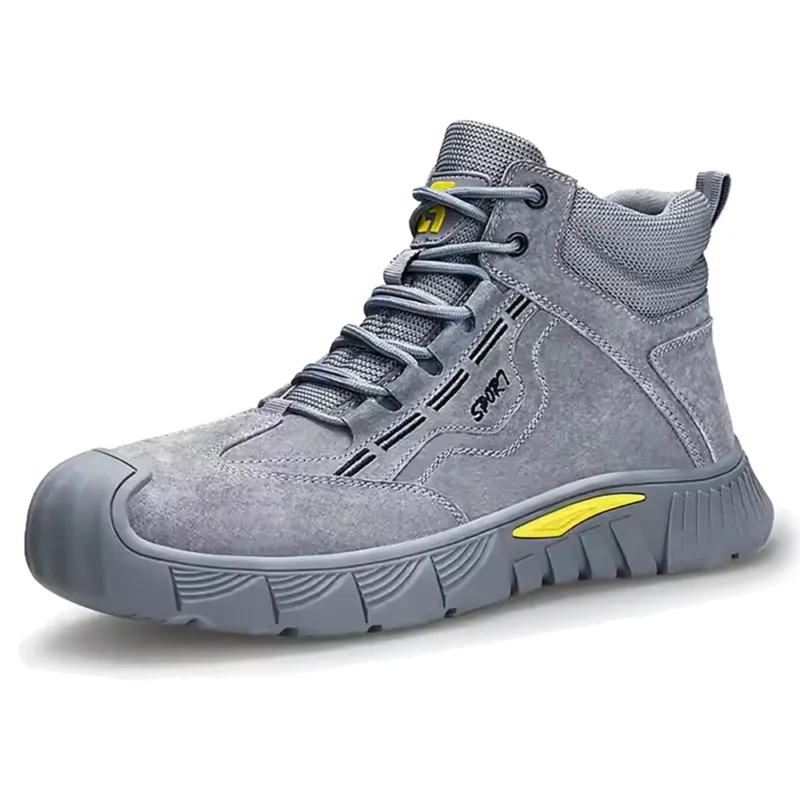
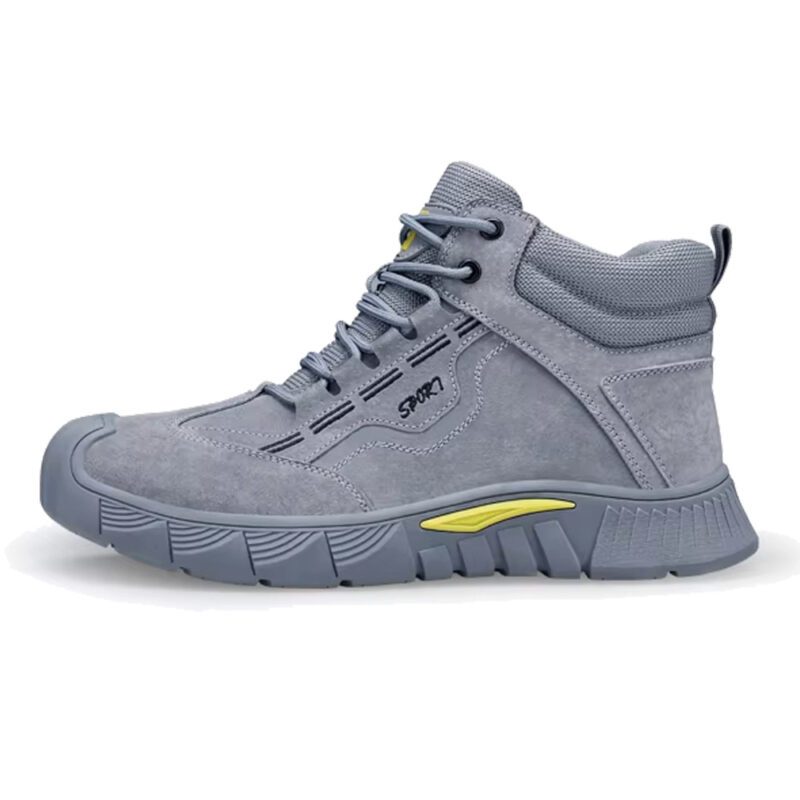
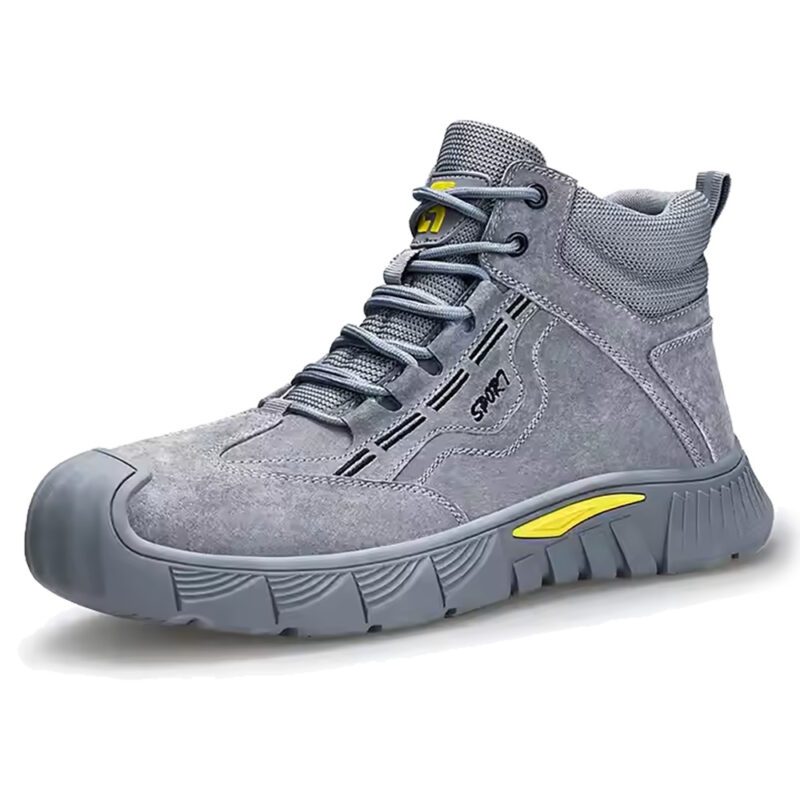
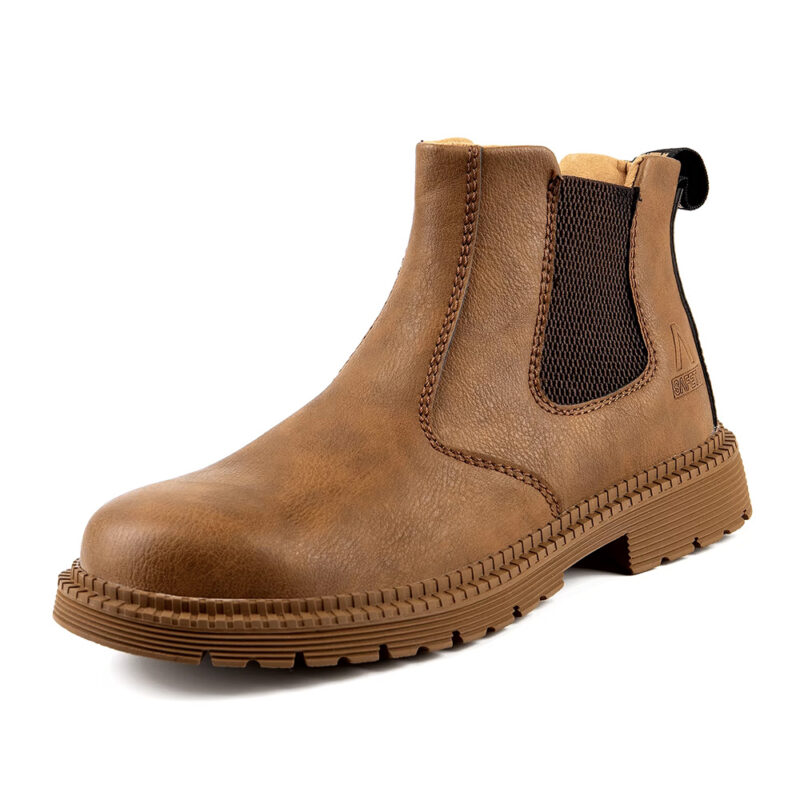
When your workday involves heavy machinery, falling objects, and unforgiving terrain, the Birks Defender Kevlar Steel Toe Safety Work Boots stand ready to protect you through it all. These boots deliver the exceptional durability, reliable protection, and all-day comfort you need to tackle any challenge and get the job done right, every single time.
People ask this question when boots fail suddenly or gradually decline. The meaning extends beyond simple wear. It signals a breaking point where boots cannot protect feet, provide comfort, or maintain safety standards.
Common Ways Boots “Stop Working”
Boots fail in specific, measurable ways. Understanding these failure modes helps identify problems early.
Sole Separation
Sole detachment represents the most dramatic boot failure. The outsole pulls away from the upper material. This happens when adhesives break down or stitching fails. Boots with separated soles cannot keep water out or provide traction.
Sole separation occurs due to:
- Age-related adhesive degradation
- Exposure to extreme temperatures
- Chemical contact from oils or solvents
- Manufacturing defects in bonding
- Excessive stress on attachment points
Waterproofing Failure
Boots marketed as waterproof lose this property over time. Membrane breakdown allows water to penetrate. Your feet get wet during rain or snow exposure. This failure mode affects hiking boots, work boots, and winter boots most severely.
Signs of waterproofing failure include:
- Damp socks after short exposure
- Water stains on interior leather
- Visible cracks in waterproof coating
- Delamination of waterproof membranes
- Loss of water beading on surface
Structural Collapse
The boot upper loses its shape and support. Ankle support disappears when internal structures break down. The boot counter (heel cup) becomes soft. Side walls collapse inward. This failure makes boots dangerous for work or hiking.
Insulation Breakdown
Winter boots lose thermal protection. The insulation compresses or shifts inside the boot. Feet feel cold despite thick boot construction. This problem affects boots exposed to repeated wet-dry cycles.
The History Behind Boot Construction and Failure
Boot manufacturing evolved significantly over 150 years. Understanding this history explains why modern boots fail differently than historical footwear.
Traditional Boot Construction (1850-1950)
Early boots used full-grain leather and Goodyear welt construction. Cobblers stitched soles to uppers using welt strips. These boots lasted decades with proper care. Failure meant worn-through leather or broken stitching. Repairs were straightforward.
Traditional construction methods:
- Hand-stitched leather uppers
- Oak-tanned leather soles
- Cork midsole filler
- Brass or iron hardware
- Minimal adhesives
Modern Manufacturing (1950-Present)
Cement construction became dominant after 1950. Manufacturers glue soles to uppers using synthetic adhesives. This method costs less and speeds production. However, adhesive bonds eventually fail.
The introduction of synthetic materials changed boot durability:
- PU (polyurethane) midsoles: Lightweight but degrade after 5-7 years
- EVA (ethylene vinyl acetate) cushioning: Compresses permanently
- Synthetic waterproof membranes: Effective but fragile
- Rubber compounds: Vary widely in durability
- Composite toe caps: Replace steel but crack under impact
Technical Specifications That Determine Boot Longevity
Specific construction details predict how long boots will work properly.
Sole Attachment Methods
| Construction Type | Durability | Repairability | Typical Lifespan |
|---|---|---|---|
| Goodyear Welt | Excellent | Fully repairable | 10-20+ years |
| Blake Stitch | Very Good | Repairable | 5-10 years |
| Cement/Glued | Good | Limited | 2-5 years |
| Direct Attach | Fair | Not repairable | 1-3 years |
| Injection Molded | Poor | Not repairable | 1-2 years |
Material Quality Indicators
Upper leather grade directly affects longevity. Full-grain leather contains complete hide structure. Top-grain leather has surface buffed. Genuine leather uses lower hide layers. Split leather represents the weakest option.
Leather thickness matters:
- Work boots: 2.0-3.0mm leather minimum
- Hiking boots: 1.8-2.4mm leather optimal
- Fashion boots: 1.0-1.6mm leather common
- Premium boots: Single-piece upper construction
Hardware Durability
Metal components fail predictably. Brass eyelets resist corrosion better than steel. YKK zippers outlast generic brands. Speed hooks bend or break under stress. Buckles crack when made from zinc alloy.
User Benefits of Understanding Boot Failure
Knowing failure patterns saves money and prevents injury.
Safety Protection
Boots that stop working create hazards. Separated soles cause slips. Collapsed ankle support leads to sprains. Lost waterproofing results in frostbite during winter. Recognizing failure signs prevents accidents.
Financial Planning
Understanding boot lifespan enables budget planning. A $300 Goodyear welt boot lasting 15 years costs $20 annually. A $100 cemented boot lasting 3 years costs $33 annually. Quality construction provides better value.
Performance Optimization
Different activities demand specific boot features. Hiking requires ankle support and traction. Construction work needs toe protection and puncture resistance. Identifying your primary use case guides selection.
When your workday involves heavy machinery, falling objects, and unforgiving terrain, the Birks Defender Kevlar Steel Toe Safety Work Boots stand ready to protect you through it all. These boots deliver the exceptional durability, reliable protection, and all-day comfort you need to tackle any challenge and get the job done right, every single time.
Maintenance Strategies to Extend Boot Life
Proper care delays the moment boots stop working.
Leather Care Protocol
Condition leather every 15-20 wears. Clean off dirt and salt first. Apply leather conditioner to restore oils. Avoid over-conditioning which softens structure. Use products without petroleum or silicone.
Monthly maintenance checklist:
- Remove laces and insoles
- Brush off loose dirt
- Wipe with damp cloth
- Apply appropriate cleaner
- Let dry completely
- Condition leather surfaces
- Treat waterproof coating
- Check stitching and hardware
Drying Techniques
Never use direct heat on wet boots. High temperatures destroy leather and adhesives. Remove insoles and open boots fully. Stuff with newspaper to absorb moisture. Air dry at room temperature for 24-48 hours.
Storage Conditions
Store boots in cool, dry locations. Avoid basements and attics with temperature extremes. Keep boots away from direct sunlight. Use boot trees or stuff with paper to maintain shape. Store with buckles and laces loosened.
Signs Your Boots Have Stopped Working
Specific indicators signal boot failure requiring replacement.
Immediate Replacement Signals
Replace boots when you observe:
- Sole separation exceeding 1 inch
- Holes through waterproof membrane
- Cracked or broken toe protection
- Missing or broken safety features
- Exposed steel shank
- Complete insulation failure
Repair-or-Replace Decision Matrix
Evaluate repair costs against replacement value. Repairs costing more than 50% of replacement price make little sense. However, high-quality boots justify expensive repairs.
Resoling costs range from $80-150. This repair makes sense for boots originally costing $250+. Replacing waterproof liners costs $60-100. This works only for boots with removable liner systems.
Performance Testing
Test boots systematically before important use. Flex the sole to check adhesion. Inspect all stitching under good light. Pour water over boots to verify waterproofing. Press the toe cap to confirm protection. Wear boots for short walks to assess comfort and support.
Selection Steps to Find Longer-Lasting Boots
Choose boots that resist premature failure.
Construction Assessment
Examine sole attachment before purchase. Look for visible stitching around the welt. Feel for a recessed channel around the boot perimeter. Ask retailers about construction method. Avoid boots with “direct attach” or “injection molded” labels unless budget-constrained.
Material Verification
Check leather quality by feeling and flexing. Full-grain leather shows natural grain patterns. Look for consistent thickness. Avoid leather with plastic-like surface coating. Test zippers and hardware for smooth operation.
Fit Prioritization
Proper fit extends boot life. Boots should allow toe wiggle room. The heel should lift slightly when walking. Width should match your foot without pinching. Try boots with intended sock thickness. Walk on inclines to test heel hold.
Brand Research
Research manufacturer reputation and warranty terms. Companies standing behind products for 5+ years typically build better boots. Read independent reviews focusing on long-term durability. Check if the brand offers repair services.
Price-Value Analysis
Set realistic budget expectations:
- Budget tier ($50-100): 1-2 years expected life
- Mid-range ($100-200): 2-4 years with care
- Premium ($200-400): 5-10 years with maintenance
- Heritage ($400+): 10-20 years with resoling
The Bottom Line on Boot Failure
The phrase “did your boots stop working” indicates your footwear reached functional failure. Boots stop working through sole separation, waterproofing loss, structural collapse, or material breakdown. Understanding construction methods, material quality, and maintenance practices extends boot life significantly.
Choose boots with Goodyear welt or Blake stitch construction for maximum longevity. Invest in full-grain leather uppers. Maintain boots through regular cleaning and conditioning. Store properly between uses. Replace boots when safety features fail or repairs exceed replacement value.
Quality boots cost more initially but provide superior long-term value. A well-constructed boot, properly maintained, serves reliably for years before “stopping work.”
When your workday involves heavy machinery, falling objects, and unforgiving terrain, the Birks Defender Kevlar Steel Toe Safety Work Boots stand ready to protect you through it all. These boots deliver the exceptional durability, reliable protection, and all-day comfort you need to tackle any challenge and get the job done right, every single time.