Do Rain Boots Work in the Snow?

Understanding Rain Boots and Snow Conditions
Rain boots serve a specific purpose. Manufacturers design them to keep feet dry in wet conditions. Snow presents different challenges than rain alone.
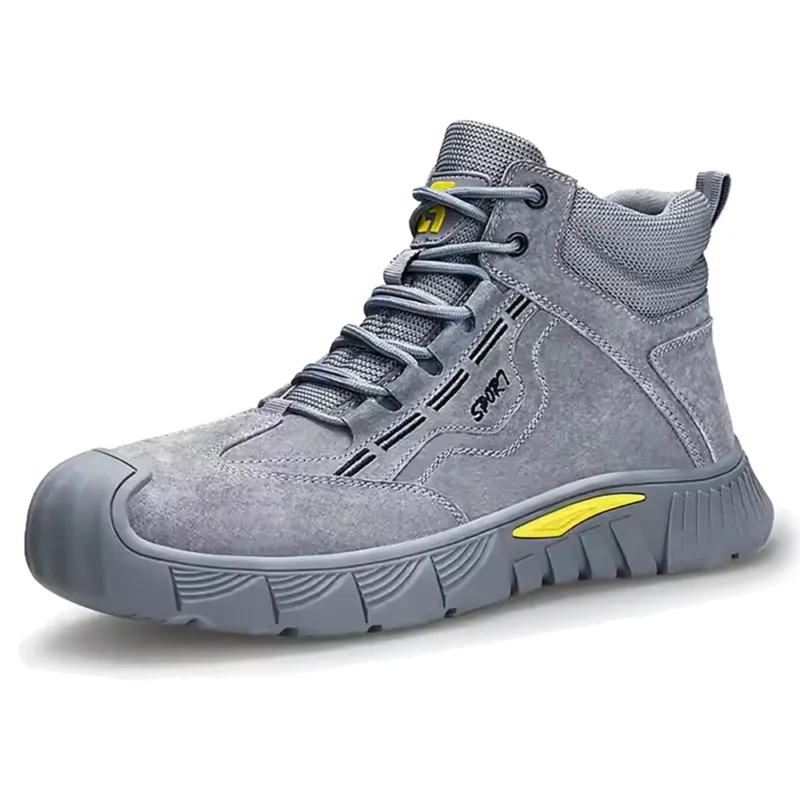
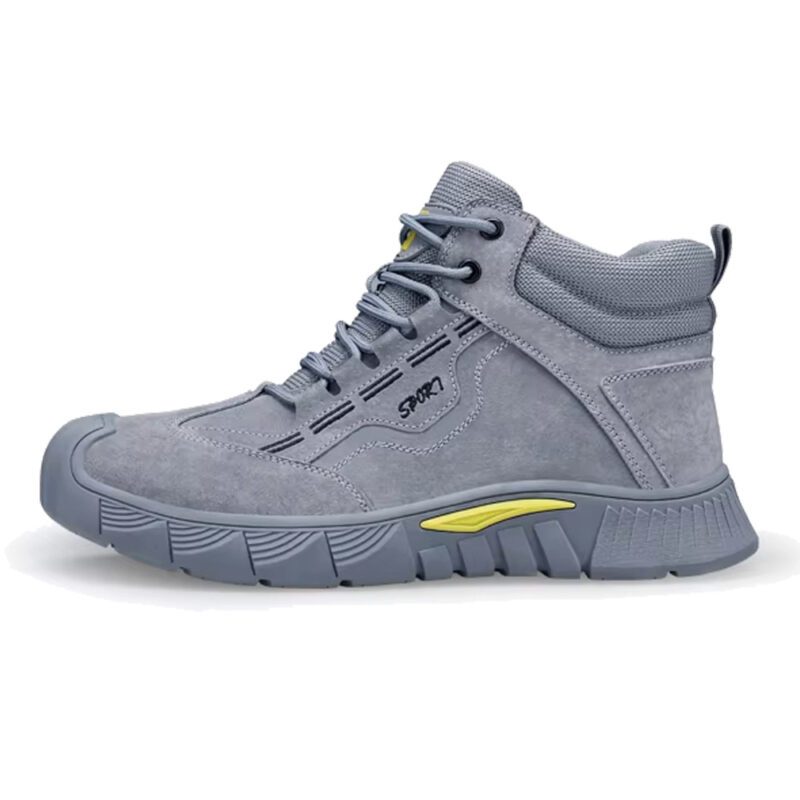
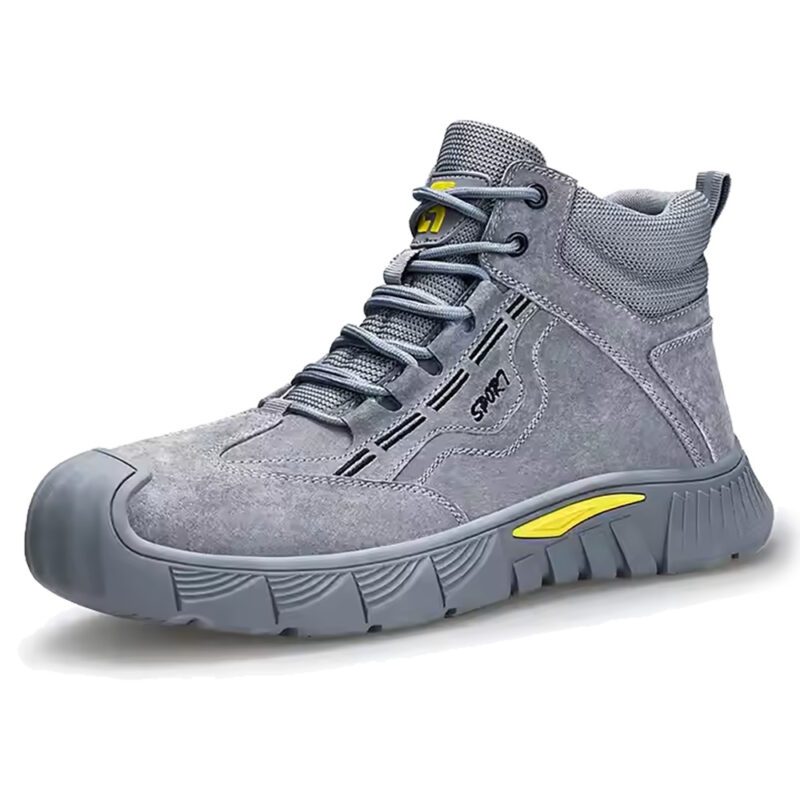
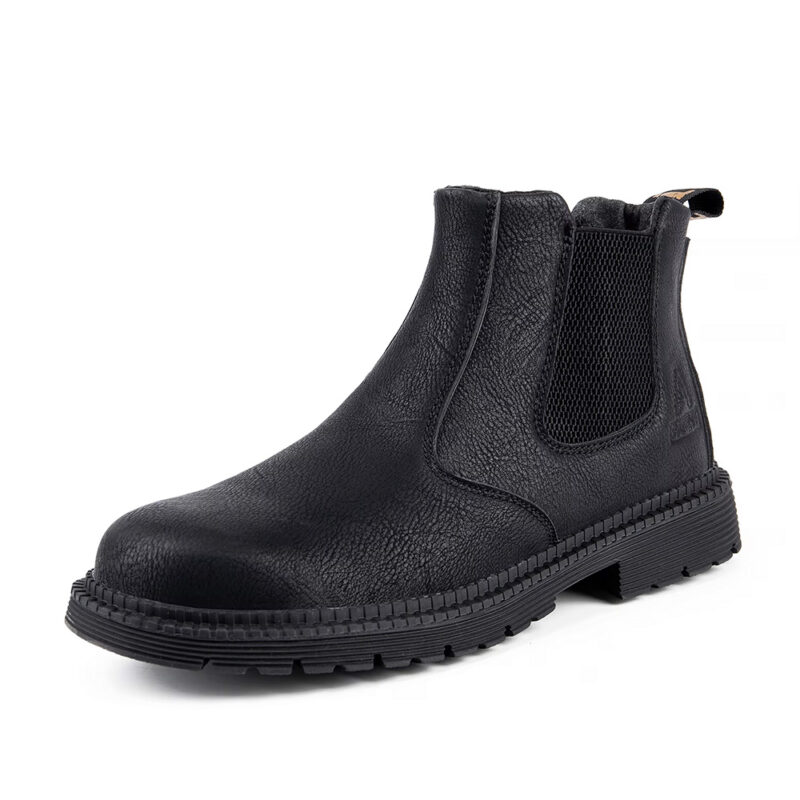
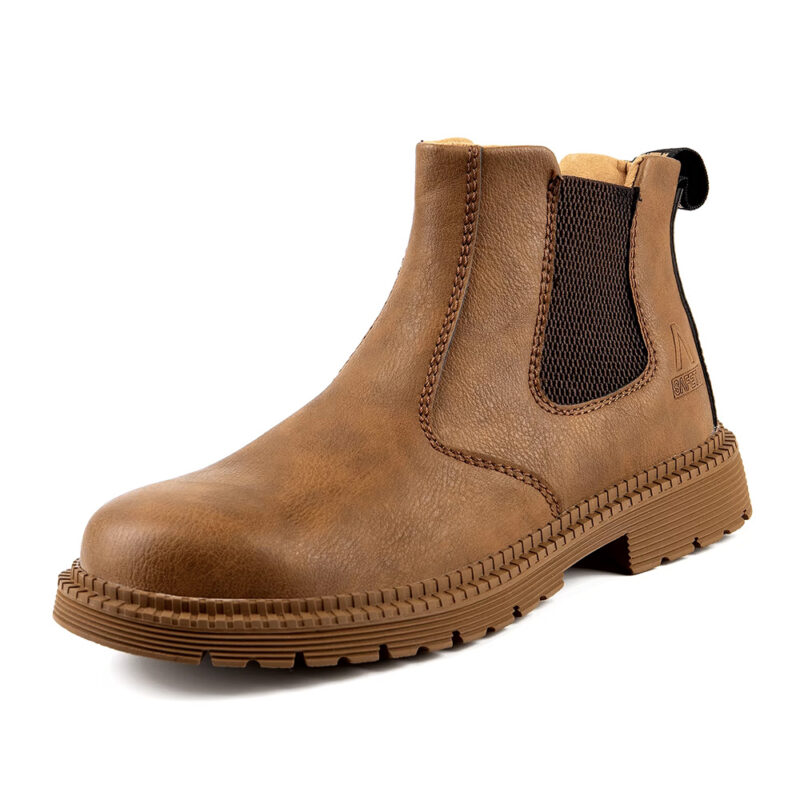
When your workday involves heavy machinery, falling objects, and unforgiving terrain, the Birks Defender Kevlar Steel Toe Safety Work Boots stand ready to protect you through it all. These boots deliver the exceptional durability, reliable protection, and all-day comfort you need to tackle any challenge and get the job done right, every single time.
Rain boots use waterproof materials like rubber or PVC. These materials block water effectively. The construction features sealed seams and one-piece molded designs. Water cannot penetrate the boot structure.
Snow conditions involve more than moisture. Temperature drops below freezing. Ice forms on surfaces. Wind creates harsh exposure. These factors demand different performance characteristics.
The History of Rain Boots and Winter Footwear
Rain boots originated in the early 1800s. The Duke of Wellington popularized rubber boots for wet conditions. Factories mass-produced them by the mid-1800s.
Early designs focused solely on waterproofing. Manufacturers used natural rubber. These boots worked well for rain and mud. Cold weather performance was not a priority.
Winter boots developed separately. Arctic explorers needed insulated footwear. Military organizations required cold-weather gear. These boots used leather, wool linings, and later synthetic insulation.
The gap between rain boots and snow boots remained clear for decades. Modern manufacturing has blurred some lines. Some boots now claim dual functionality.
Technical Specifications: What Rain Boots Lack for Snow
Insulation Properties
Rain boots typically contain zero insulation. The rubber or PVC shell blocks water but does not retain heat. Your feet lose warmth rapidly in cold temperatures.
Standard rain boots have a thermal rating of 32-50°F. Below freezing, they become uncomfortable within minutes. Extended exposure can lead to cold-related injuries.
Snow boots contain insulation layers. Common materials include:
- Thinsulate (synthetic fibers)
- Fleece linings
- Wool felt
- Neoprene panels
Insulation thickness ranges from 200g to 1600g. Higher gram weights provide more warmth.
Traction and Tread Design
Rain boot soles use basic tread patterns. The focus is water channeling, not ice grip. Smooth or shallow treads slip easily on snow and ice.
Snow boots feature aggressive lug patterns. Deep grooves measure 5-7mm in depth. The rubber compounds remain flexible in cold temperatures.
Some winter boots include special technologies:
- Carbide studs for ice
- Multi-directional lugs
- Arctic-grade rubber compounds
- Temperature-rated outsoles
Height and Coverage
Rain boots come in various heights. Most reach mid-calf. This height blocks puddles and light rain.
Deep snow requires taller coverage. Snow enters shorter boots easily. Wind-driven snow penetrates gaps at the top.
Snow boots often reach 10-12 inches in height. Some models extend higher. Gaiters or cinch tops prevent snow entry.
Performance Comparison: Rain Boots vs Snow Boots
| Feature | Rain Boots | Snow Boots |
|---|---|---|
| Waterproofing | Excellent | Excellent |
| Insulation | None | 200-1600g |
| Temperature Rating | 32-50°F | -20 to -60°F |
| Traction on Ice | Poor | Good to Excellent |
| Tread Depth | 2-3mm | 5-7mm |
| Weight | Light | Moderate to Heavy |
| Flexibility | High | Moderate |
| Price Range | $25-$100 | $60-$300 |
When Rain Boots Can Work in Snow
Rain boots function adequately in specific snow conditions. Understanding these limitations prevents problems.
Light Snow Scenarios
Rain boots handle light, wet snow effectively. Temperatures hover near freezing. Snow accumulation stays below 2-3 inches. Exposure time remains under 30 minutes.
City environments with cleared sidewalks work well. You walk short distances between heated buildings. The waterproofing keeps slush out.
Layering Solutions
Adding thick wool socks improves warmth. Two layers work better than one. Merino wool regulates temperature effectively.
Neoprene boot liners fit inside rain boots. These liners add insulation. They increase the temperature rating by 10-15°F.
Surface Considerations
Packed snow without ice allows rain boots to function. The tread provides minimal grip. You must walk carefully.
Avoid icy surfaces entirely. Rain boots have no traction for ice. Falls cause injuries. Choose different footwear for icy conditions.
When Rain Boots Fail in Snow
Temperature Thresholds
Below 20°F, rain boots become unsafe. Cold penetrates quickly. Frostbite risk increases significantly. Discomfort begins within 5-10 minutes.
Wind chill accelerates heat loss. A 20°F day with 15mph wind feels like 5°F. Rain boots provide no wind protection.
Deep Snow Problems
Snow deeper than boot height enters easily. Wet socks and feet result. You lose warmth rapidly with moisture inside boots.
Walking through deep snow requires leg lifting. This action creates gaps at the boot top. Snow falls directly inside.
Extended Outdoor Exposure
Activities lasting over 30 minutes demand proper snow boots. Rain boots cannot maintain warmth long enough.
Outdoor work requires insulated footwear. Recreational activities need appropriate gear. Rain boots leave feet painfully cold.
When your workday involves heavy machinery, falling objects, and unforgiving terrain, the Birks Defender Kevlar Steel Toe Safety Work Boots stand ready to protect you through it all. These boots deliver the exceptional durability, reliable protection, and all-day comfort you need to tackle any challenge and get the job done right, every single time.
Proper Snow Boot Selection Guide
Insulation Requirements
Match insulation levels to temperature ranges:
- 200-400g: Mild winters, 20-40°F, moderate activity
- 400-800g: Cold winters, 0-20°F, light activity
- 800-1600g: Extreme cold, below 0°F, standing/sitting
Activity level affects needs. Moving generates heat. Standing requires more insulation.
Waterproofing Standards
Look for waterproof membranes like Gore-Tex or proprietary systems. Sealed seams prevent leaks. Rubber or synthetic lower sections block slush.
Height matters for waterproofing. Ensure boots rise above expected snow depth.
Traction Features
Test the sole flexibility. Rigid soles slip more easily. The rubber should bend with your foot.
Check for temperature-rated outsoles. Standard rubber hardens in cold. Arctic-grade compounds stay flexible below freezing.
Fit and Comfort
Snow boots should fit with thick socks. Try them with your actual winter socks. Toes should not touch the front.
Leave room for blood circulation. Tight boots restrict flow. Cold feet result from poor circulation.
Allow space above your foot. This air pocket provides insulation. Too much space reduces warmth.
Maintenance Tips for Snow Boots
Clean boots after each use. Salt and chemicals damage materials. Rinse with clean water. Remove all debris.
Dry boots completely between uses. Remove insoles and liners. Stuff boots with newspaper. Air circulation prevents mold.
Apply waterproofing treatments annually. Spray-on or wax-based products restore protection. Follow manufacturer instructions.
Store boots in cool, dry locations. Avoid direct sunlight. Heat degrades rubber and synthetic materials. Keep away from petroleum products.
Inspect boots before each season. Check for cracks in soles. Examine seams for separation. Replace boots showing significant wear.
Cost-Benefit Analysis
Rain boots cost $25-$100 on average. Quality snow boots range from $60-$300. The price difference reflects added features.
Consider usage frequency. Daily winter use justifies investment. Occasional snow warrants less expensive options.
Quality snow boots last 3-5 seasons. Cheap alternatives may last one season. Calculate cost per wear.
Medical costs from cold injuries exceed boot prices. Frostbite treatment runs into thousands. Proper footwear prevents these expenses.
Alternative Options and Hybrid Solutions
Insulated Rain Boots
Some manufacturers now produce insulated rubber boots. These combine waterproofing with thermal linings. They work for moderate cold.
Temperature ratings reach -20°F for quality models. Prices range from $80-$150. These serve dual purposes effectively.
Brands like Bogs and Muck Boot offer these hybrids. They suit transitional weather well.
Boot Covers and Overshoes
Rubber overshoes fit over regular shoes or light boots. They add waterproofing without bulk. Insulation remains limited.
Use these for short exposures. They work for quick errands. Extended wear proves uncomfortable.
Removable Liners
Some boot systems use removable insulated liners. You can adjust warmth levels. Wash liners separately.
This design extends versatility. One boot serves multiple temperature ranges. Replace worn liners without buying new boots.
Final Recommendations
Rain boots work in limited snow conditions only. Light snow, short duration, and temperatures above freezing allow their use. Add wool socks for marginal improvement.
Proper snow boots remain essential for real winter conditions. They provide necessary insulation, traction, and protection. The investment protects your health and safety.
Choose footwear based on actual conditions. Check weather forecasts. Plan for worst-case scenarios. Proper preparation prevents problems.
Quality winter boots from reputable manufacturers deliver reliable performance. Research reviews and specifications. Select boots matching your specific needs and climate.
Your feet deserve proper protection. Cold-weather injuries cause lasting damage. Invest in appropriate footwear for winter conditions.
When your workday involves heavy machinery, falling objects, and unforgiving terrain, the Birks Defender Kevlar Steel Toe Safety Work Boots stand ready to protect you through it all. These boots deliver the exceptional durability, reliable protection, and all-day comfort you need to tackle any challenge and get the job done right, every single time.